














Spark™

Clear Aligner System designed for the needs of orthodontists

Spark™

Spark™ Junior

Clear aligner treatment tailored for kid and teen patients

Spark™ Junior

Spark™ Retainers

Designed to keep great smiles

Spark™ Retainers

EtchFree™ bonding

Bond smarter, protect better

EtchFree™ bonding

Damon Ultima™

The first true full expression system

Damon Ultima™

Ormco™ Digital Bonding

Digitally powered clinical excellence

Ormco™ Digital Bonding

Symetri™

Advanced clear bracket with refined strength and aesthetics

Symetri™

Dexis™ IOS

Intraoral Scanners

Dexis™ IOS

Brackets

Quality and value in each bracket we develop.

Brackets

Damon System

For all the ways you want to treat

Damon System

Archwires

High-quality archwires to deliver consistent, predictable results

Archwires

BANDS & CROWNS

The latest in anatomy

BANDS & CROWNS

BUCCAL TUBES

Tubes and bands for exceptional adhesion

BUCCAL TUBES

ADHESIVES & COMPOSITES

Maximum bond strength and convenience

ADHESIVES & COMPOSITES

INTRA/EXTRA ORAL DEVICES

Design that is smart, simple and efficient

INTRA/EXTRA ORAL DEVICES

HORIZON PRODUCTS

Discover all our lines of auxiliary products

HORIZON PRODUCTS

RETENTION

Discover the latest in retainer technology to offer the best fit and maximum comfort.

RETENTION

ALL PRODUCTS

Explore all products

ALL PRODUCTS

Ongoing Education 2026

Ongoing Education 2026

Dual paths One purpose

Dual paths One purpose

All Courses

Explore all courses

All Courses

Aligner Intensive Master

Aligner Intensive Master

Aligner Pro Academy

Aligner Pro Academy

MasterCOIP

MasterCOIP

CASE REPORT

Correction of a severe deep bite in an adult patient using Spark™ Clear Aligners

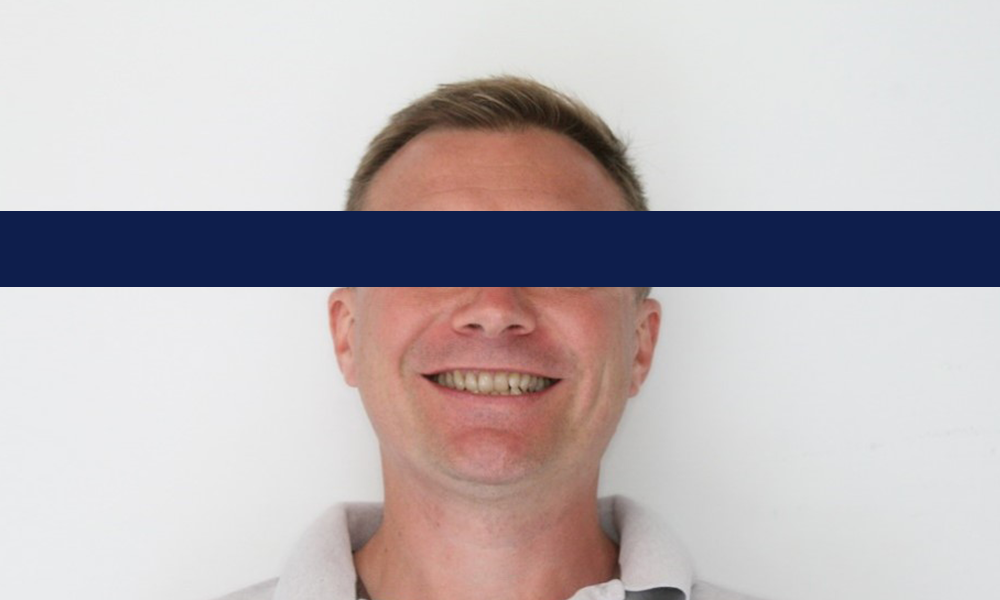
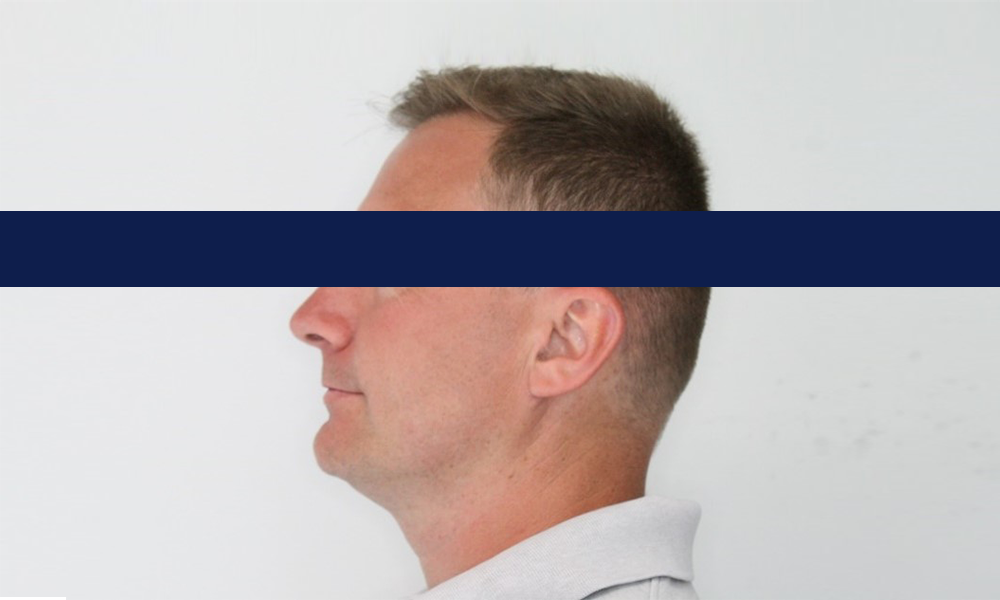
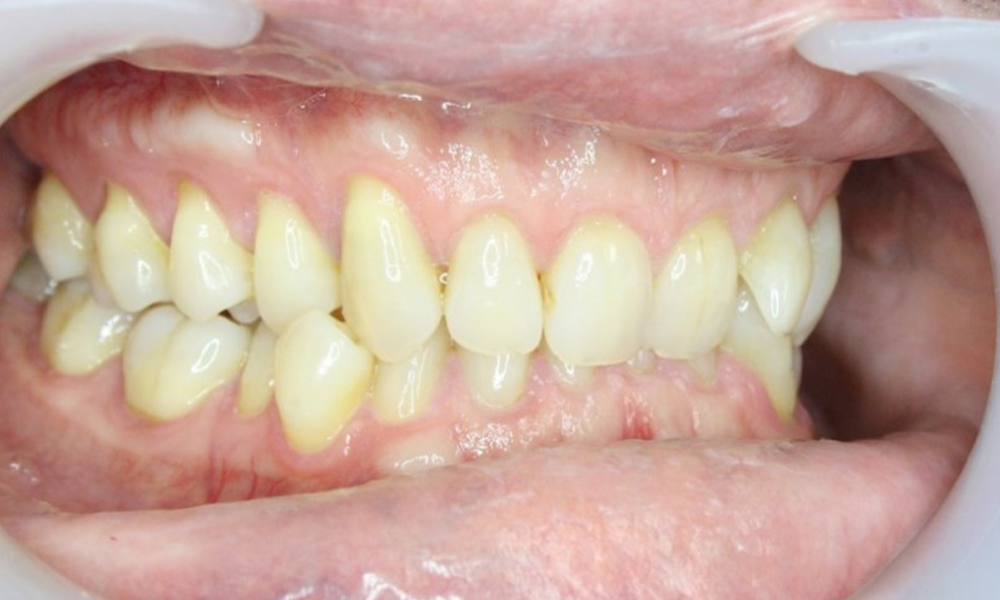
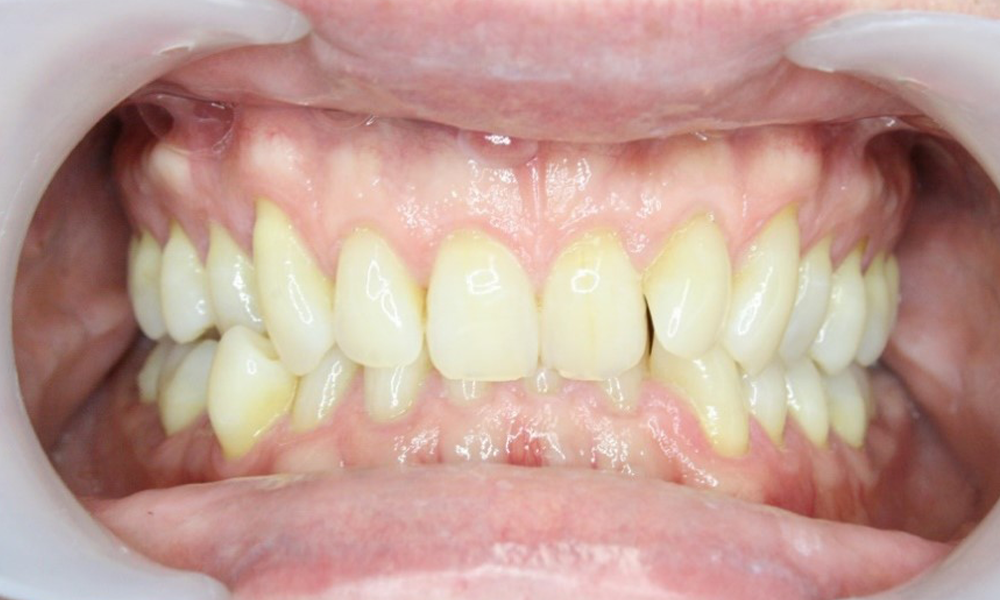
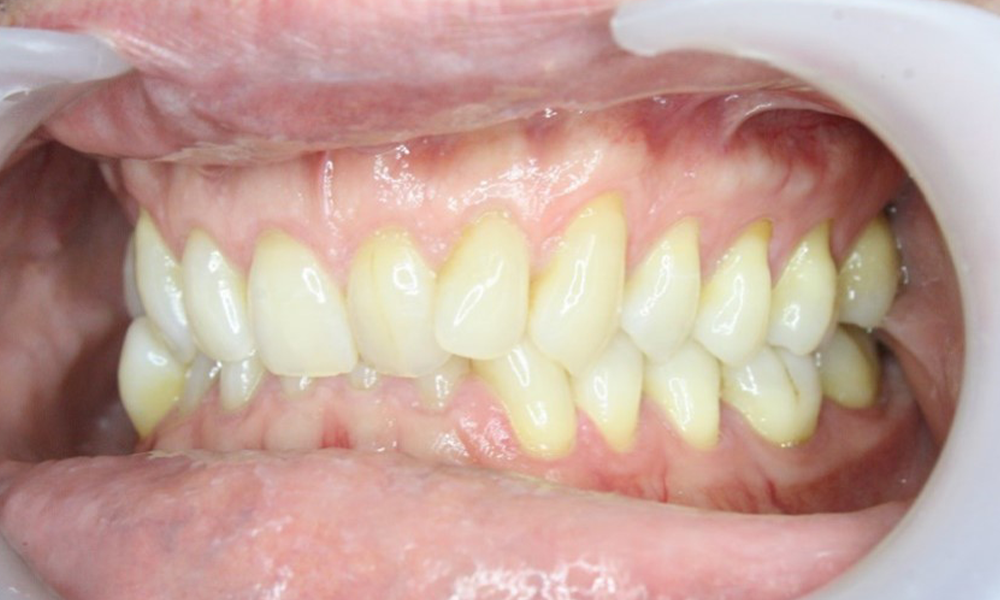
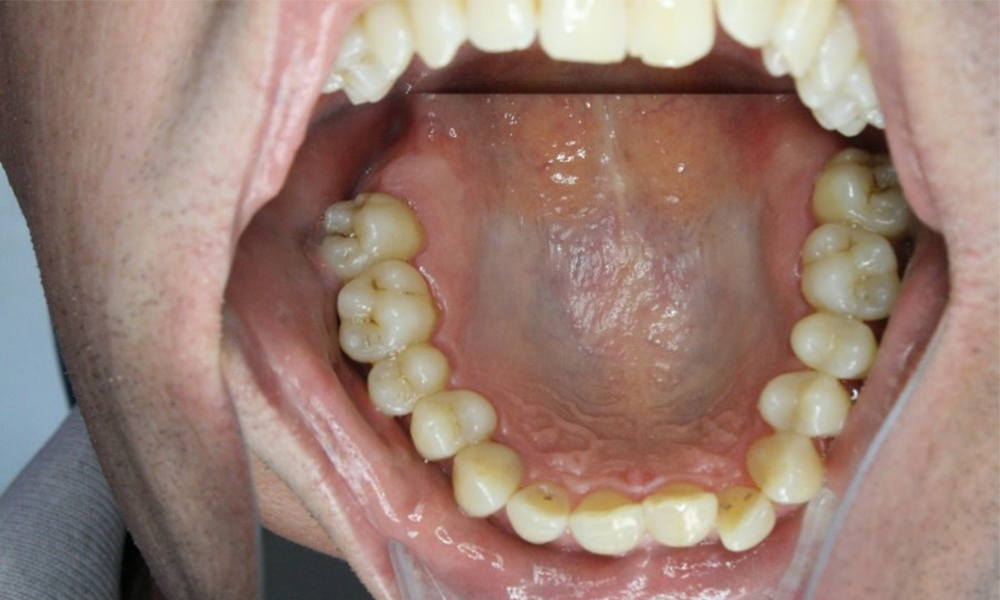
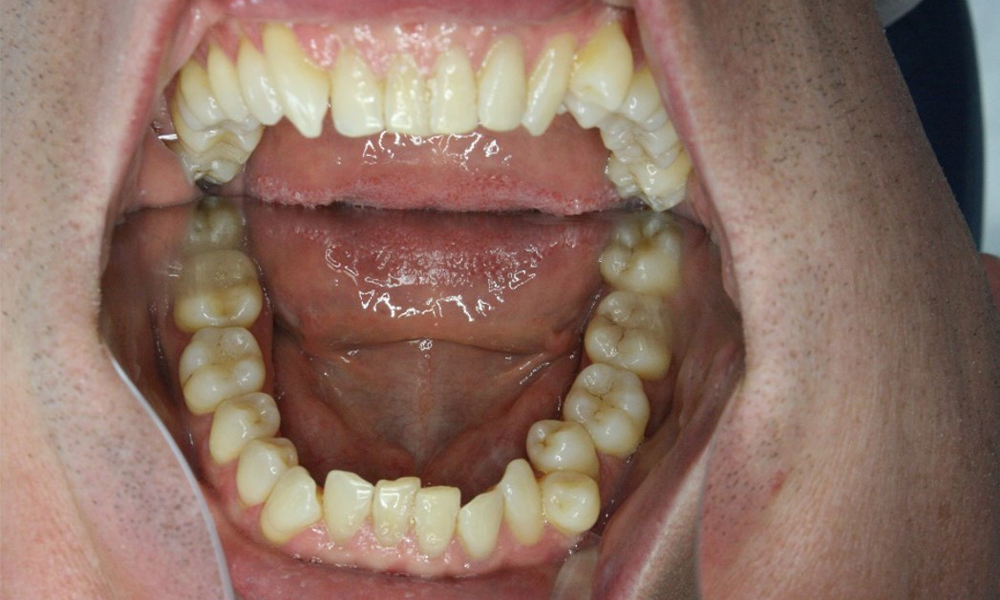
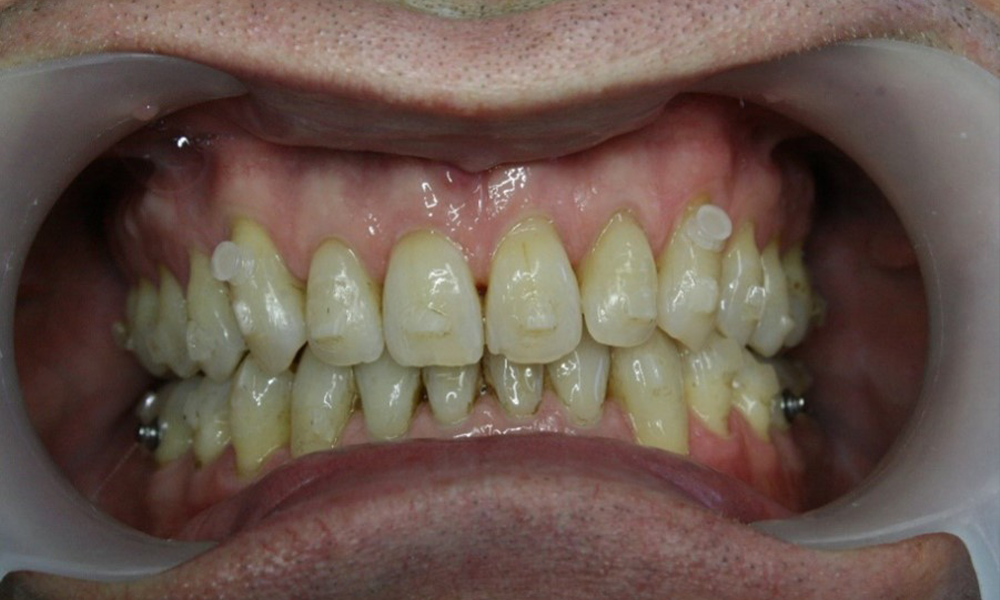
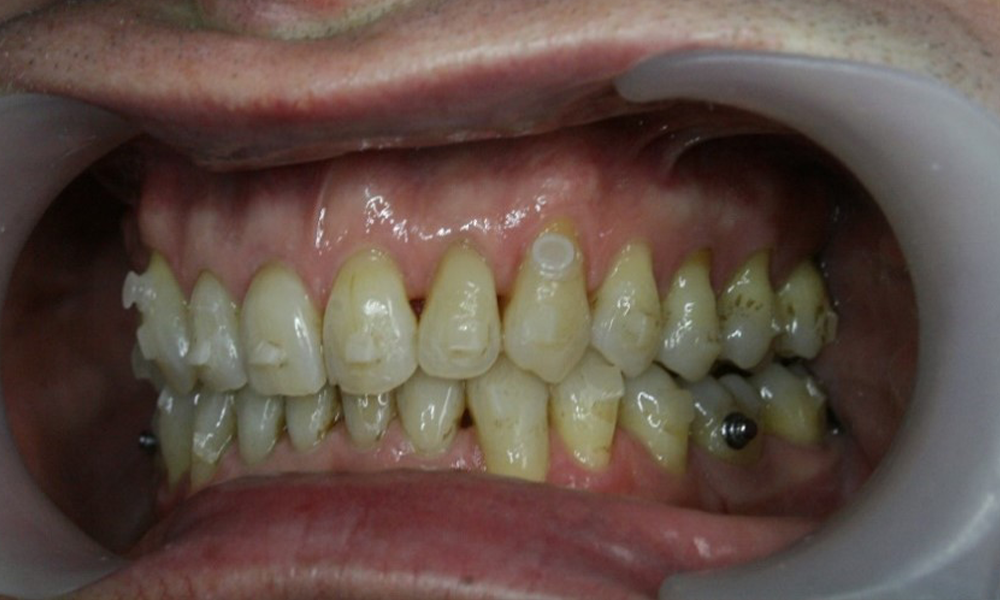
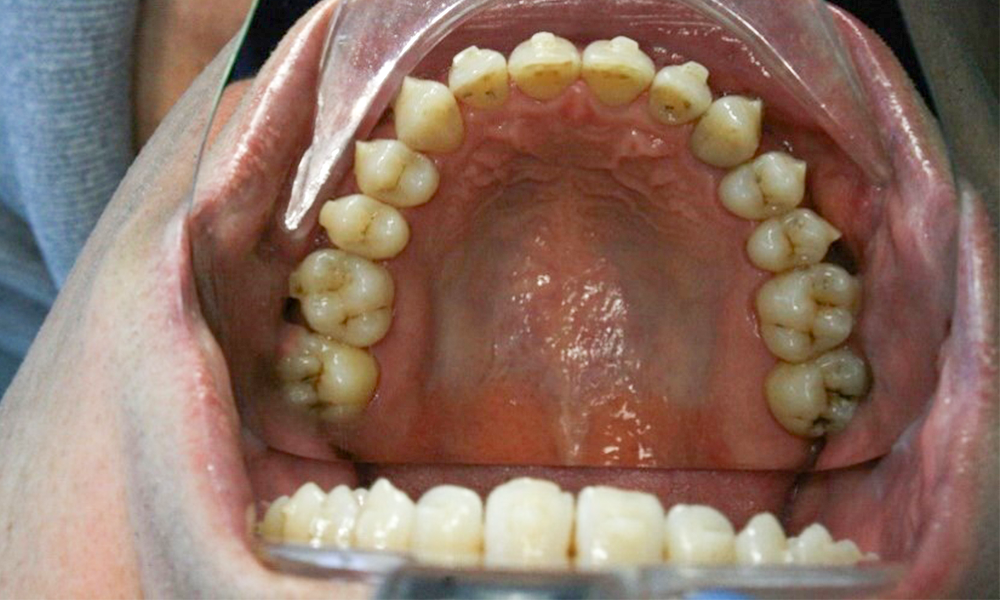
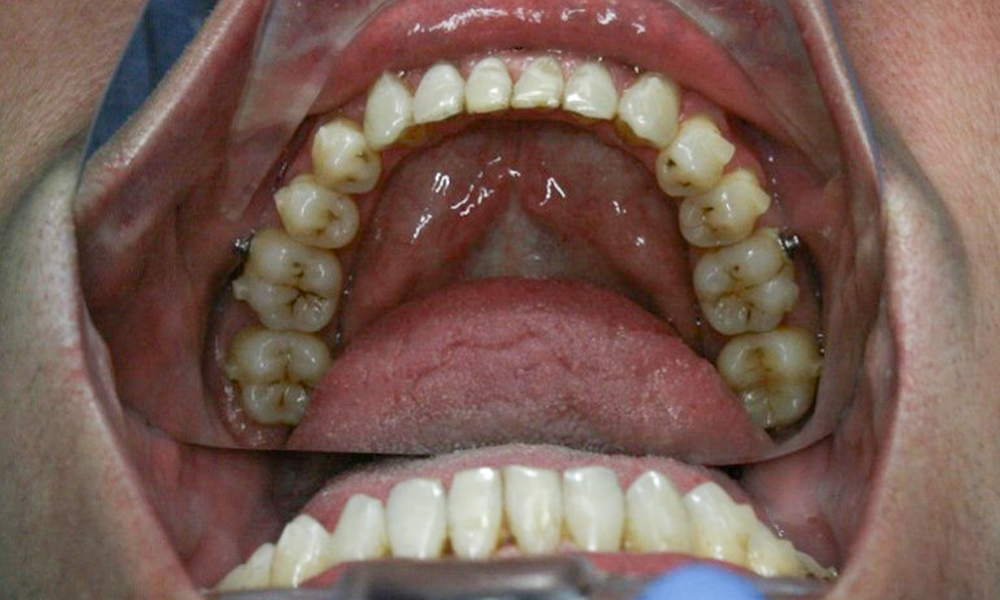
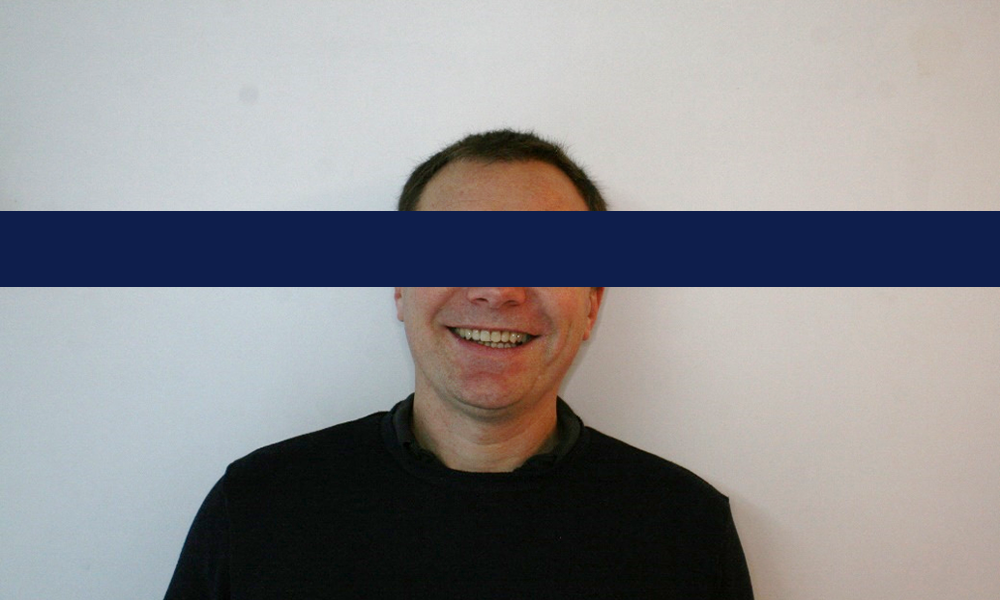
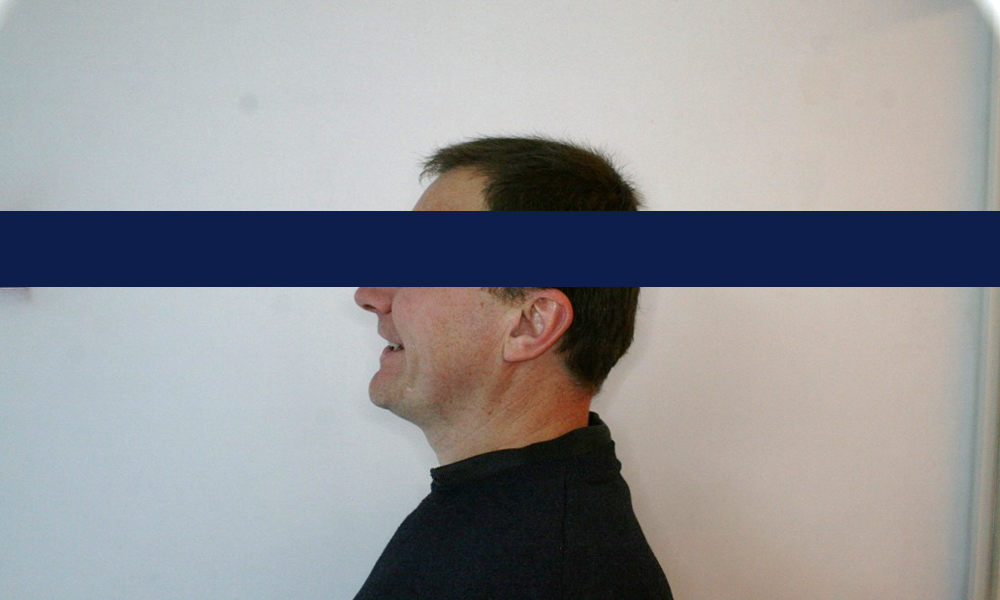
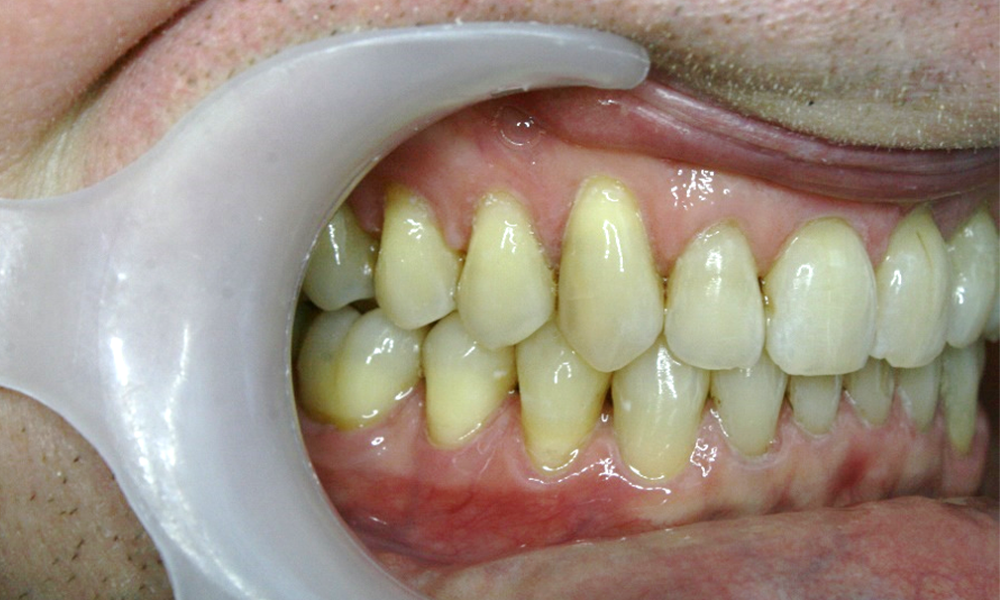
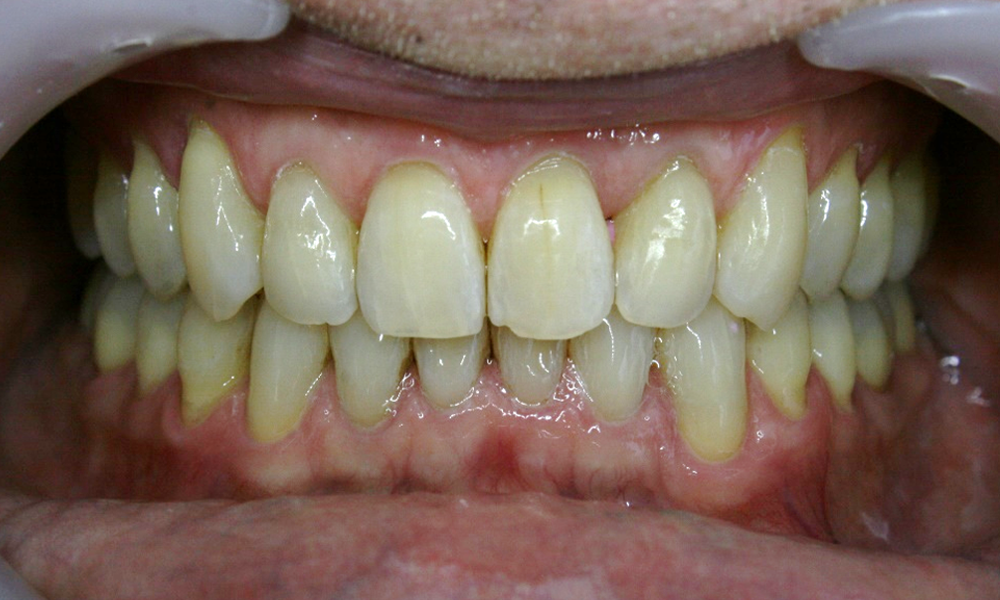
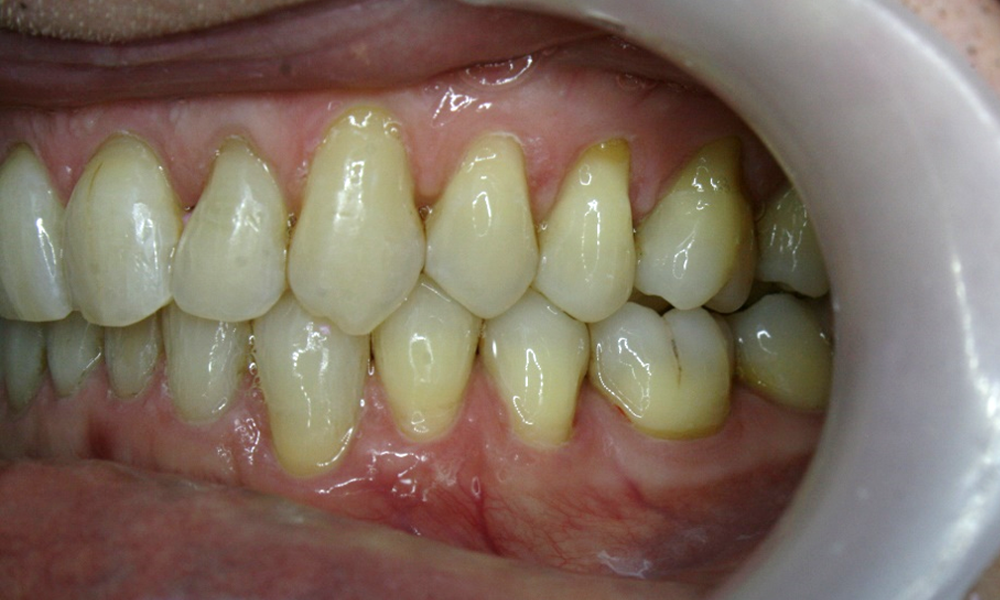
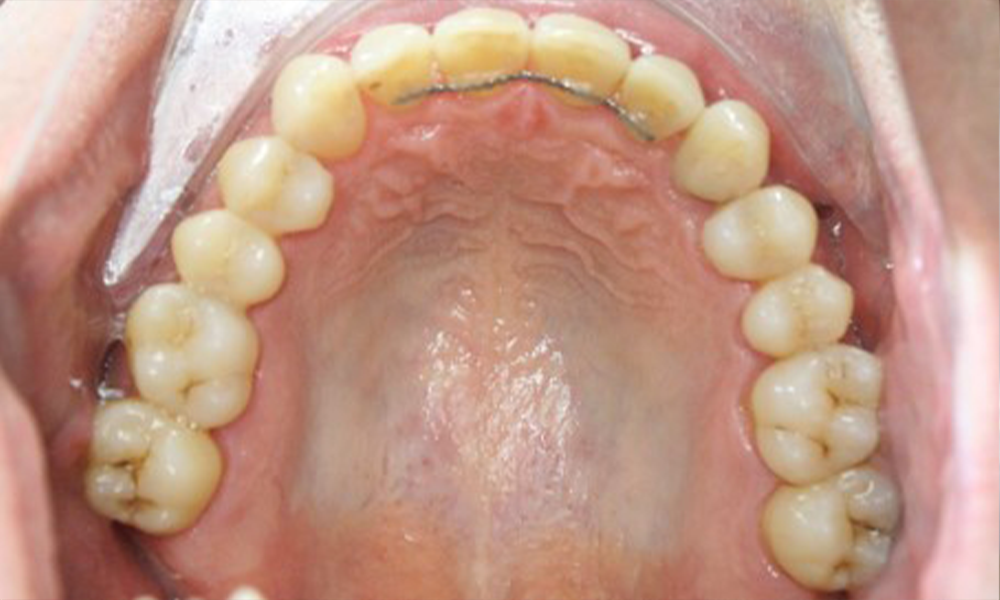
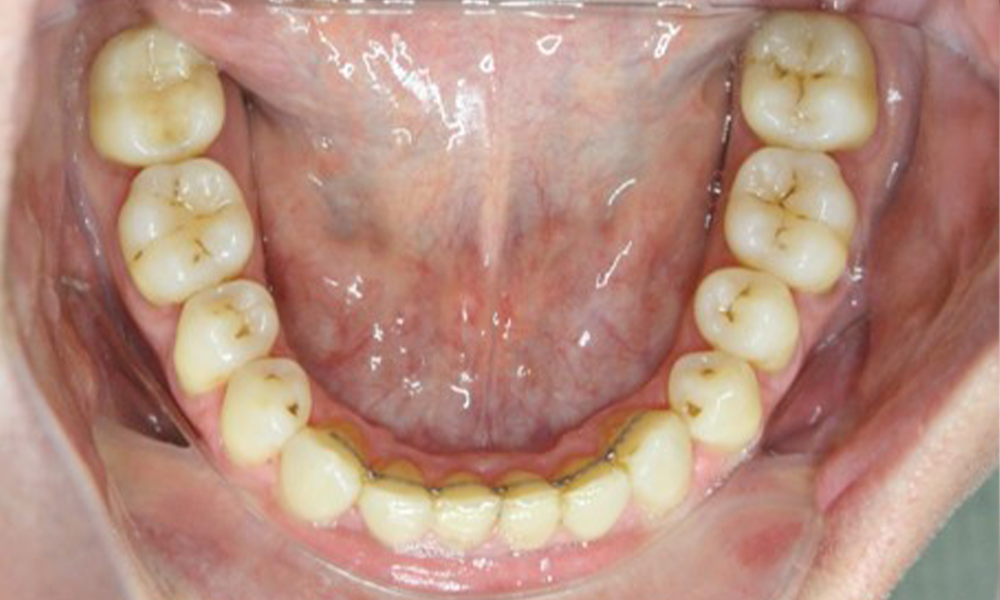
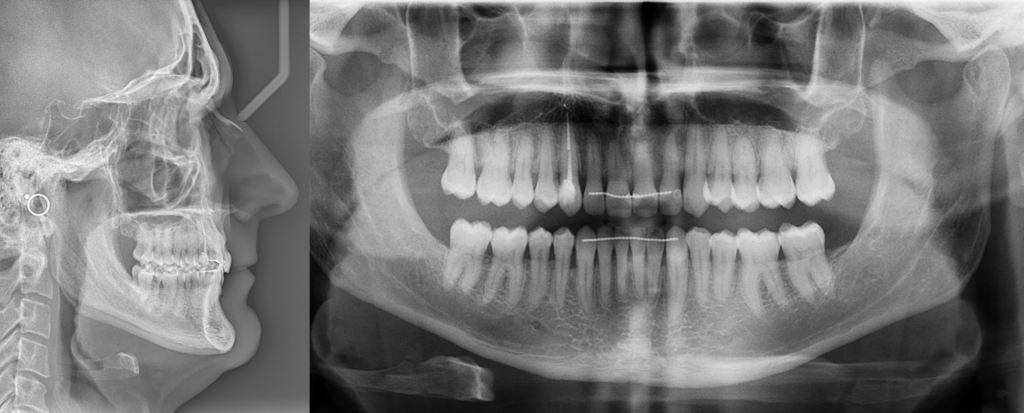
This case report describes the orthodontic management of a 48 year old adult treated with Spark Aligners. The primary objective was to correct a severe deep bite associated with a mild bilateral dental Class II, retroclination of both maxillary and mandibular incisors, and an ectopically positioned tooth 44 causing a deviation of the mandibular midline.
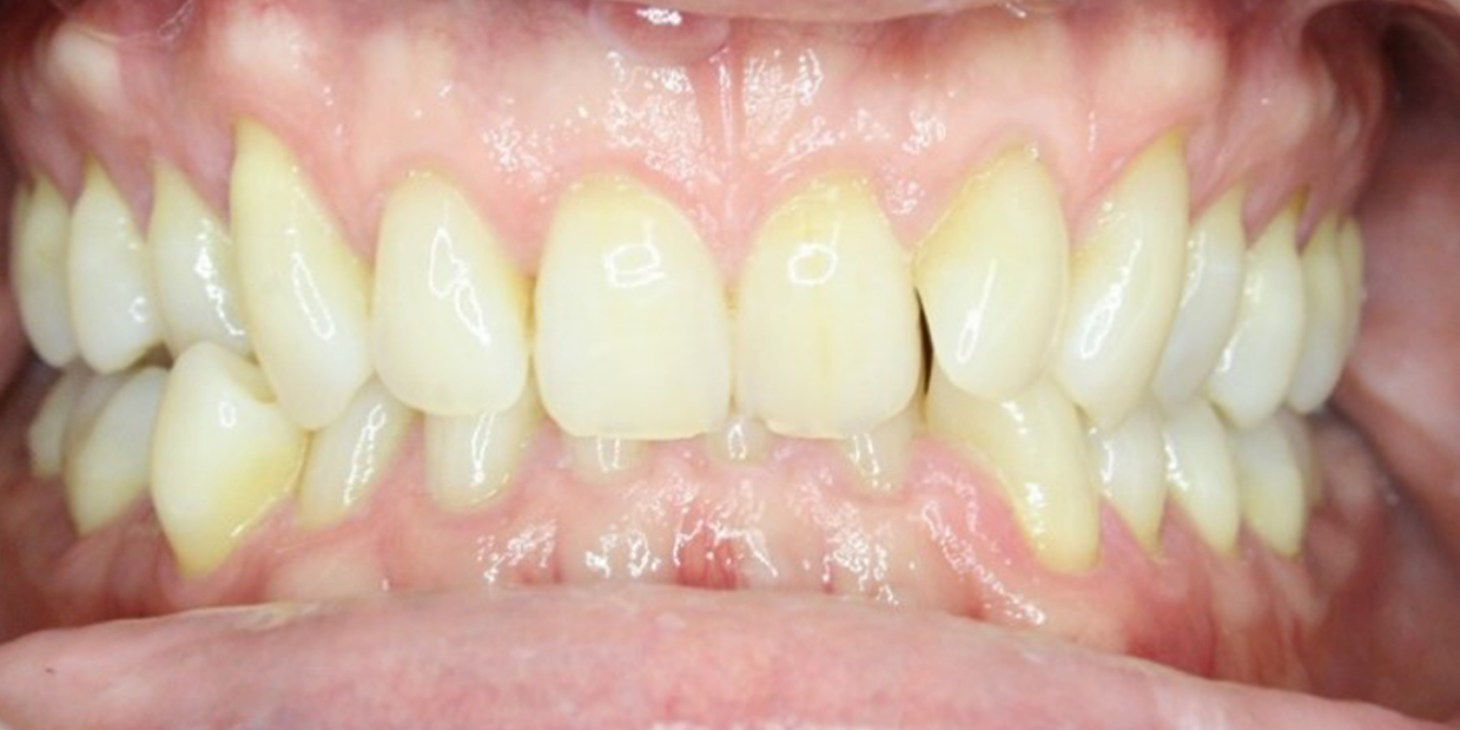
BEFORE
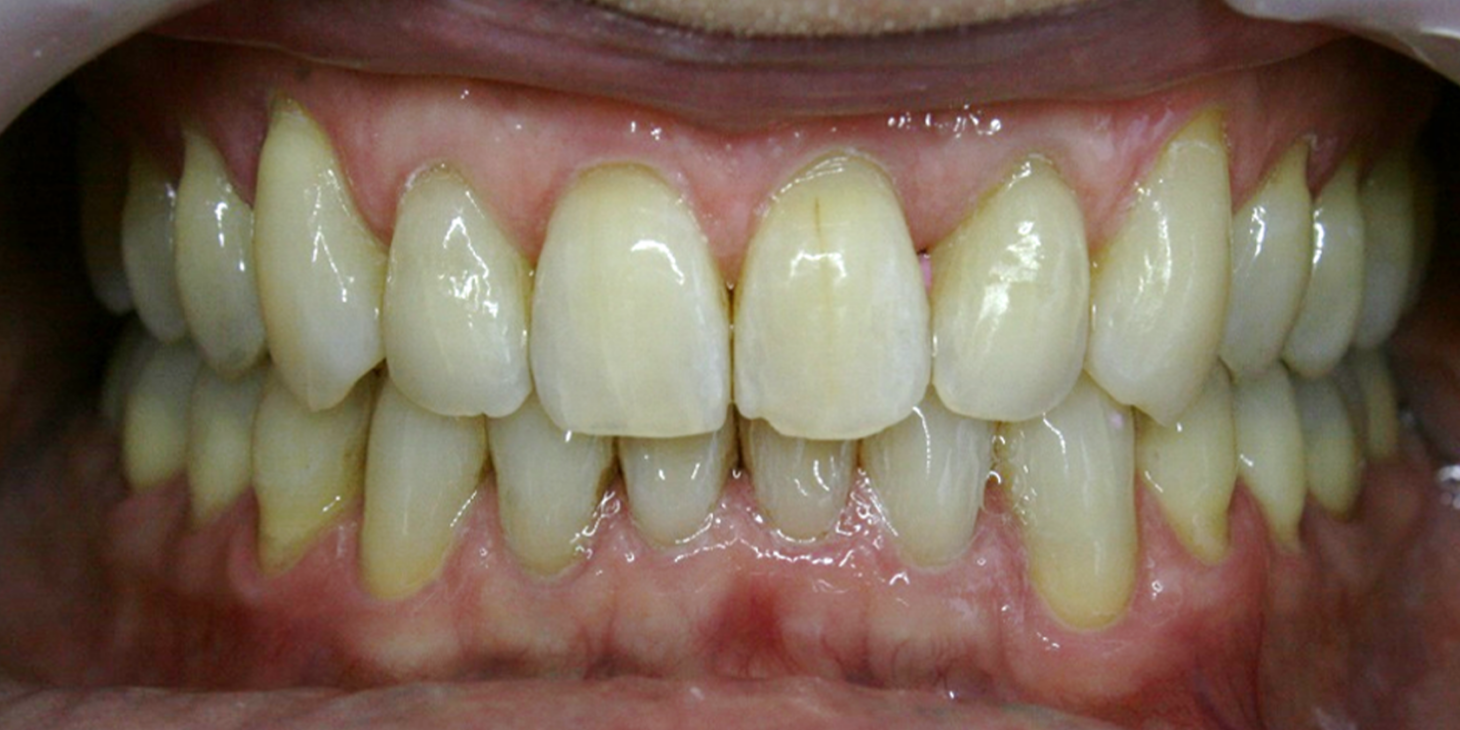
AFTER

Ready to elevate your practice?

Dr. Stéphanie Delbauve*, 

Dr. Stéphanie Delbauve graduated in dentistry in 2001 from the faculty of Medicine UCL (Catholic University of Louvain, Belgium). She completed her postgraduate degree in Orthodontics and dentofacial orthopedics at the same university from 2001 to 2005 and in 2009, she established her own private practice in Namur where she has treated numerous complex cases with Spark™ Clear Aligners. Dr. Delbauve combines scientific rigor with practical experience to deliver evidence-based protocols and real-world insights.

Initial case description

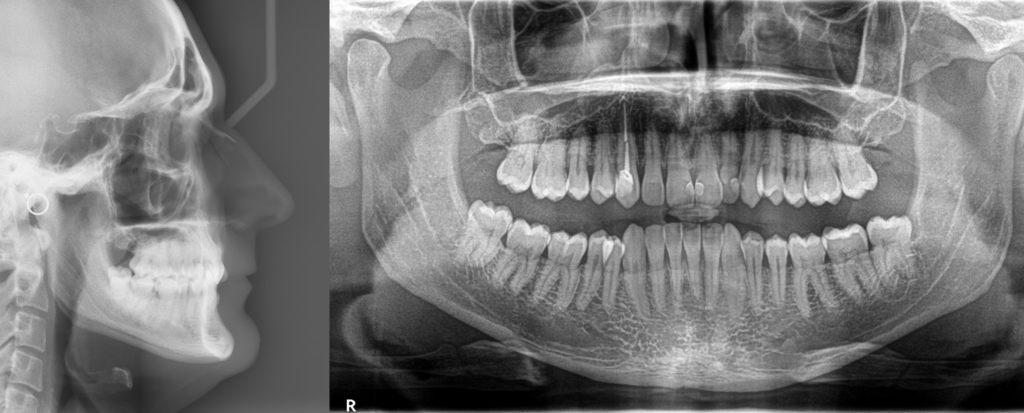
Skeletal analysis: The skeletal assessment revealed a skeletal Class I pattern, a normodivergent facial profile, and a well developed chin symphysis, consistent with bimaxillary protrusion.

Incisor axes: Pronounced palatal inclination of the maxillary central incisors and retroclination of the mandibular incisors were observed, with no overjet present.

Malocclusion
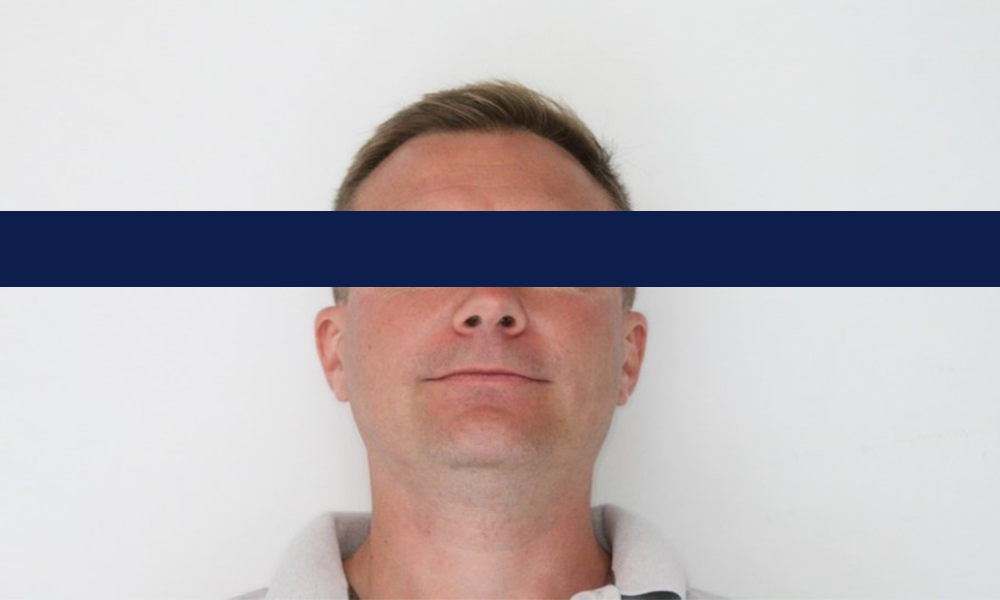
  • Mild bilateral dental Class II.
  • Severe deep bite of 7 mm, with palatal gingival trauma and mandibular incisor attrition.
  • Ectopic mandibular right first premolar (tooth 44) causing a 2 mm deviation of the lower interincisal midline to the right (the upper midline remained centered on the face).
  • Crossbite between teeth 14 and 44.
  • Pronounced mandibular Curve of Spee.

Therapeutic objectives

  • Correction of the deep bite by achieving anterior disocclusion and incisor intrusion.
  • Uprighting the maxillary and mandibular incisor axes.
  • Correction of the mild bilateral dental Class II through maxillary distalization.
  • Resolution of the severe mandibular crowding and creation of space to realign the ectopic tooth 44 through lower arch distalization.
  • Correction of the 14/44 crossbite and recentering of the mandibular midline by 2 mm.
  • Leveling the pronounced mandibular Curve of Spee to achieve stable posterior occlusal contacts without anterior interferences.

Spark Approver planning

Primary phase

Material: TruGEN™

Number of aligners: 41 for both the maxillary and mandibular arches.

Maxillary arch

  • Mild arch expansion.
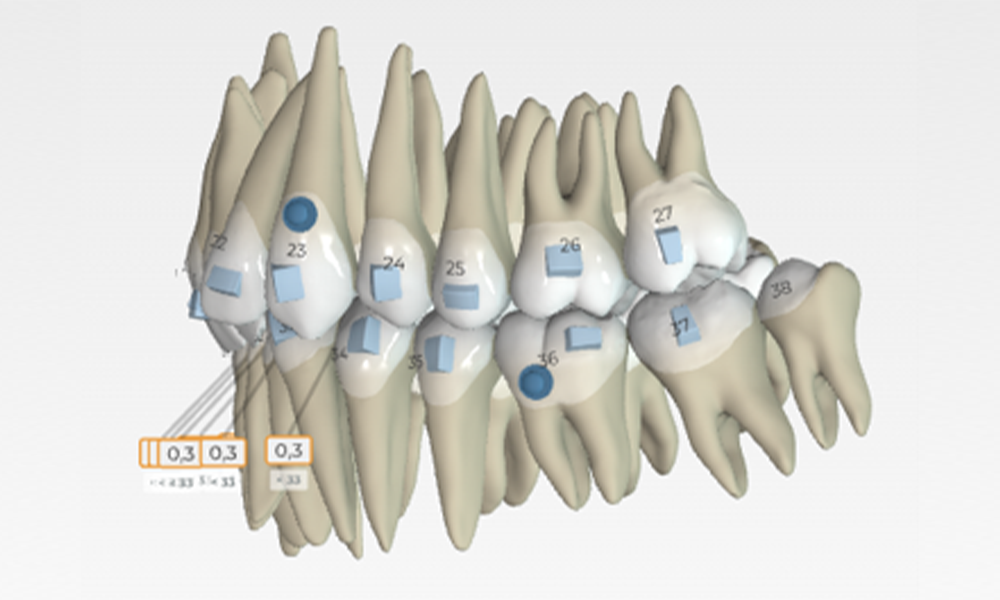
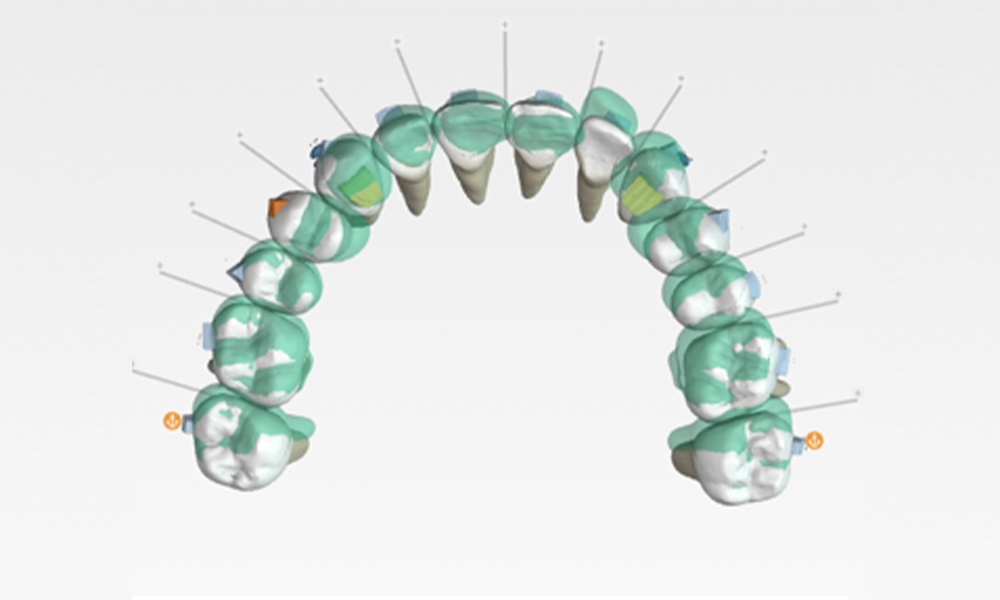
  • Derotation and mesial out movement of the first molars; toe in of the second molars; sequential distalization with 50% protocol (1.5 mm on the right, 2.2 mm on the left).
  • Controlled proclination performed simultaneously with distalization, gingival bevel attachments on the incisors for torque control, incisor intrusion combined with 10° of palatal root torque (PRT) during retraction (Favorable buccal bone anatomy allowed controlled labial movement to optimize intrusion and anterior disocclusion).
  • Intentionally limited maxillary intrusion to preserve smile esthetics, as the maxillary incisor position was already adequate, with anticipation of age-related smile line lowering.
  • First bite ramps were placed only on canines to achieve posterior disocclusion. (No initial palatal bite ramps on the maxillary incisors due to their severe palatal inclination) then once torque correction is achieved bite ramps were placed on incisors.

Intermaxillary elastics (Class II, Ormco Kangaroo)

Given the simultaneous maxillary and mandibular distalization, a sequenced elastic protocol was implemented:
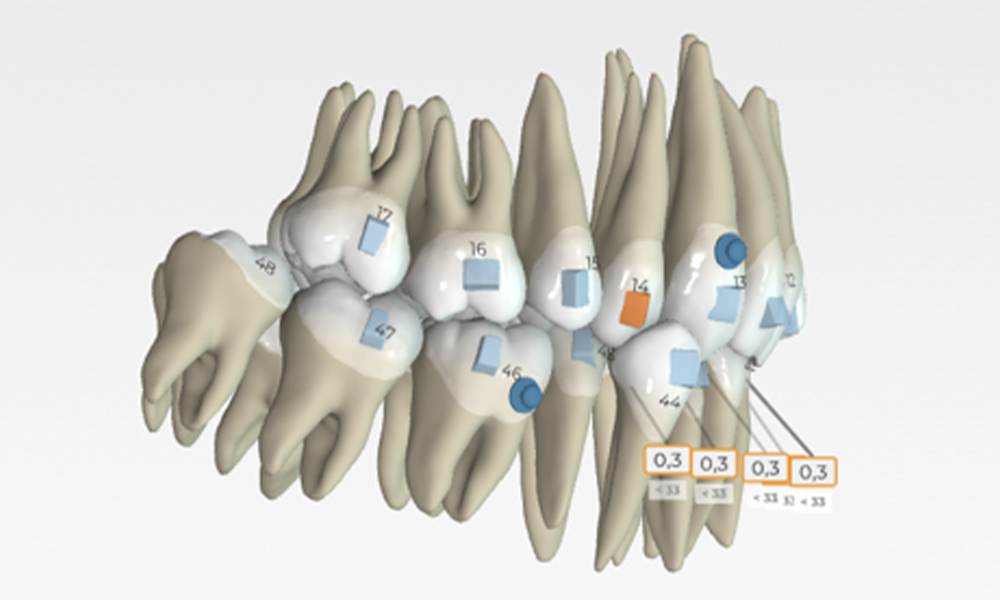
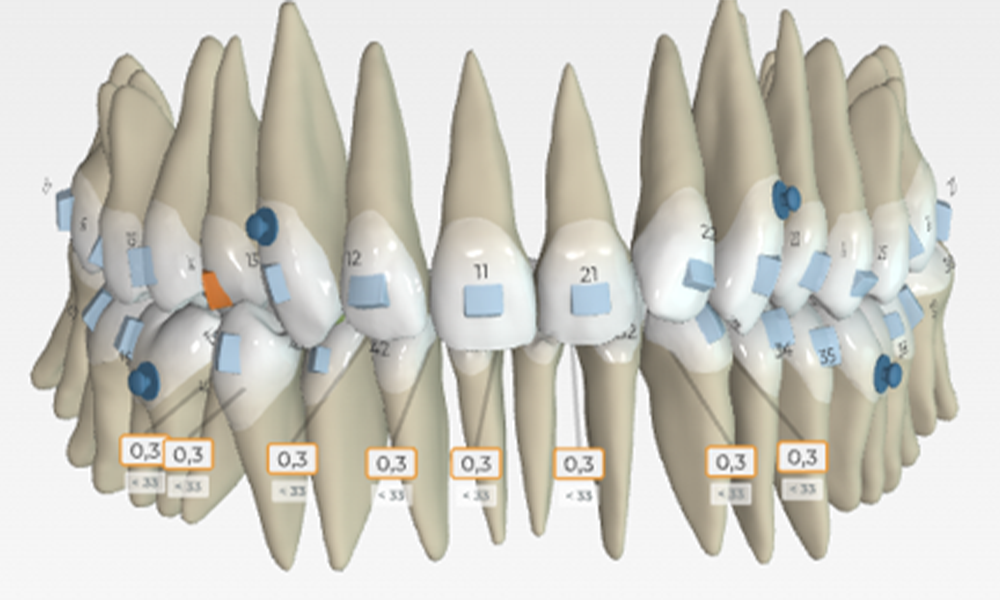
  • No elastics at the start to facilitate anterior disocclusion.
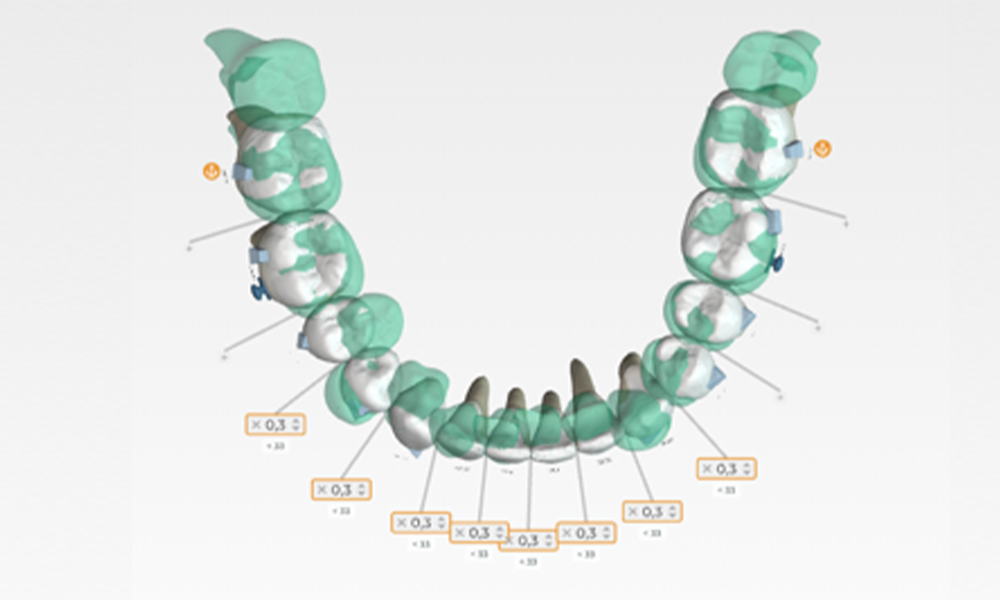
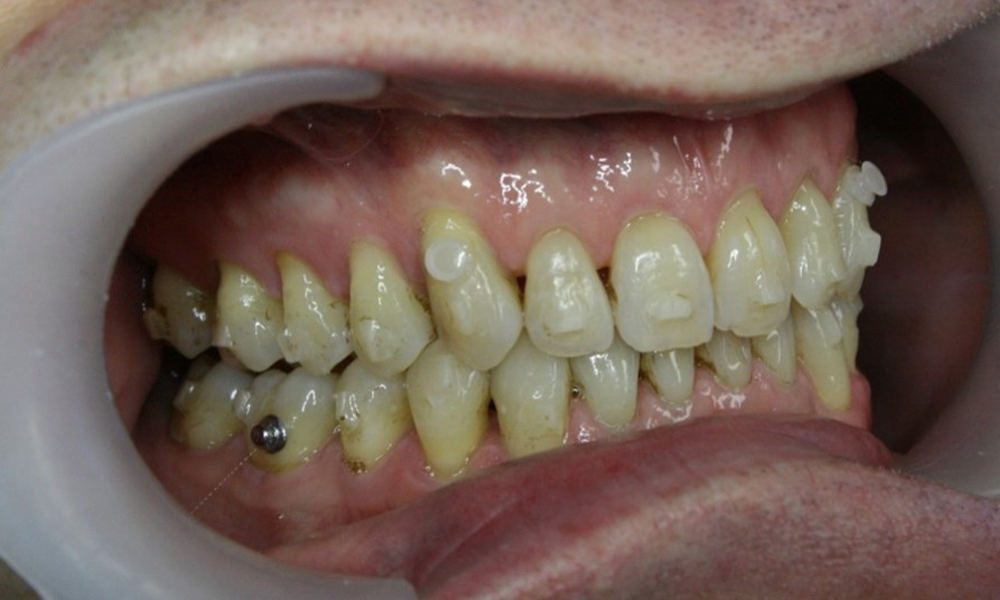
  • Buttons placed on teeth 13 and 23 (due to their palatal inclination) and on the mandibular first molars.
  • Night‑time Class II elastics initiated at aligner 6.
  • Full‑time Class II elastics (day and night) from aligner 12 (corresponding to the distalization of tooth 15) through aligner 22.
  • Class II elastics worn 14 hours per day from aligner 22 to aligner 27.
  • Return to night‑time Class II elastics from aligner 27 to aligner 41.
  • The use of elastics was stopped to prevent the development of anterior premature contacts.

Results after the primary phase

  • Deep bite: significant reduction from 7 mm to 4.5 mm, resolution of palatal gingival trauma, stabilization of mandibular incisor attrition.
  • Incisor axes: improved maxillary anterior torque and correction of mandibular lingual inclination; enhanced overbite and overjet relationships.
  • Transverse and occlusal relationships: correction of the 14/44 crossbite.
  • Midline correction: Correction of the 2 mm mandibular midline deviation, leaving a minimal 0.5 mm residual shift to the right.
  • Tooth 44 fully aligned within the arch and presenting functional occlusal contacts.
  • Curve of Spee: successfully leveled.
  • Dental Class II: bilateral correction achieved and stabilized with elastics.

Refinement

  • Material: TruGEN™
  • Number of aligners: 24 active aligners for the maxillary arch and 10 for the mandibular arch.
  • Improvement of the teeth alignment: distal out on tooth 13.
  • Correction of residual deep bite and uncontrolled tipping of both maxillary and mandibular incisors.
  • Establishment of stable posterior contacts ensuring strong posterior intercuspation with no anterior contacts.

Discussion

  • Disocclusion strategy: The combination of canine bite ramps and controlled maxillary labial inclination enabled effective posterior disocclusion, facilitating deep bite correction without excessive maxillary incisor intrusion preserving smile esthetics.
  • Double distalization: Sequential maxillary and mandibular distalization allowed successful alignment of the severely ectopic tooth 44 without premolar extractions, which could have further accentuated an already concave facial profile. In fixed‑appliance therapy, such dual arch distalization would typically require skeletal anchorage (e.g., Bollard plates) in both arches.
  • Elastic timing: In the context of double distalization, the timing of Class II elastics is critical to avoid compromising mandibular distal movement. In this case, their slightly early introduction around aligner 11/12 was subsequently adjusted to maintain the efficiency of posterior retraction.
  • Management of tooth 44: Early space creation followed by delayed alignment (initiated at stage 16) contributed to the predictability of repositioning this ectopic tooth.
  • Incisor axis control: The use of gingival bevel attachments combined with palatal root torque allowed effective control of maxillary incisor torque.
  • Torque overcorrection considerations: A greater degree of programmed torque overcorrection of both maxillary and mandibular incisors in the initial setup might have enhanced deep bite correction by the end of the primary phase.
  • Clinical comfort and efficiency: The aligner-based approach reduced discomfort associated with bulky disocclusion pads and allowed smoother progression while maintaining precise biomechanical control in all three spatial planes.

Conclusion

This case illustrates the effectiveness of Spark Clear Aligners in correcting a severe deep bite associated with a mild dental Class II relationship, an ectopic tooth 44, and a midline discrepancy. Digital planning and advanced biomechanical options such as controlled labial inclination, bimaxillary sequential distalization, dedicated attachment design, and precise elastic management enabled the achievement of a stable posterior occlusion with the absence of anterior contacts, midline correction, and improved smile esthetics.

Beyond the inherent comfort and esthetic advantages of aligners compared with fixed appliances, this case highlights several decisive technical benefits for managing complex malocclusions:

  • Ability to perform double arch distalization without skeletal anchorage or premolar extractions, thereby preserving the patient’s facial profile.
  • Progressive and controlled disocclusion that reduces the need for bulky occlusal build‑ups.
  • Precise sequencing of tooth movements and elastic wear to maximize efficiency while minimizing unwanted side effects.

Are you ready to elevate your practice?

* The opinions of Dr. Stéphanie Delbauve are her own. Ormco is a medical device manufacturer and does not dispense medical advice. Clinicians should use their own professional judgment in treating their patients.

MKT-26-1043

Learn more from related cases

Get in contact with us