














CASE REPORT
CASE REPORT
A smile-driven biomechanical approach based on occlusal plane control and torque management with passive self-ligation.
“Every great orthodontic journey begins with a different question.”
For many adult Class III patients, the words “You need jaw surgery” mark the end of one orthodontic journey. For some carefully selected patients, however, they may also mark the beginning of a different one.
The patient presented in this report had already completed three years of orthodontic treatment with a conventional fixed appliance before being referred for orthognathic surgery. During our first consultation, he asked one simple question:”Is there any chance I can avoid surgery?”
That single question became the starting point of a completely different treatment philosophy, one driven not by cephalometric values alone, but by facial analysis, smile design, occlusal plane control and carefully planned biomechanics.
The objective was never simply to correct a Class III malocclusion. The objective was to create a balanced face, a functional occlusion and, above all, an exceptional smile.
Dr. Peter Csiki, DMD, MSc Ortho, Honorary Associate Professor, is an orthodontist practicing in Budapest – Hungary, and Milan – Italy. He has dedicated more than three decades to clinical orthodontics and has been a Damon System user since 2004. As a Damon Ultima Key Expert for Ormco and a Dental Monitoring Ambassador, he lectures internationally on passive self-ligation, esthetically driven treatment planning, precision biomechanics and digital orthodontics.
His educational programs emphasize efficient biomechanics, smile arc preservation, facial esthetics, digital workflows, and predictable finishing protocols. In addition to speaking internationally, he teaches undergraduate and postgraduate orthodontics at the University of Szeged and hosts advanced clinical courses for orthodontists at the Csiki Orthodontics Education Center in Budapest.
Dr. Csiki is particularly interested in complex malocclusions, smile esthetics, torque-driven 3D control, interdisciplinary treatment planning, and developing simplified, evidence-based clinical protocols that improve efficiency while delivering stable, esthetic outcomes.

“The face tells the story. The cephalometric analysis confirms it.”
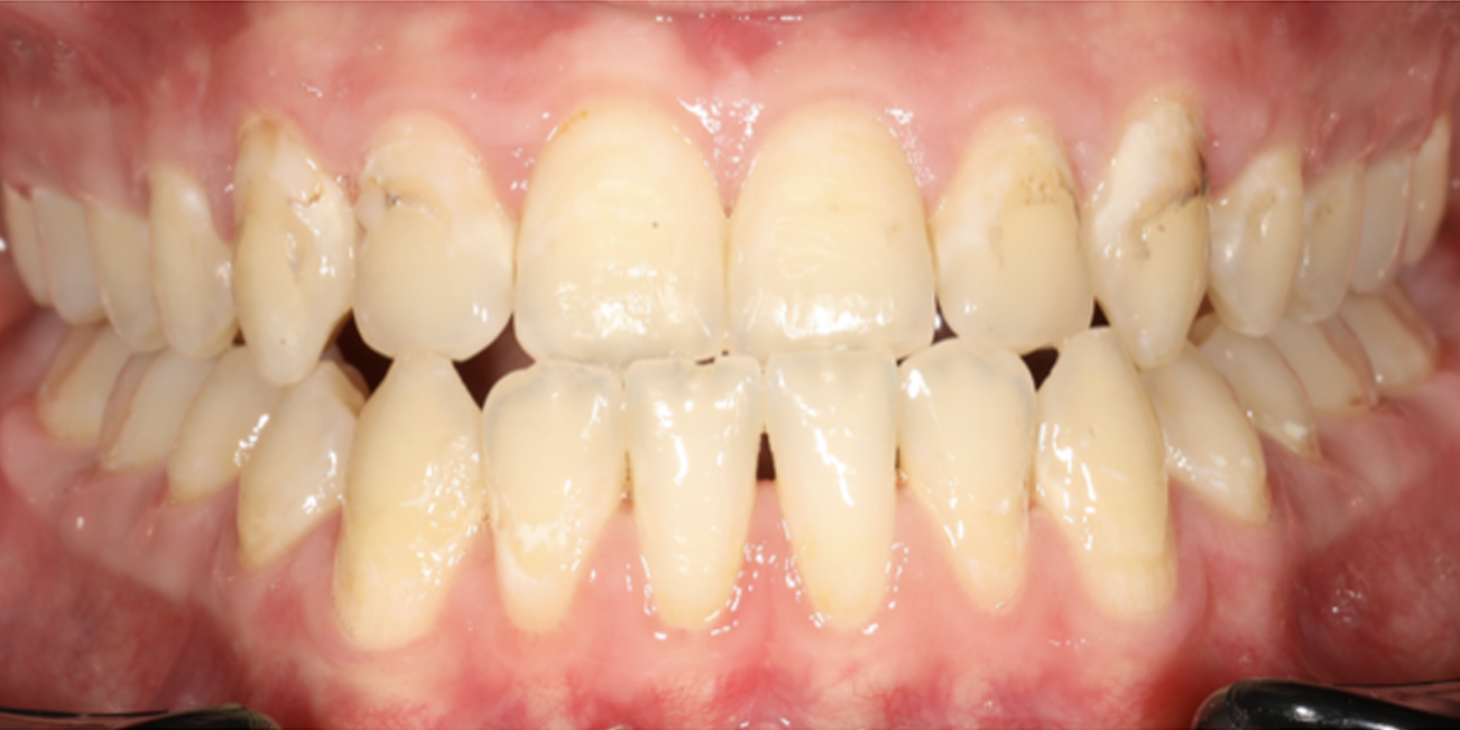
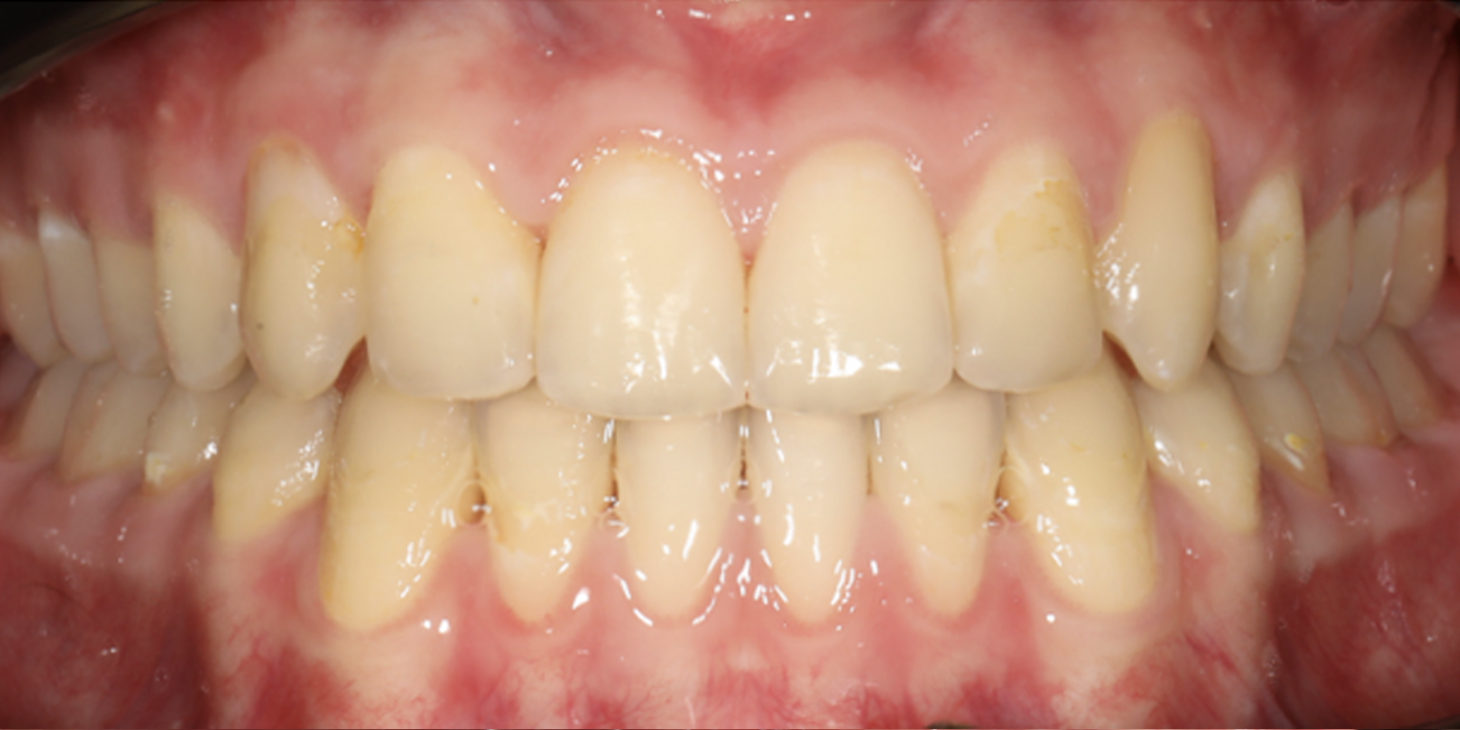
A 19-year-old male presented for a second opinion after approximately three years of orthodontic treatment with a conventional fixed appliance. Despite prolonged treatment, he had been informed that satisfactory correction would require orthognathic surgery. His primary motivation was to explore whether a predictable non-surgical alternative was still possible.
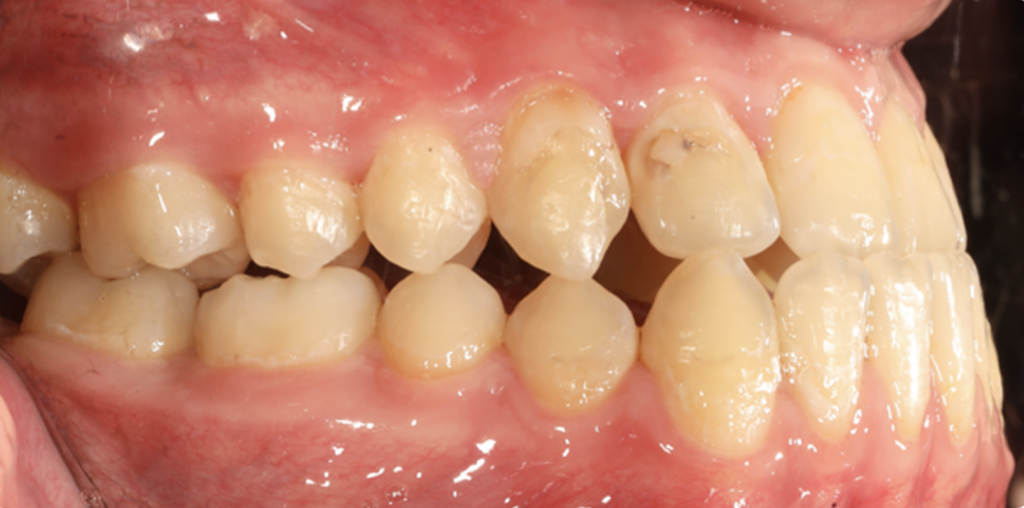
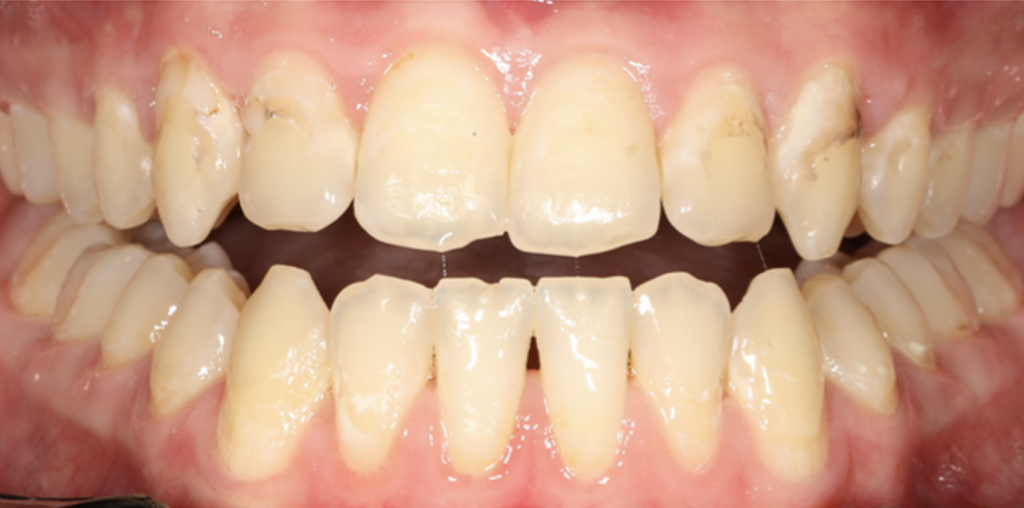
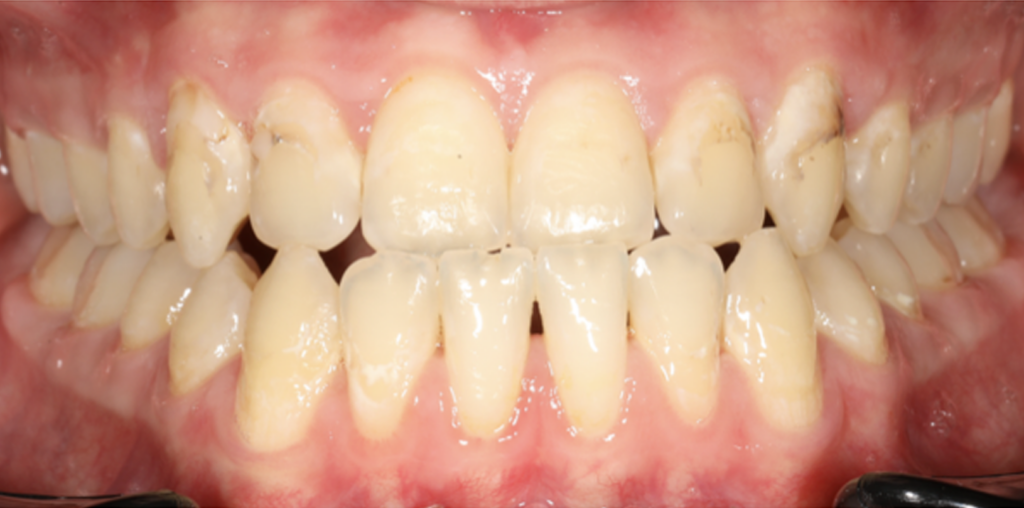
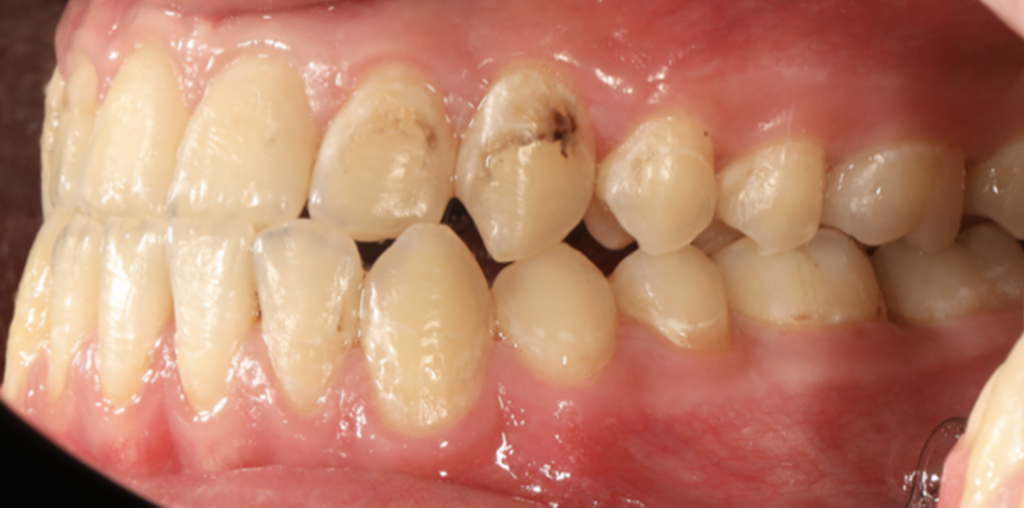
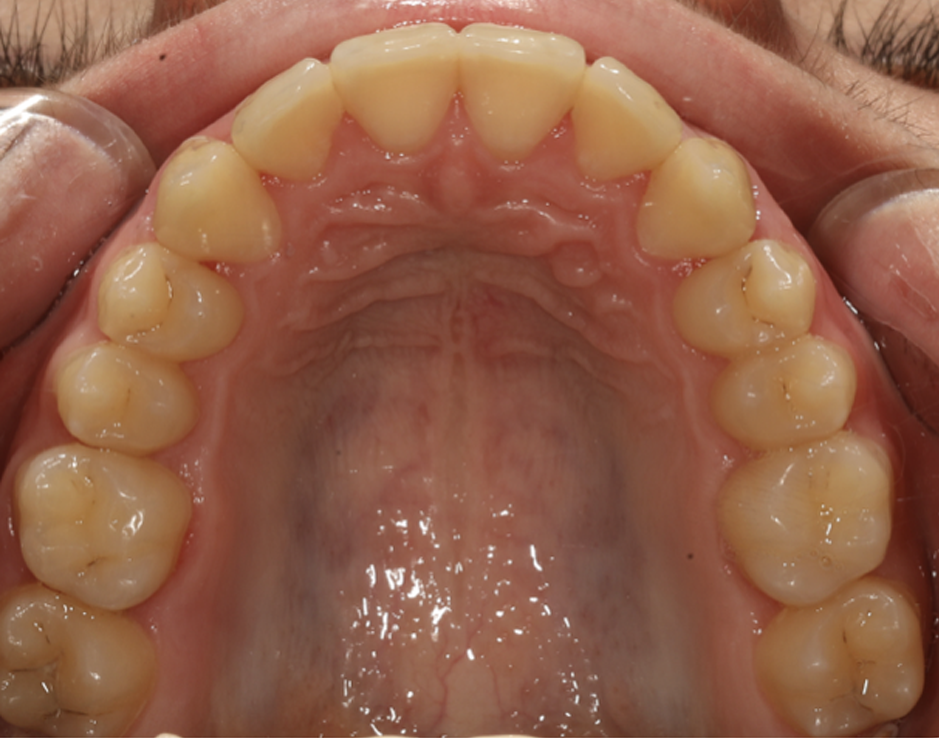
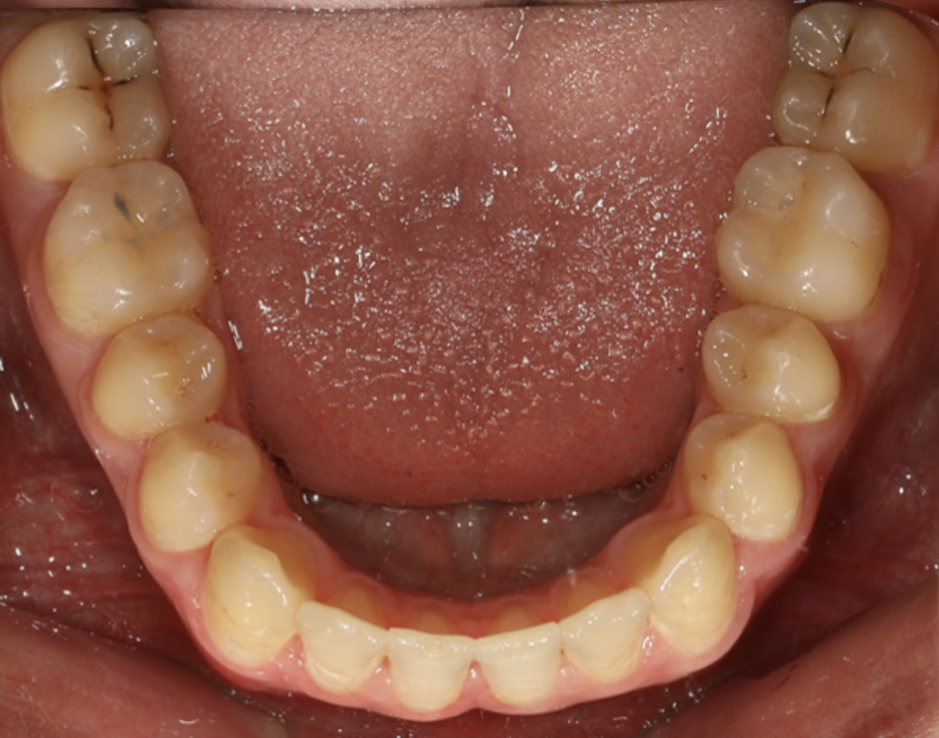
Clinical examination revealed a mild-to-moderate skeletal Class III relationship with a negative overjet, a flat occlusal plane and reduced maxillary incisor display during smiling. Although the skeletal discrepancy was confirmed cephalometrically, the smile analysis proved to be considerably more informative for treatment planning. The patient presented with a flat smile arc, insufficient maxillary incisor display and compromised smile dynamics, all of which became primary treatment considerations.
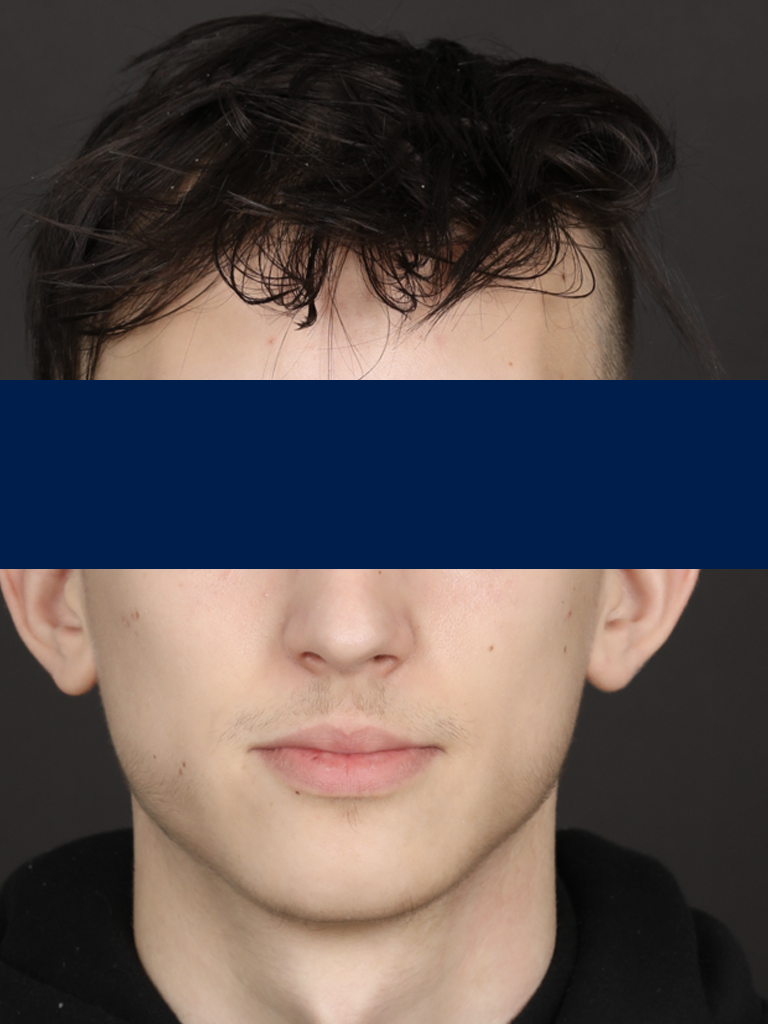
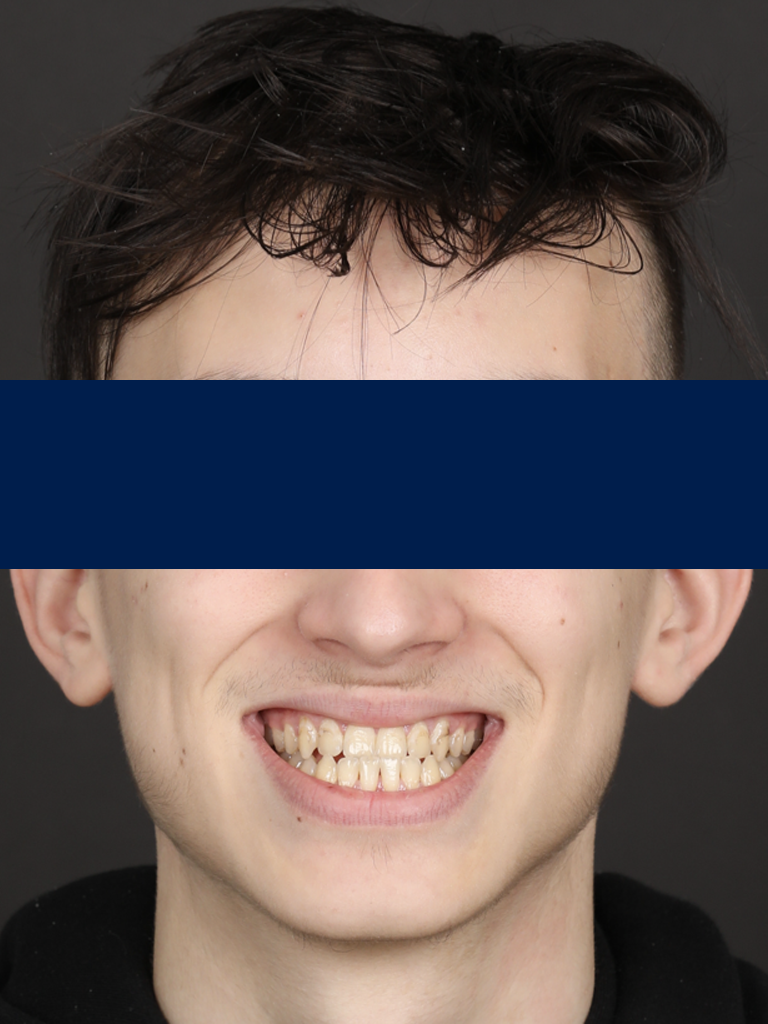
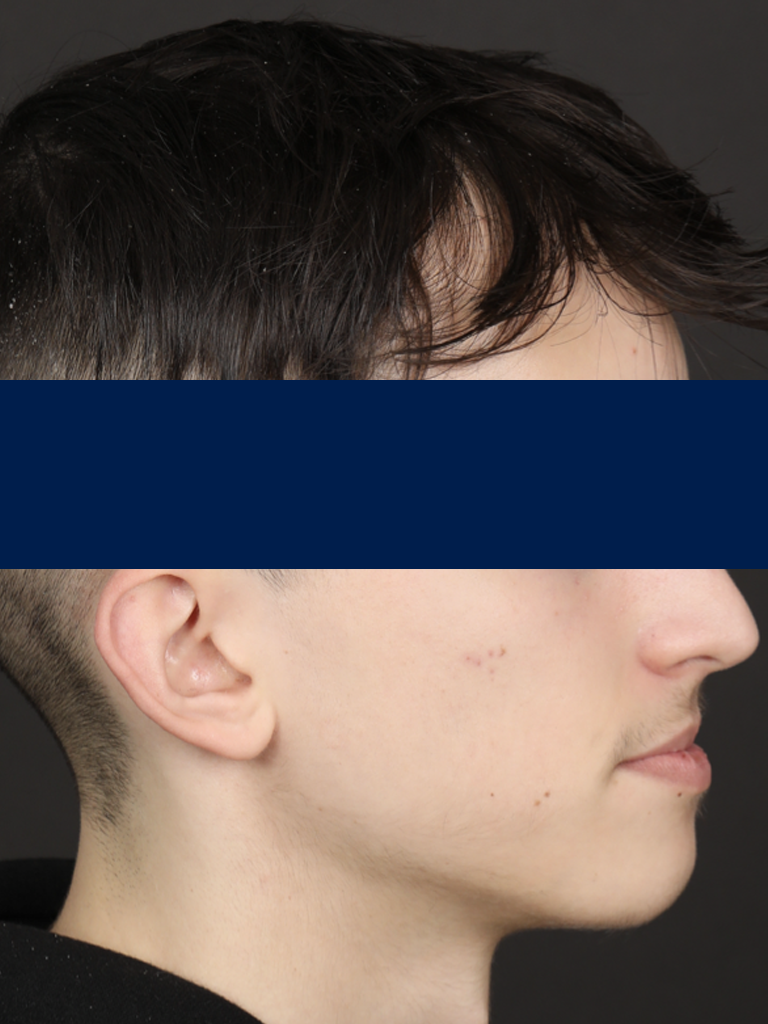
Cephalometric analysis demonstrated a skeletal Class III relationship primarily associated with maxillary retrusion rather than excessive mandibular prognathism. The vertical pattern was essentially normodivergent, providing favorable conditions for a non-surgical camouflage approach. Previous orthodontic treatment had already introduced dentoalveolar compensation; however, both the functional outcome and smile aesthetics remained unsatisfactory.
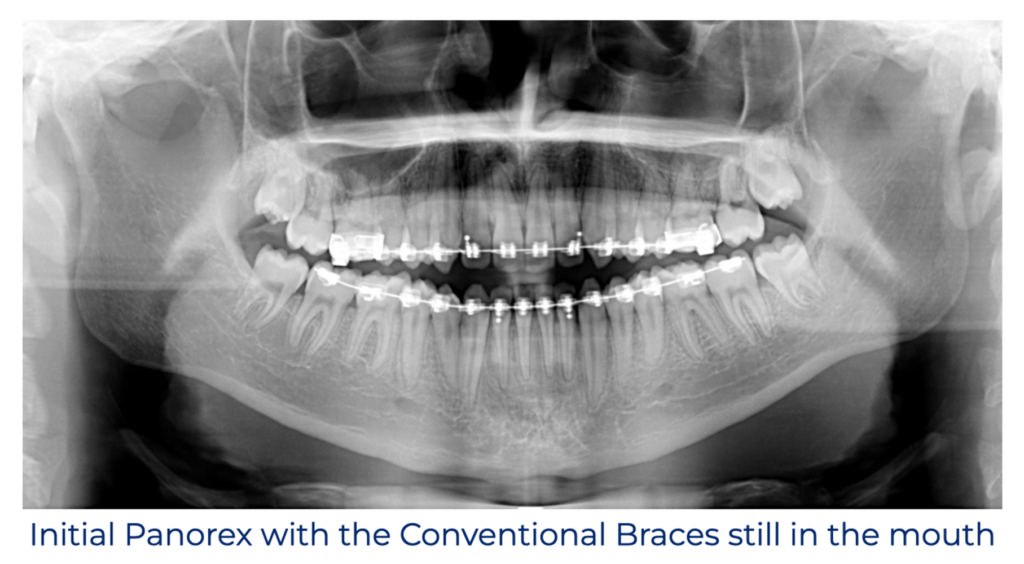
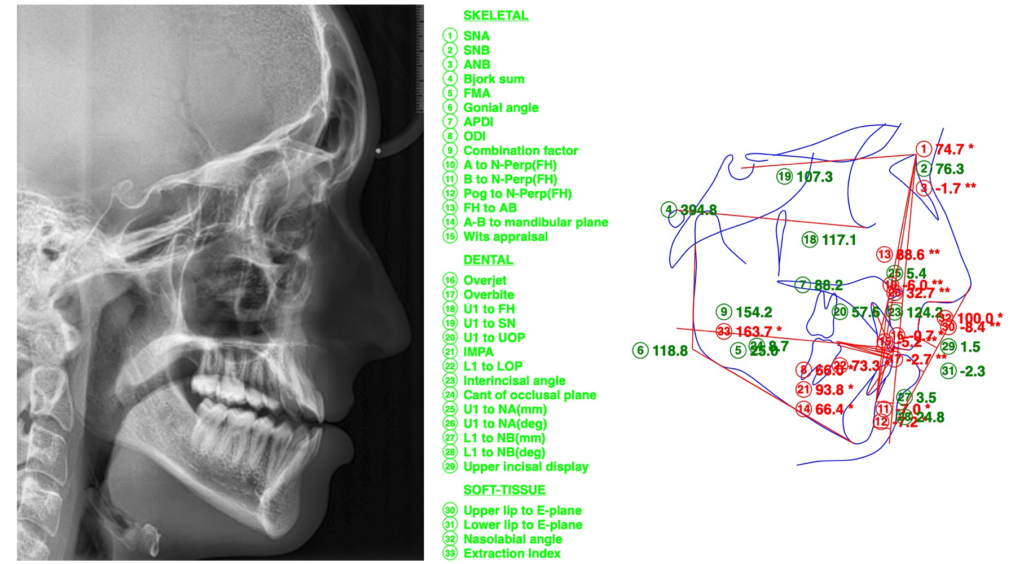
Rather than focusing exclusively on correcting the skeletal discrepancy, our diagnosis aimed to identify which components of the patient’s smile could be predictably improved without surgery. This diagnostic process ultimately guided every subsequent biomechanical decision throughout treatment.
“Start with the smile and work backwards to the biomechanics.”
Treatment planning always begins with defining the desired smile outcome. Facial analysis and smile evaluation determined the required occlusal plane orientation, which subsequently dictated bracket positioning, torque prescription and biomechanical strategy. In other words, biomechanics were selected to serve the smile, not the other way around.
The primary objective of treatment was not simply to camouflage a skeletal Class III malocclusion, but to create a harmonious, attractive and naturally balanced smile while avoiding orthognathic surgery.
Treatment planning was guided by an esthetics-driven philosophy in which every biomechanical decision was made to improve facial esthetics, smile dynamics and functional occlusion simultaneously. Particular attention was paid to increasing maxillary incisor display, developing a consonant smile arc and optimizing anterior tooth inclination through precise torque control.
A key biomechanical objective was controlled clockwise rotation of the occlusal plane to support these esthetic goals while facilitating functional Class III correction. Rather than focusing exclusively on sagittal correction, treatment was designed to improve the vertical display of the maxillary anterior teeth, thereby enhancing smile esthetics and facial harmony.
Equally important was maintaining excellent torque control throughout treatment. Torque was regarded not simply as a finishing parameter, but as one of the principal determinants of smile design. Appropriate maxillary incisor inclination was essential to optimize smile esthetics, facial support and light reflection from the anterior dentition while avoiding unnecessary incisor protrusion.
A further objective was to accomplish these goals without skeletal anchorage. Through careful bracket positioning, customized torque selection, bite turbos, strategically planned elastic mechanics and sequential archwire progression, the treatment aimed to maximize the efficiency of the Damon Ultima system while maintaining light-force biomechanics throughout every stage of treatment.
Ultimately, success would not be measured solely by achieving a functional occlusion or improving cephalometric values, but by creating a stable result with an exceptional smile that appeared naturally beautiful, balanced and harmonious.
Description of the case progression
“Every biomechanical decision should improve function while simultaneously enhancing smile esthetics.”
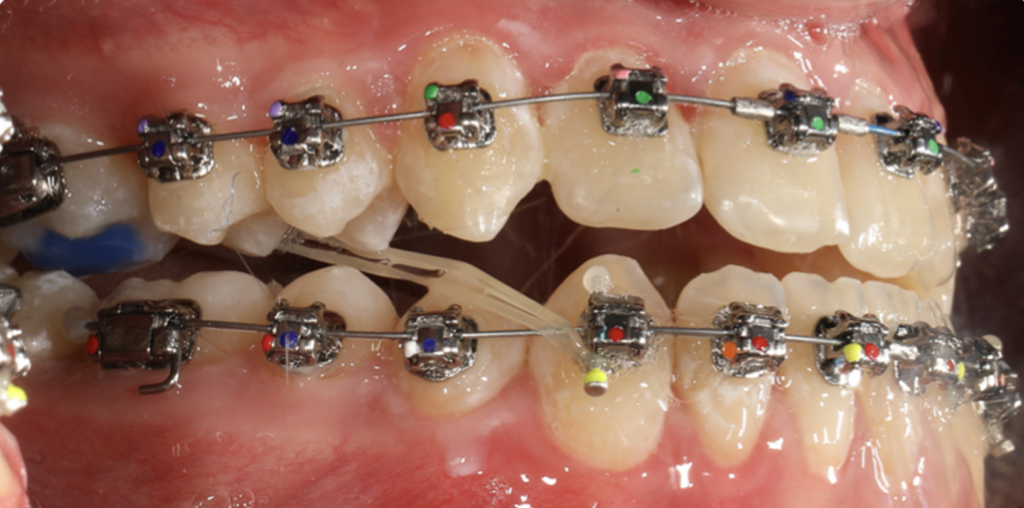
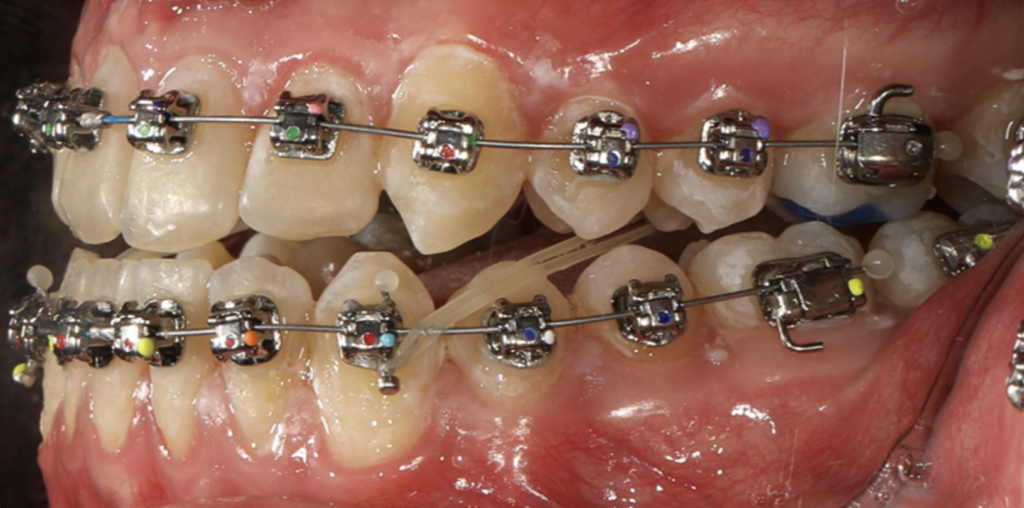
U5 Palatal Buttons –
L3s 3/16 2 oz Quail Elastics
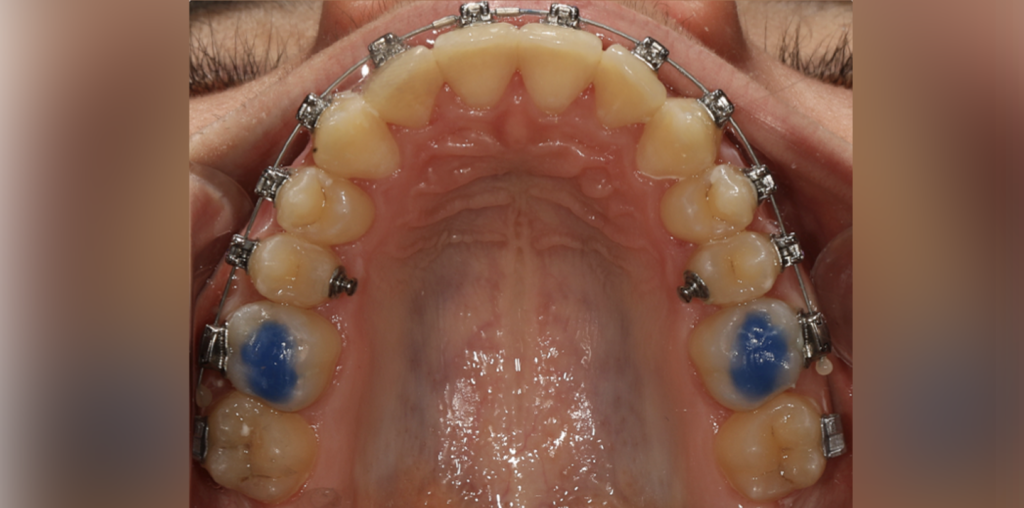
15+25 Palatal Buttons
16+26 Bite Turbos
BondingU+L
014 CuNiti
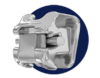
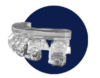
Torque prescription was selected proactively rather than reactively. Retrocline torque brackets were chosen for the maxillary incisors and Procline torque brackets for the mandibular incisors to compensate for the predictable dentoalveolar effects generated by prolonged Class III elastic wear. This strategy minimized unwanted maxillary incisor proclination while maintaining excellent anterior torque control throughout treatment.
Procline torque brackets were also selected for both the maxillary and mandibular canines. Within the author’s treatment philosophy, this prescription contributes to harmonious canine inclination, arch development and anterior esthetics while complementing the overall torque strategy.
Clinical insight: Successful torque control begins with bracket selection, not with finishing adjustments.
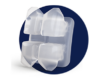
The Damon Ultima system is designed around precise FA point bracket positioning, allowing highly accurate expression of torque together with precise rotational and angulation control. Because of the exceptional precision of the appliance – particularly in the anterior segment – even small vertical changes in bracket position may influence the expression of the prescribed torque. Consequently, any intentional modification of bracket height should only be considered when supported by a clearly defined biomechanical and esthetic objective.
In this patient, smile design represented one of the principal treatment objectives. Therefore, because of the patient’s flat occlusal plane, minimal vertical refinements of the maxillary anterior bracket positions were intentionally incorporated to enhance maxillary incisor display and facilitate the development of a more consonant smile arc. Despite these refinements, excellent torque control was maintained throughout treatment, demonstrating that the desired esthetic objectives were achieved without compromising the precise biomechanical performance of the Damon Ultima system.
Clinical insight: The precision of the Damon Ultima system makes FA bracket positioning more important than ever, but it is not simply about placing a bracket, it is about programming the desired treatment outcome. Bracket positioning and torque selection should always be guided by biomechanics and refined by smile objectives.
As the occlusal plane is one of the principal determinants of smile esthetics, its management represented one of the central biomechanical objectives of treatment. Rather than focusing exclusively on sagittal correction, the mechanics were designed to influence the orientation of the maxillary occlusal plane in order to increase maxillary incisor display and improve smile esthetics.
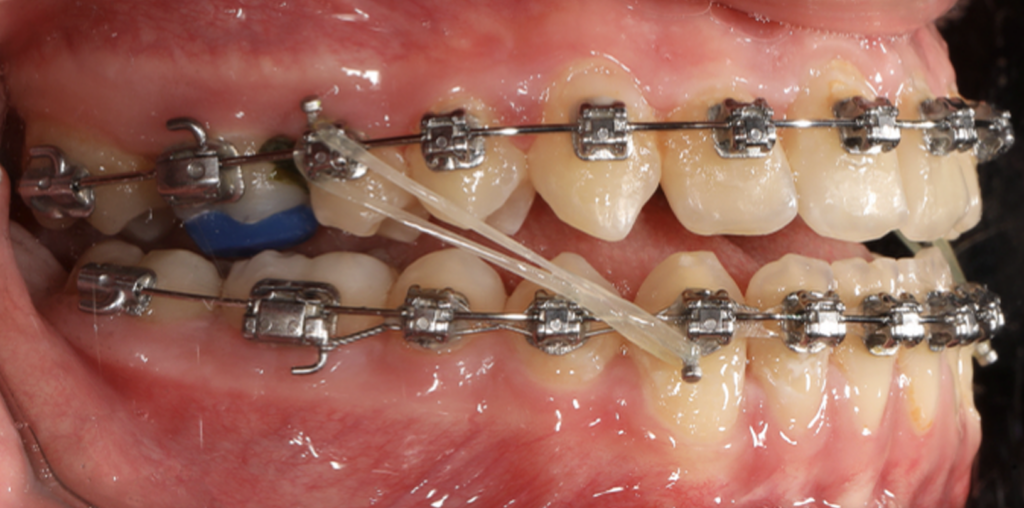
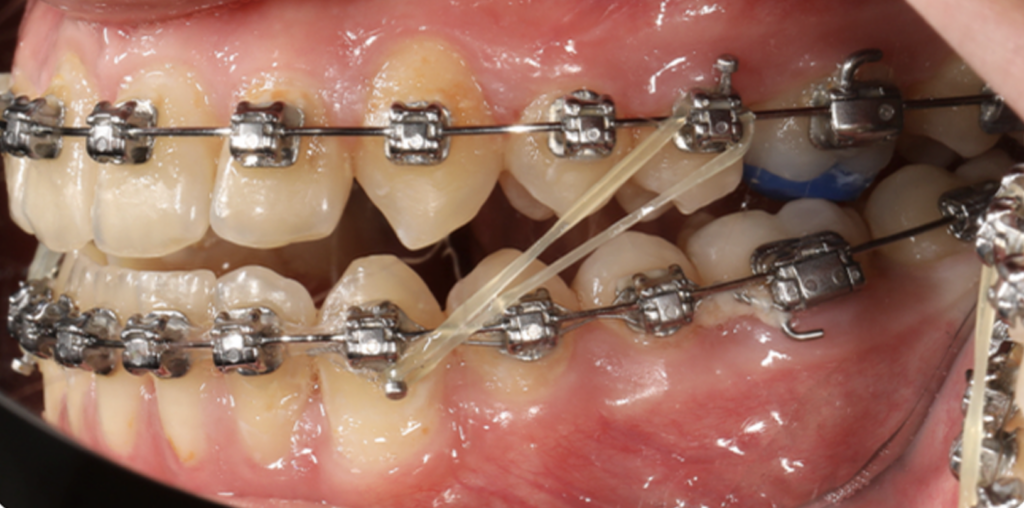
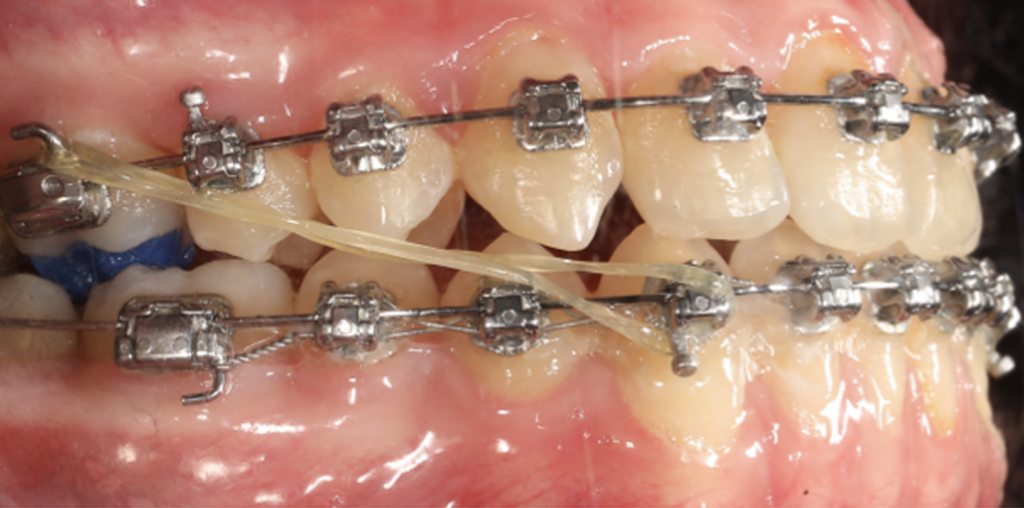
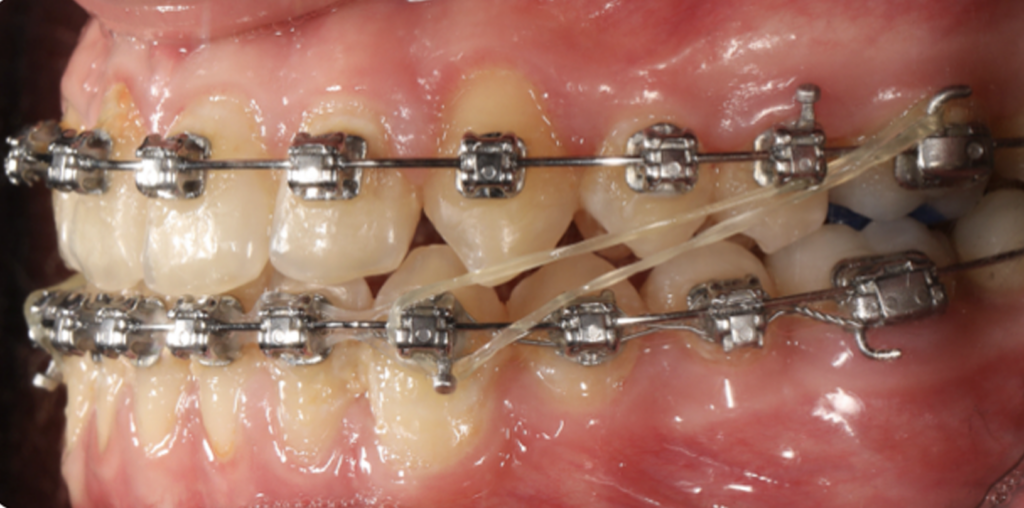
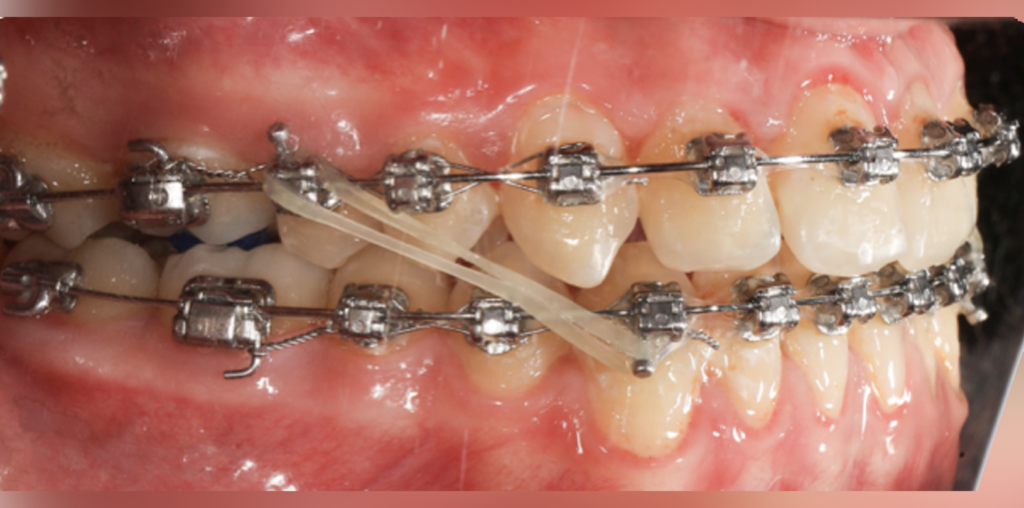
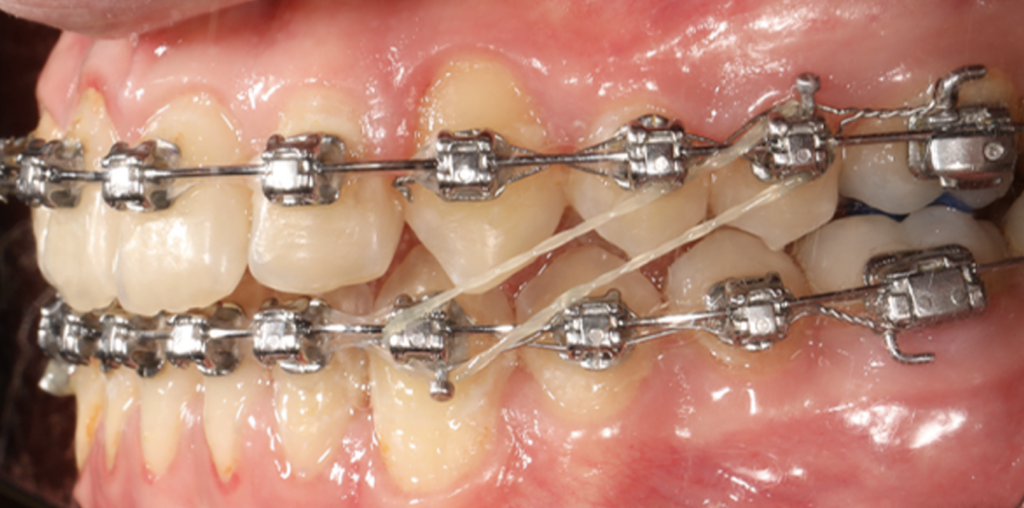
Bite turbos were bonded to the maxillary first molars, intentionally positioned posterior to the approximate rotational center of the maxilla. In contrast, the Class III elastics were applied anterior to this center, extending from the maxillary second premolars to the mandibular canines. This spatial relationship between the point of disarticulation and the line of force created a favorable force–lever arm–moment system, producing controlled clockwise rotation of the maxillary occlusal plane.
Class III elastics were initially applied from palatal buttons bonded to the maxillary second premolars to the mandibular canines. This specific force system was intentionally selected not only to generate a favorable moment that complemented clockwise rotation of the occlusal plane, but also, to support early maxillary transverse development.
Throughout treatment, occlusal plane control was never regarded as an isolated biomechanical goal. It was consistently used as a strategic instrument to improve smile esthetics while simultaneously facilitating functional Class III correction.
The biomechanical objective was not clockwise rotation itself. Rather, occlusal plane modification served as the means to optimize maxillary incisor display in harmony with the patient’s facial characteristics and smile dynamics. The resulting increase in anterior tooth display contributed to the development of a more consonant smile arc and a more balanced smile.
Improving the relationship between the upper lip and the maxillary incisors during smiling is extremely important.
Clinical insight: Occlusal plane control is not an objective in itself; it is a biomechanical strategy for optimizing smile esthetics.
One of the fundamental principles of the Damon philosophy is to allow physiologic transverse development to occur without the influence of intermaxillary elastics during the initial round NiTi archwire sequence. This approach maximizes the biologic advantages of light-force mechanics while minimizing unwanted dentoalveolar anterior protrusion side effects during the early alignment phase.
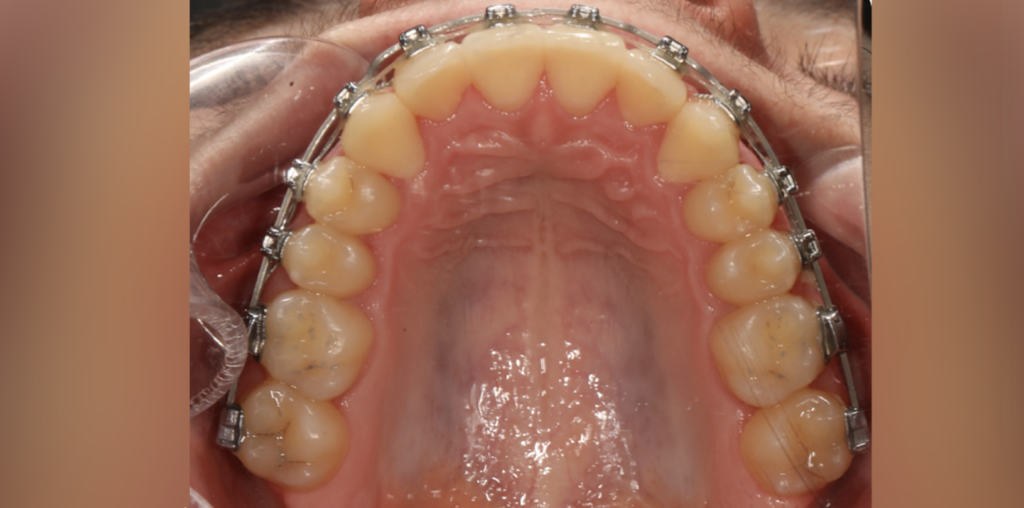
This patient, however, represented a deliberate and carefully planned biomechanical exception. Although no posterior crossbite was present, adequate transverse development of the maxillary arch was considered an essential prerequisite for successful non-surgical Class III correction. Developing sufficient maxillary arch width during the initial alignment phase would provide the biomechanical foundation for efficient sagittal correction while reducing the need for excessive dentoalveolar compensation during the later stages of treatment.
For this reason, palatal buttons were bonded to the maxillary second premolars, allowing the early application of Class III cross elastics from the palatal side of the maxillary second premolars to the mandibular canines during the initial round NiTi phase. This force system was intentionally designed not only to support transverse development of the maxillary arch, but also to establish the biomechanical conditions required for controlled occlusal plane modification and efficient sagittal Class III correction.
Although this approach differs from the standard Damon protocols, the modification was introduced only after careful consideration of the patient’s individual biomechanical requirements.
Author’s Philosophy: “Protocols are designed for the majority of patients. Individualized biomechanics are designed for the patient sitting in front of you.”
In this specific clinical situation, early transverse development was regarded as a prerequisite for predictable smile-driven Class III correction rather than as an isolated transverse objective.
The objective was not simply to expand the maxillary arch. The objective was to establish the biomechanical conditions required for efficient sagittal correction, controlled occlusal plane management and ultimately, the development of a naturally harmonious smile.
Clinical insight: Every modification of a treatment protocol should be guided by sound biomechanical principles and a clearly defined treatment objective. Individualized mechanics should complement – and not replace – the philosophy of the Damon Ultima system.
6 Weeks
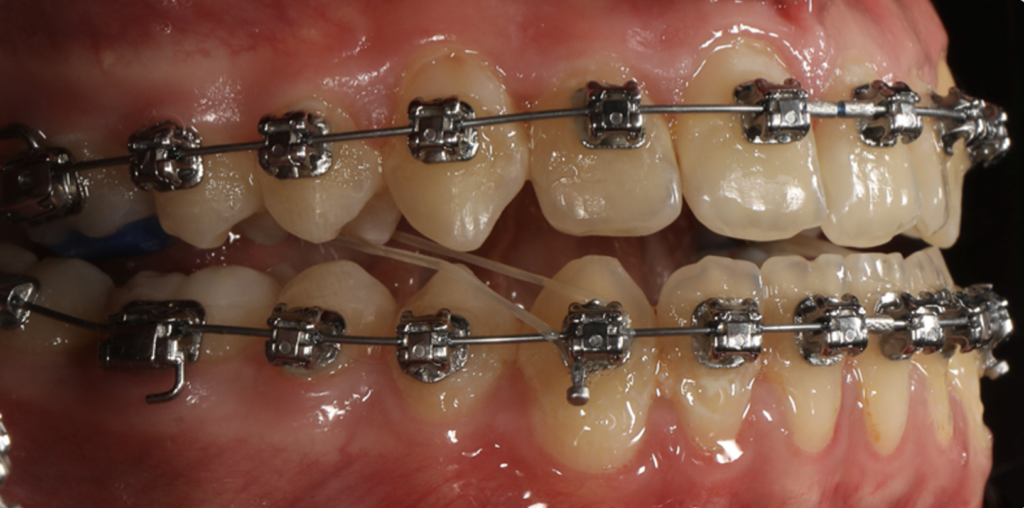
U+L 018 CuNiti
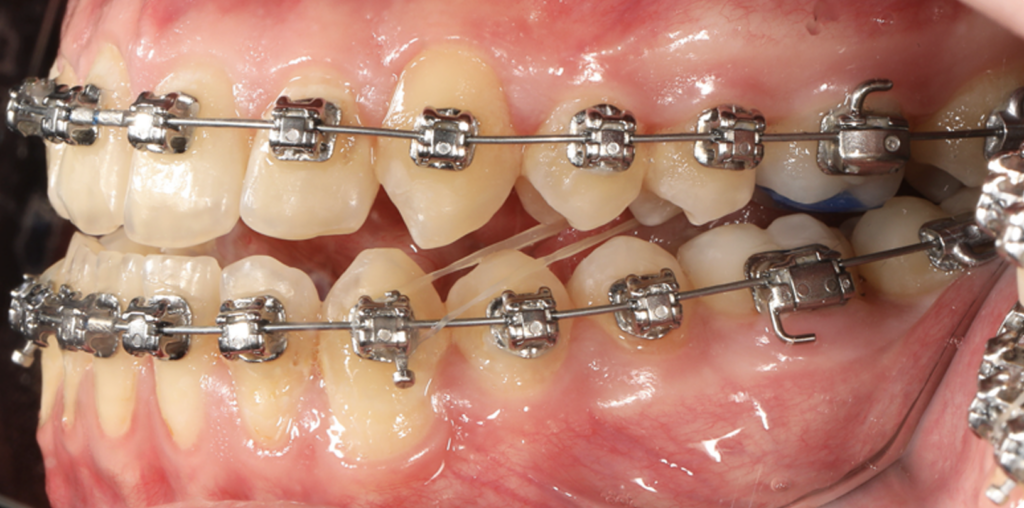
U5 Palatal Buttons – L3s 3/16 2 oz Quail Elastics
Archwire progression was not regarded as a predetermined sequence of wire changes, but as a biologically driven progression in which each archwire prepared the conditions required for the next biomechanical objective. Progression through the wire sequence was determined by clinical readiness rather than by time alone.
Based on the author’s current clinical experience with the Damon Ultima system, CuNiTi archwires are generally maintained for approximately six to eight weeks to allow optimal biologic expression of the programmed tooth movement. However, progression through the archwire sequence should never be dictated by time alone. Instead, archwire changes should be guided by the patient’s biologic response and the successful completion of the biomechanical objectives assigned to each stage of treatment. Consequently, treatment intervals may vary according to individual clinical progress while remaining consistent with the biologic principles of the Damon Ultima philosophy.
The standard archwire progression consisted of 014 CuNiTi, 018 CuNiTi, 14×275 CuNiTi and 18×275 CuNiTi archwires, each fulfilling a distinct biomechanical objective. The initial round CuNiTi archwires facilitated alignment and transverse development, while the rectangular CuNiTi archwires progressively expressed the prescribed torque and established full bracket engagement before transitioning to the working stainless steel archwires.
2.5 Months
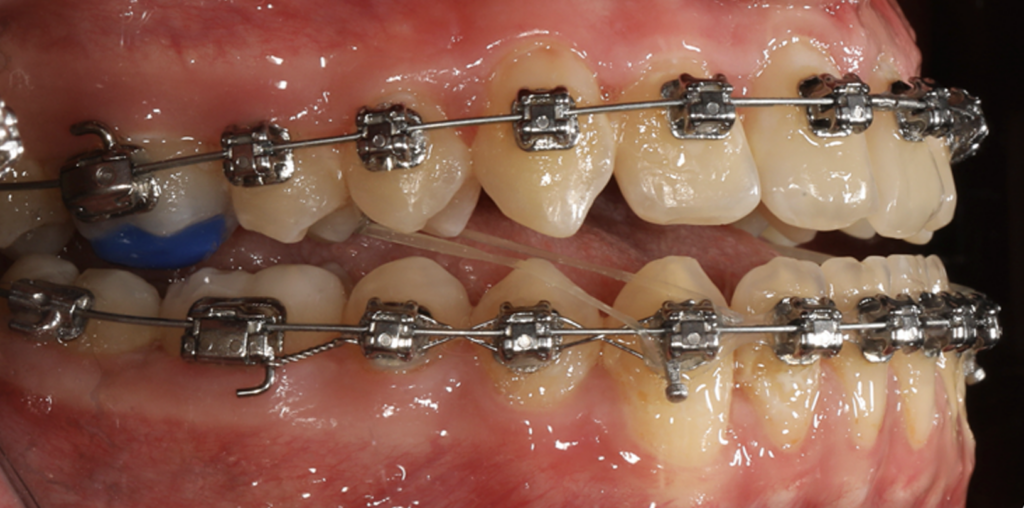
U+L 14×275 CuNiti
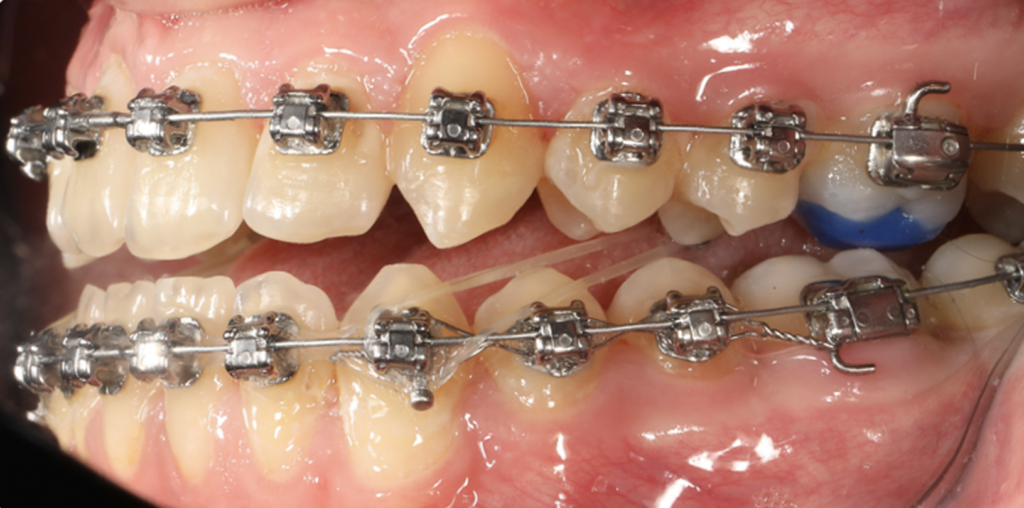
U5 Palatal Buttons – L3s 3/16 2 oz Quail Elastics
3.5 Months
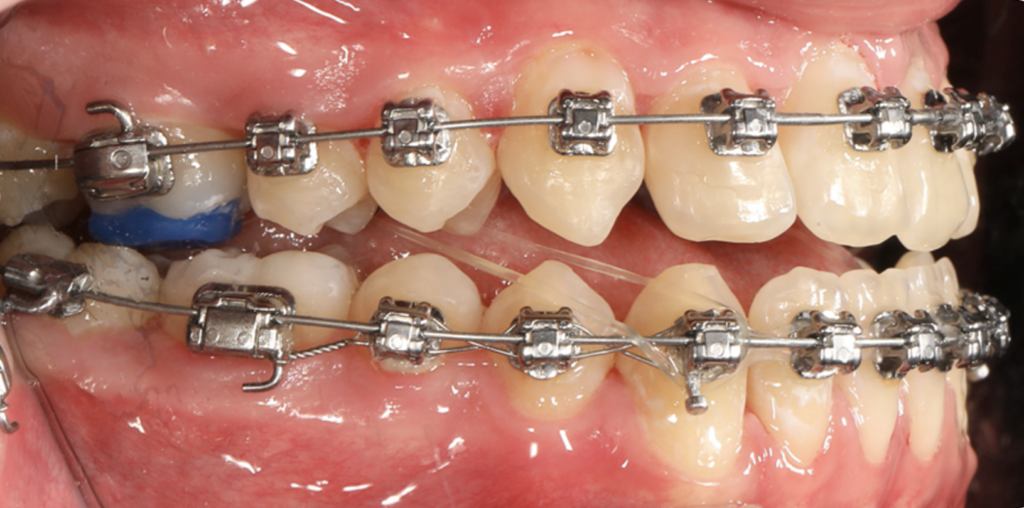
U+L 18×275 CuNiti
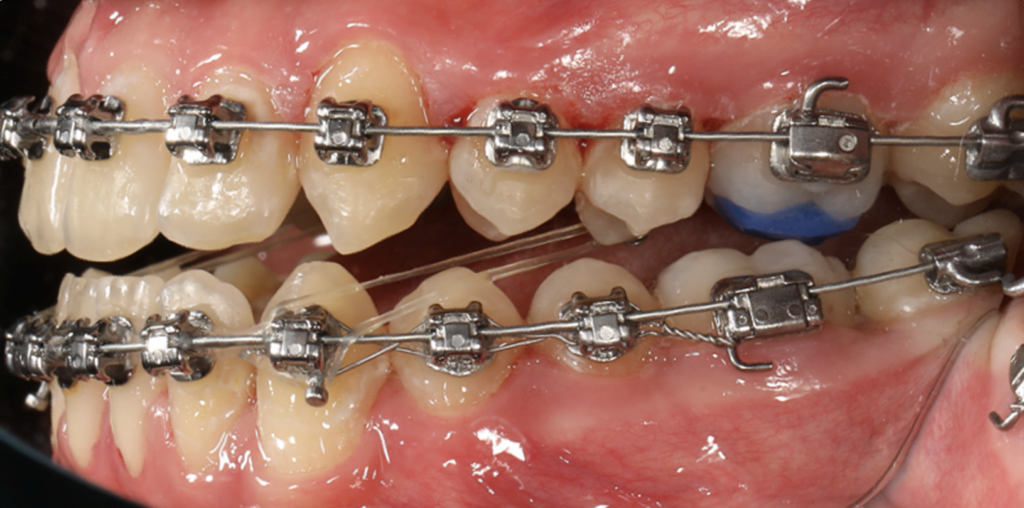
U5 Palatal Buttons – L3s 3/16 2 oz Quail Elastics
Following complete engagement of the 18×275 CuNiTi archwire, Bracket Repositioning (Pano-Repo) was performed where required. Tooth 21 underwent angulation repositioning, while tooth 11 received vertical repositioning to further optimize anterior esthetics, torque expression and smile development before progressing to stainless steel archwires.
The upper 18×275 and lower 16×275 stainless steel archwires subsequently provided the rigid working platform required for efficient sagittal correction and continued occlusal plane control using Class III elastics. As treatment objectives evolved, elastic wear progressed from the maxillary second premolars to the mandibular canines, followed by the maxillary first molars to the mandibular canines, before returning to the maxillary second premolars during the final phase of sagittal correction.
5.5 Months
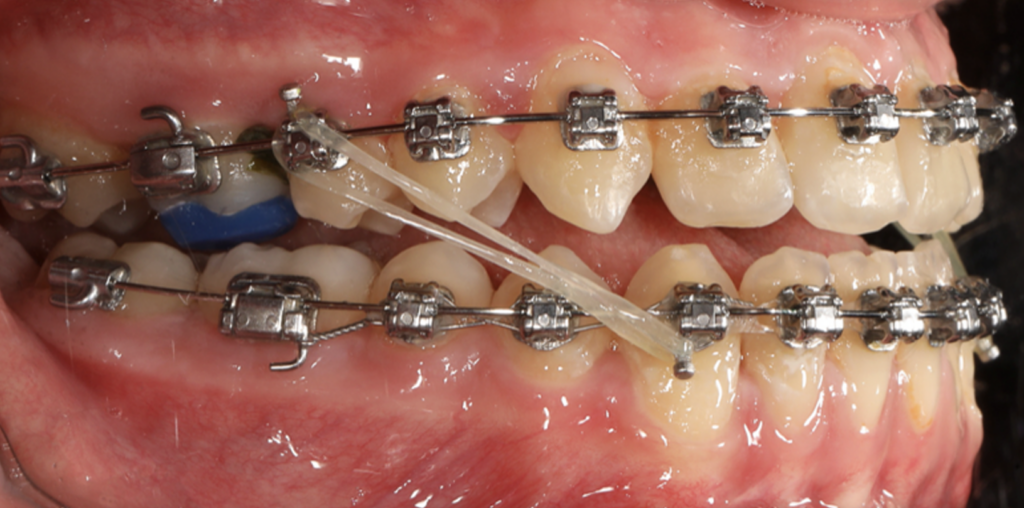
15-43 3/16 4.5 oz Kangaroo Elastic
U 18×275 SS + L 16×275 SS
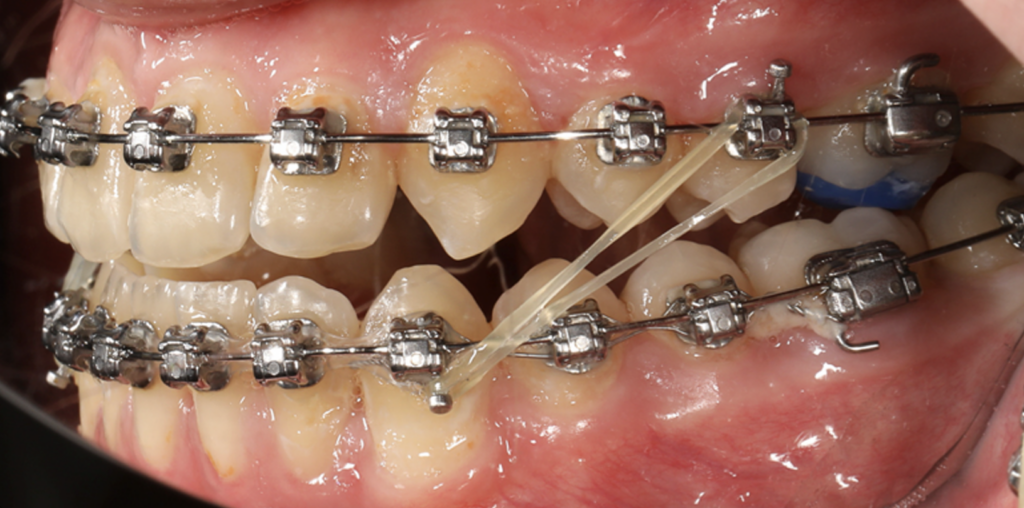
25-33 3/16 3.5 oz Rabbit Elastic
5.5 Months
7 Months
10 Months
Approximately 13 months into treatment, upper & lower 18×275 TMA finishing archwires were inserted to allow precise three-dimensional detailing. Although one of the basic principles of the Damon Ultima System to eliminate arch wire bendings, minor anterior extrusion bends were incorporated into the maxillary archwire to further optimize maxillary incisor display and refine the smile arc. At this stage, the posterior bite turbos were removed to allow complete settling of the posterior occlusion. Since the sagittal correction had already been achieved, the previous Class III elastics were replaced with Class I finishing elastics to complete intercuspation and finalize the occlusion.
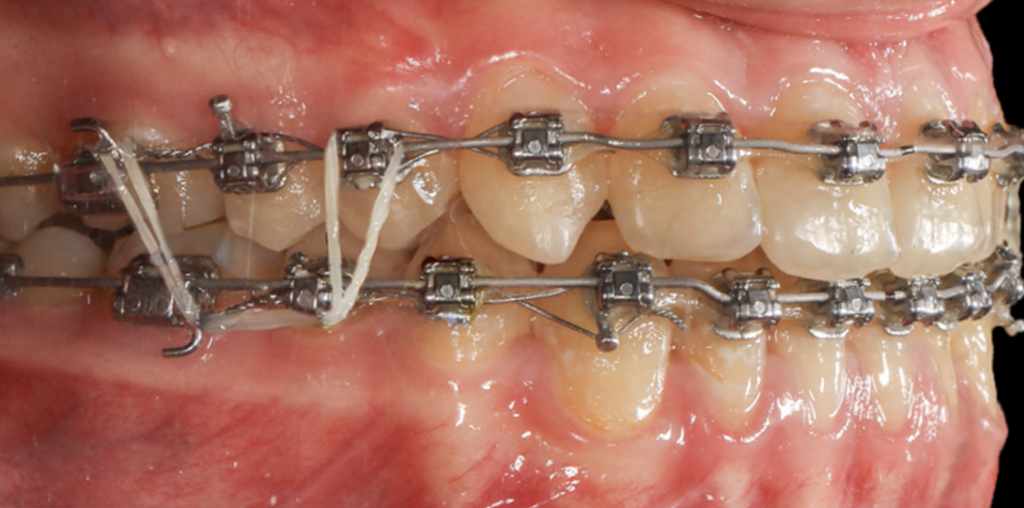
16+26 Bite Turbos removal
13 Months U+L 18×275 TMA
5/16 oz Parrot/Day
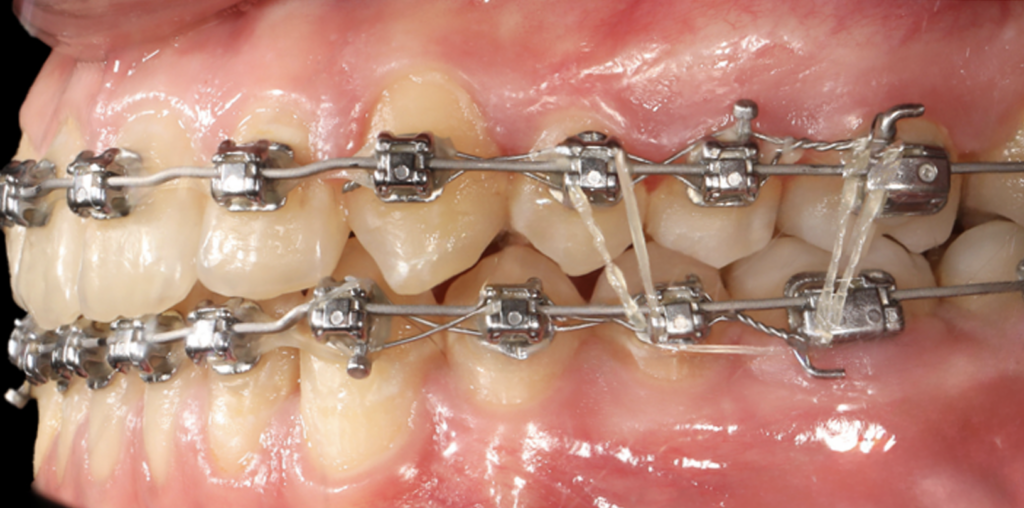
5/16 3.5 oz Penguin/ Night finishing eleastics
Author’s Philosophy: “Biology determines the pace of treatment, the clinician determines the direction.”
Clinical insight: Every archwire has a specific biomechanical objective. Progress to the next wire only after that objective has been fully achieved. Treatment efficiency is not determined by how quickly archwires are changed, but by how completely each stage prepares the next.
Author’s Philosophy: “Orthodontic finishing begins on the day the brackets are bonded and the initial enamel recontouring is performed.”
Successful sagittal correction and functional occlusion are fundamental treatment objectives; however, they do not automatically create an exceptional smile. In our treatment philosophy, smile refinement is not regarded as the final stage of treatment but as a continuous process that begins with diagnosis and continues throughout every clinical appointment. Every small esthetic refinement contributes to the overall harmony, balance and visual flow of the final smile.
Following complete torque expression with the rectangular CuNiTi archwires, at the Pano-Repo appointment, tooth 21 underwent angulation repositioning, while tooth 11 received vertical repositioning to further optimize anterior esthetics, torque expression and smile development before progressing to the stainless-steel working archwires. This selective refinement allowed the final stages of treatment to focus on precision rather than compensation.
Approximately 10 months into treatment, esthetic interproximal reduction (IPR) was performed in both arches. Rather than being used primarily for space management, IPR served as an esthetic instrument to improve connector morphology, optimize anterior tooth proportions and create a nice esthetic flow with a smoother visual transition between adjacent teeth.
Selective enamel recontouring was performed throughout treatment rather than being reserved exclusively for the finishing stage. Initial enamel reshaping facilitated precise bracket positioning, while additional refinements during treatment and after appliance removal optimized tooth anatomy, incisal embrasures, gingival symmetry and overall smile harmony. These seemingly small modifications played a significant role in achieving a naturally balanced final esthetic result.
At approximately 13 months, TMA finishing archwires were inserted to permit precise three-dimensional detailing. Minor anterior extrusion bends were incorporated into the maxillary archwire to further optimize maxillary incisor display and refine the smile arc without compromising the excellent torque control achieved during the previous stages of treatment.
At the beginning of the finishing phase, the posterior bite turbos were removed to allow complete settling of the posterior occlusion. Since the sagittal correction had already been achieved, the previous Class III elastics were replaced with Class I finishing elastics to complete intercuspation while preserving the esthetic improvements already established.
Throughout treatment, every refinement was evaluated not only from a functional perspective but also from an esthetic one. Tooth anatomy, connector morphology, gingival contours, smile arc, maxillary incisor display, light reflection and torque expression were regarded as individual components of a single esthetic flow. The objective was not merely to align teeth, but to create a smile in which every individual element contributes harmoniously to the final visual result.
Clinical insight: Exceptional smiles are rarely created by a single major procedure. They are the cumulative result of countless small refinements, each of which may appear insignificant in isolation, but together define the final esthetic outcome.
Orthodontic success depends not only on wire sequences or finishing mechanics but on the strategic decisions made at the bonding appointment. In this case, Damon Ultima provided the control necessary to achieve predictable, efficient, and esthetically pleasing results.
16 Months – Debonding
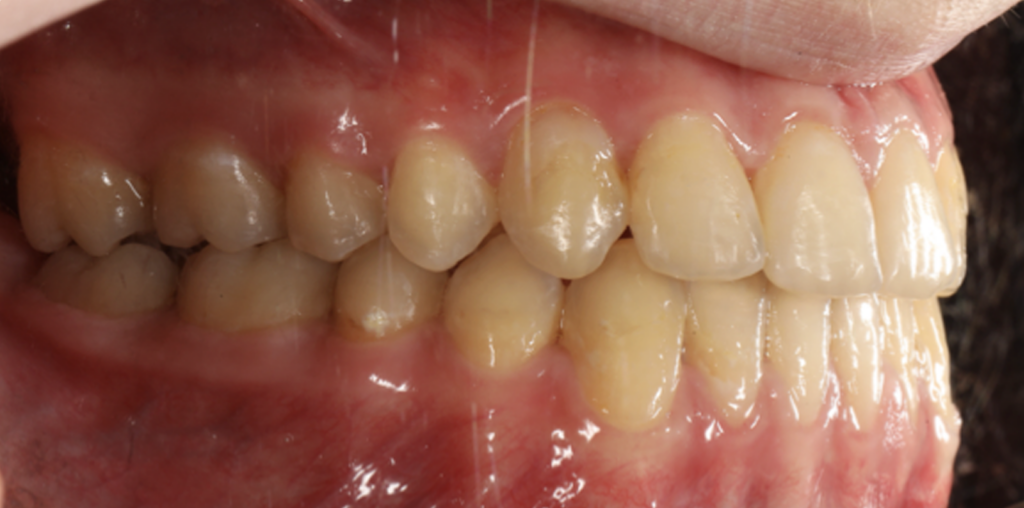
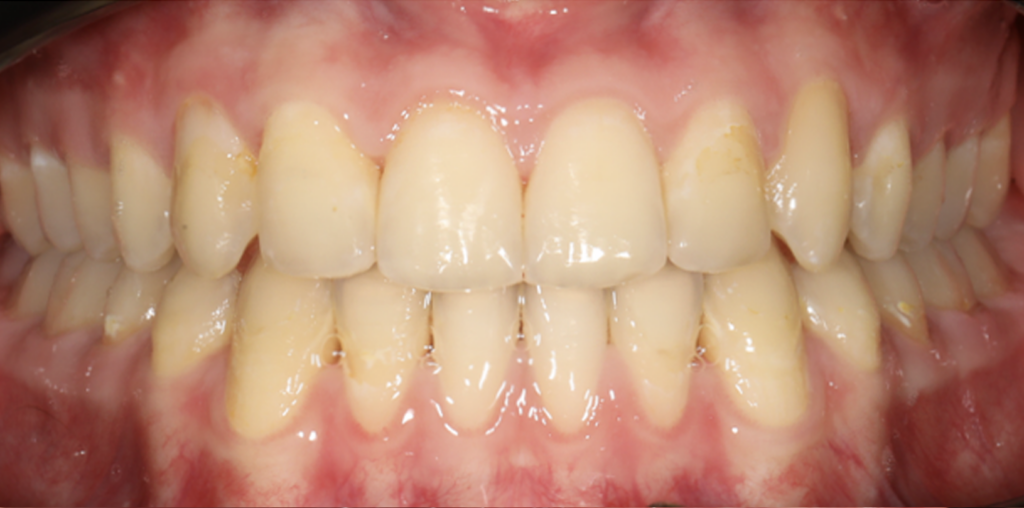
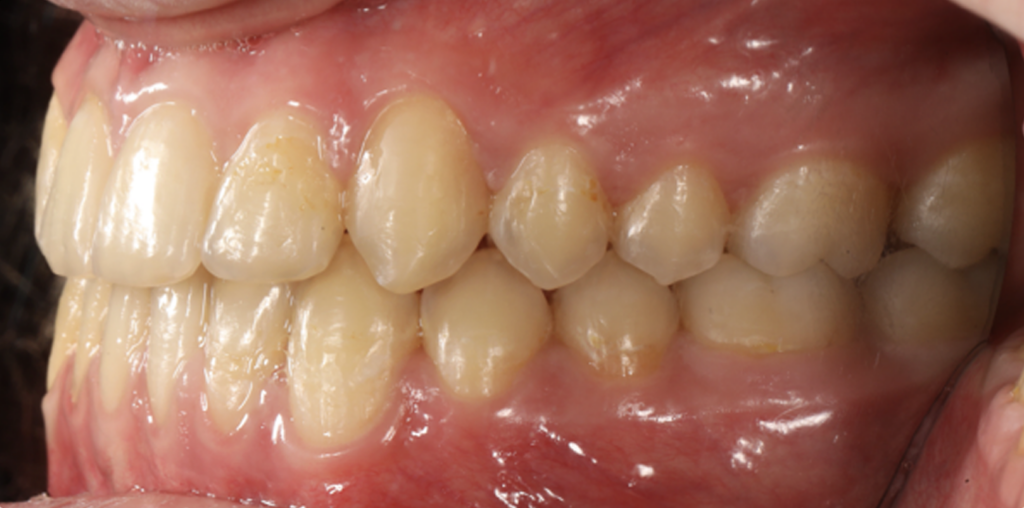
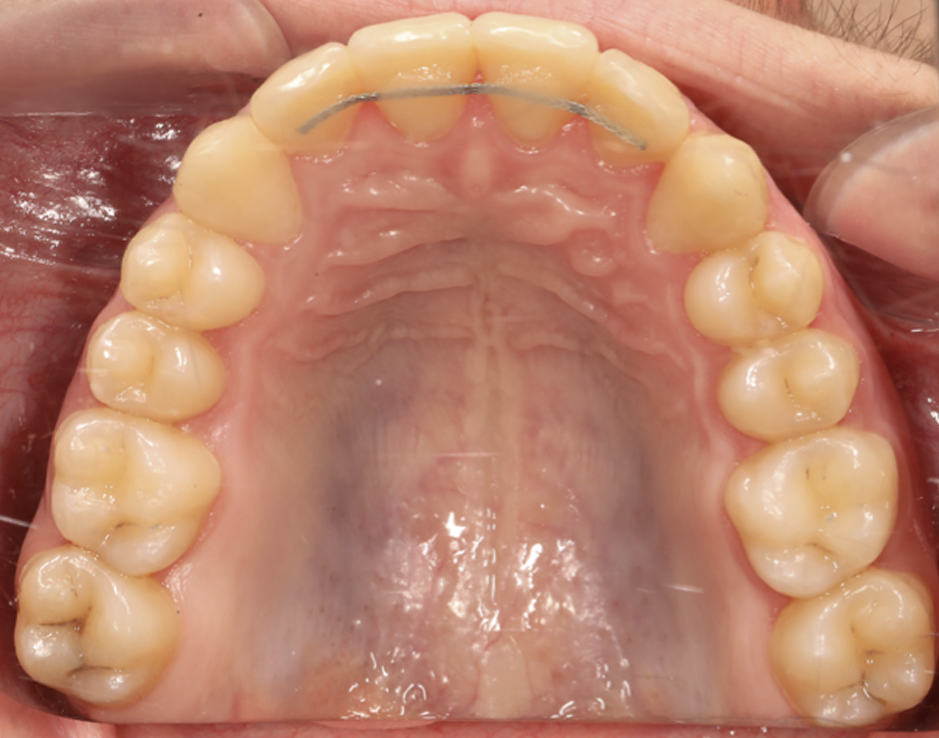
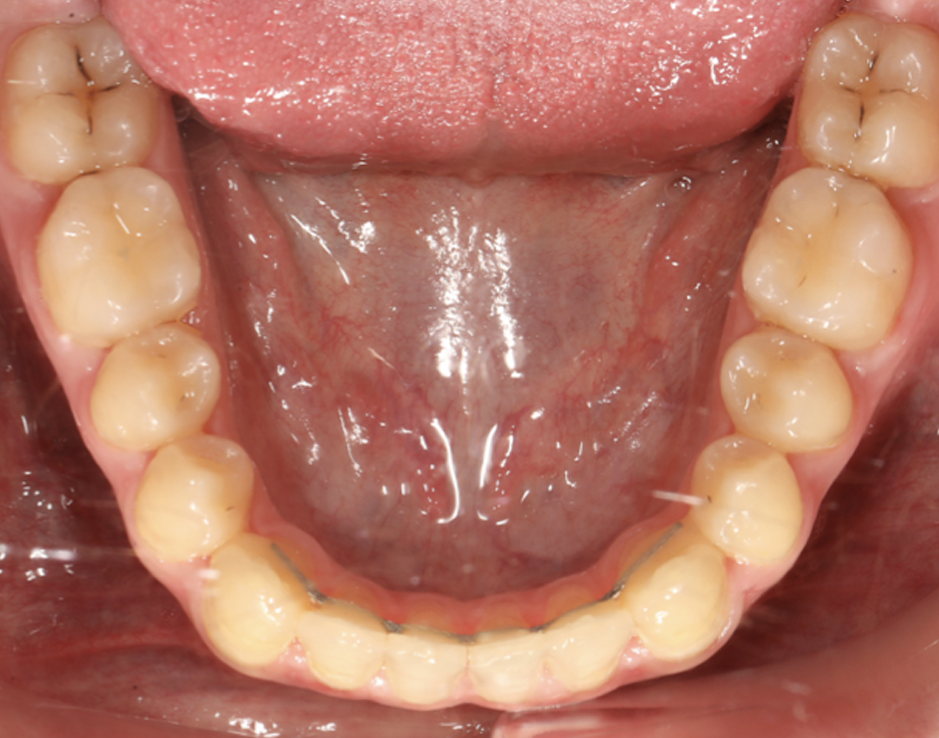
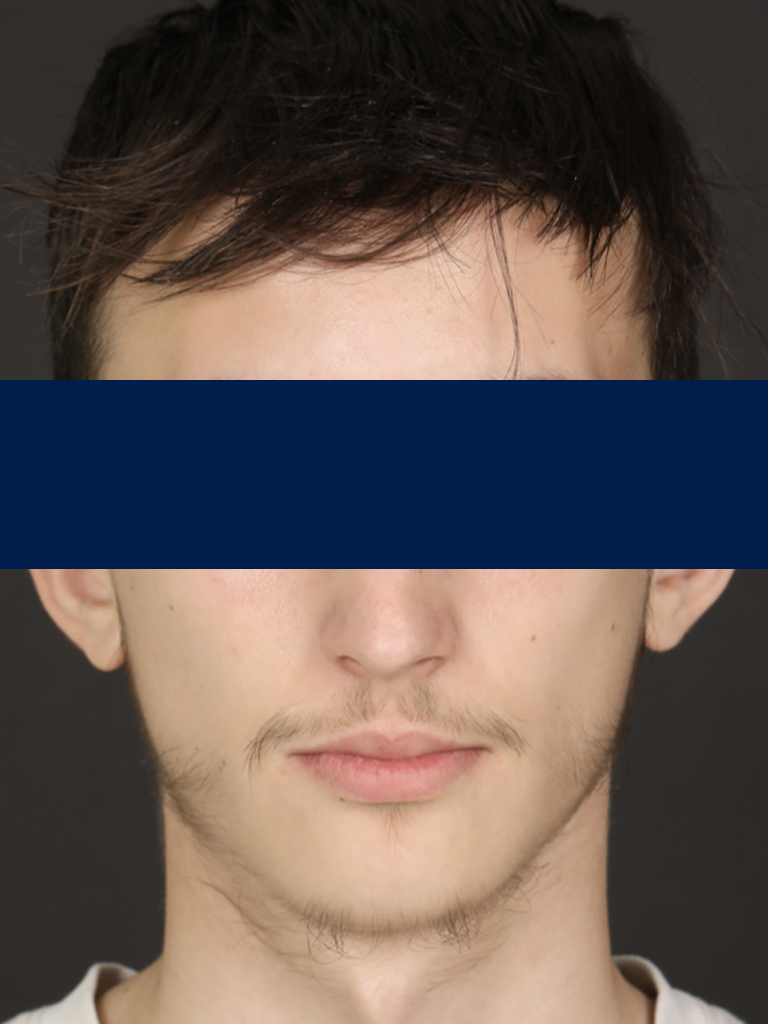
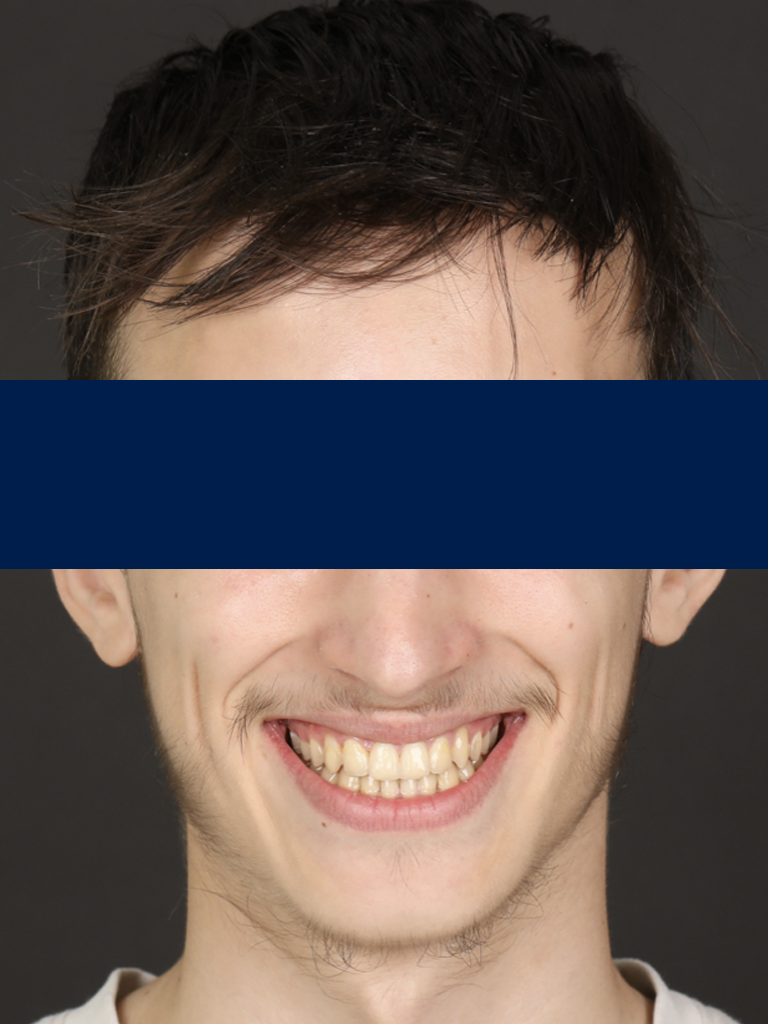
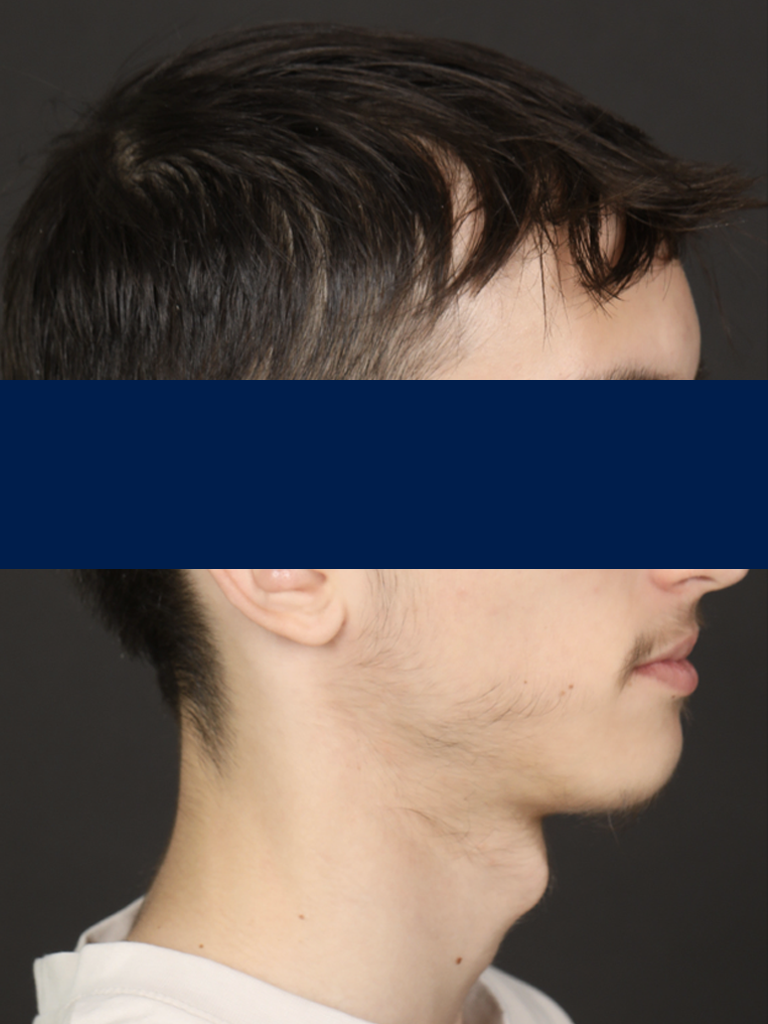
Author’s Philosophy: “Great orthodontic results are rarely the consequence of one brilliant decision. They are the result of hundreds of small decisions, all moving in the same direction.”
This case illustrates that, following careful diagnosis and appropriate case selection, selected adult skeletal Class III patients who have previously been referred for orthognathic surgery may also be successfully managed using a non-surgical orthodontic approach. The key is not to challenge surgery itself, but to recognize those patients for whom individualized biomechanics can provide a predictable alternative.
Perhaps the most remarkable aspect of this treatment is that all treatment objectives were achieved without skeletal anchorage. Rather than relying on temporary anchorage devices, treatment was guided by individualized torque prescription, precise bracket positioning, controlled occlusal plane management and carefully designed force systems. Each biomechanical decision was planned to serve both functional correction and smile esthetics simultaneously.
The exceptional precision of the Damon Ultima system allowed the planned biomechanics to be expressed with a very high degree of predictability. Precise torque expression, rotational control and bracket positioning accuracy made it possible to individualize treatment without compromising biomechanical efficiency or treatment stability.
More importantly, this case demonstrates that successful treatment of complex Class III malocclusions should never be judged solely by the correction of the occlusion. Functional excellence remains essential, but equally important is the ability to optimize maxillary incisor display, smile arc, facial balance and overall smile esthetics. These objectives should influence every biomechanical decision from the very beginning of treatment.
Ultimately, this case is not about avoiding surgery. It is about demonstrating that careful diagnosis, biologically efficient biomechanics and smile-driven treatment planning can, in selected patients, produce results that are both functionally stable and esthetically exceptional.
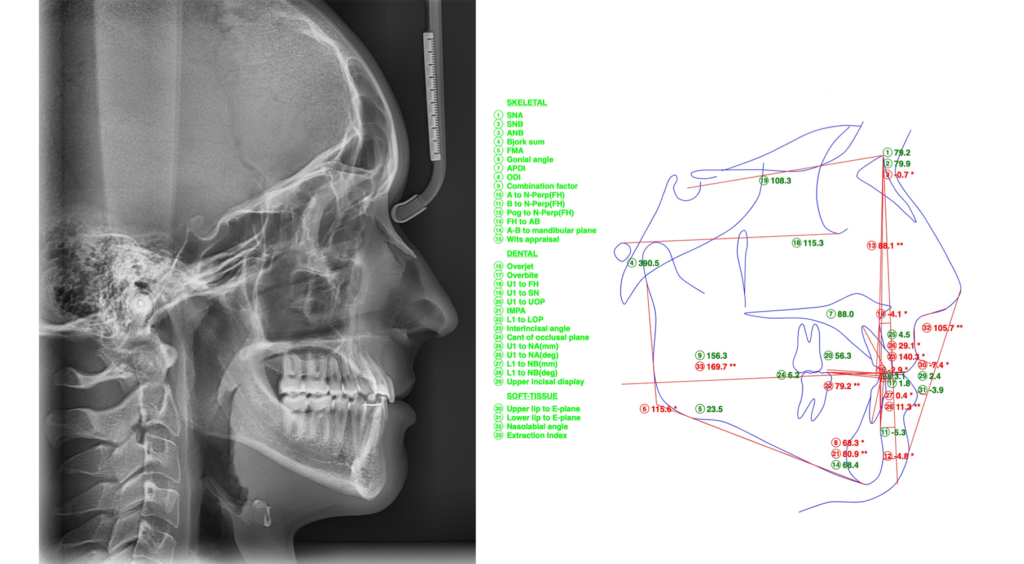
Cephalometric comparison between the initial and final records objectively confirmed the clinical outcome achieved through individualized, smile-driven biomechanics. Although the underlying skeletal Class III relationship remained essentially unchanged (ANB: −1.7° to −0.7°), substantial dentoalveolar correction was successfully achieved without orthognathic surgery or skeletal anchorage.
Sagittal correction was objectively reflected by a marked improvement in the Wits appraisal, improving from −5.2 mm to −2.9 mm, confirming successful correction of the sagittal dental relationship while preserving the underlying skeletal pattern. Throughout treatment, excellent anterior torque control was maintained, as demonstrated by the remarkable stability of maxillary incisor inclination (U1-SN: 107.3° to 108.3°), despite the intentional smile-driven refinement of maxillary incisor bracket positioning.
One of the principal treatment objectives was to increase maxillary incisor display through controlled occlusal plane management and precise torque control. This objective was objectively confirmed cephalometrically, with maxillary incisor display increasing from 1.5 mm to 2.4 mm. Importantly, this improvement was achieved without excessive maxillary incisor proclination, demonstrating that smile enhancement resulted from controlled biomechanics rather than uncontrolled dentoalveolar compensation.
The soft tissue response closely paralleled the dental and esthetic improvements. Upper lip support improved, with the upper lip moving closer to the E-plane (−8.4 mm to −7.4 mm), while the nasolabial angle increased from 100.0° to 105.7°, contributing to a more harmonious facial profile. These findings demonstrate that precise torque control influences not only tooth position but also the supporting soft tissues that define smile esthetics and facial harmony.
Importantly, these cephalometric findings should not be interpreted in isolation, but rather as objective confirmation of the smile-driven treatment objectives established before treatment began. Together with the clinical photographs, they demonstrate that carefully planned biomechanics can successfully transform smile-driven treatment objectives into predictable clinical outcomes while preserving facial harmony, without orthognathic surgery or skeletal anchorage.
Clinical Insight: The most successful camouflage treatments are those in which biomechanics serve function and smile esthetics simultaneously. The objective is never simply to correct the malocclusion; it is to improve the patient’s quality of life through an exceptional smile.
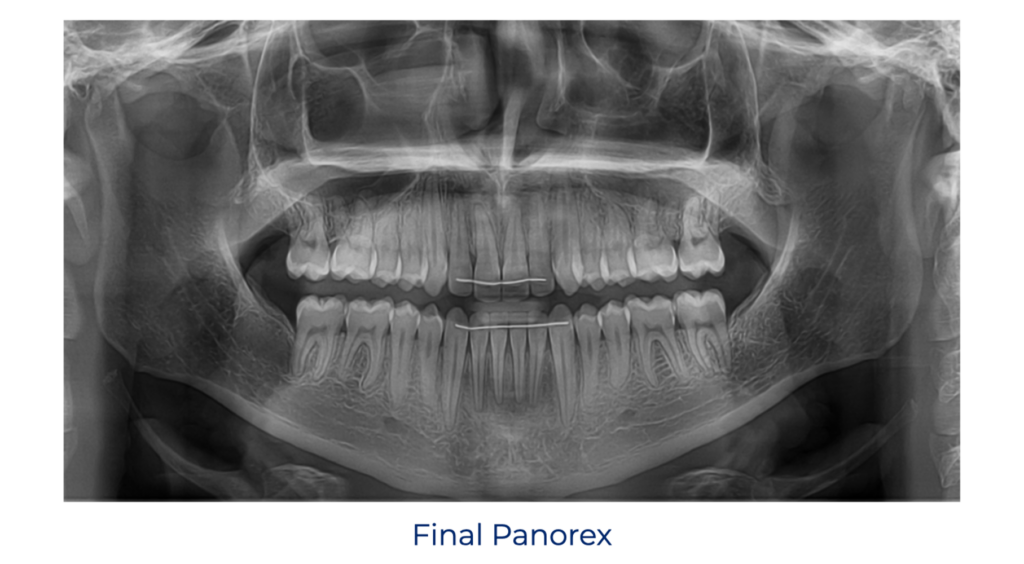
This case demonstrates that selected adult skeletal Class III patients may be successfully treated without orthognathic surgery or skeletal anchorage when diagnosis, biomechanics and esthetics-driven treatment planning are integrated into a single treatment philosophy.
The Damon Ultima system provided the precision required for individualized torque control, bracket positioning and biologically efficient tooth movement, allowing complex biomechanics to be expressed predictably throughout treatment.
More importantly, this case reinforces a philosophy that extends beyond occlusal correction. Every biomechanical decision – from torque prescription and bracket positioning to occlusal plane management and smile refinement – should ultimately contribute to creating a naturally harmonious smile.
Author’s Philosophy: ”Orthodontics is not simply about correcting malocclusions. It is about creating smiles that patients never believed were possible, and changing lives through the confidence those smiles create.”
The true success of orthodontic treatment is therefore measured not only by the quality of the occlusion, but by the positive impact that a confident, natural smile has on a patient’s life.
This report describes the management of a single carefully selected patient and should not be interpreted as suggesting that all adult skeletal Class III malocclusions are suitable for non-surgical treatment.
MKT-26-1292
* Dr. Csiki is a paid consultant for Ormco. The opinions expressed are those of Dr. Csiki. Ormco is a medical device manufacturer and does not dispense medical advice. Clinicians should use their own professional judgment intreating their patients.
