
















CASE REPORT
CASE REPORT
This case report was featured in the October 2025 edition of the “Dentista Moderno” magazine from Spain.
Dr. Montserrat Puigpinós Saronella*, Spain

Class II malocclusions and anterior open bites represent two of the most frequent challenges in orthodontic practice. Traditionally, they have been considered difficult-to-treat malocclusions, often leading to more invasive therapeutic approaches such as dental extractions or even orthognathic surgery in certain cases. However, recent evidence shows that, in the absence of significant facial discrepancies, satisfactory outcomes can be achieved through less invasive approaches.
In this context, clear aligners combined with temporary anchorage devices (TADs) have proven to be an effective and esthetic alternative, offering comfortable treatments for patients, reduced treatment times, and high predictability of results. These techniques allow not only the correction of dental discrepancies but also the modification of occlusal planes, making it possible to address complex malocclusions such as Class II and open bites with long-term stability.
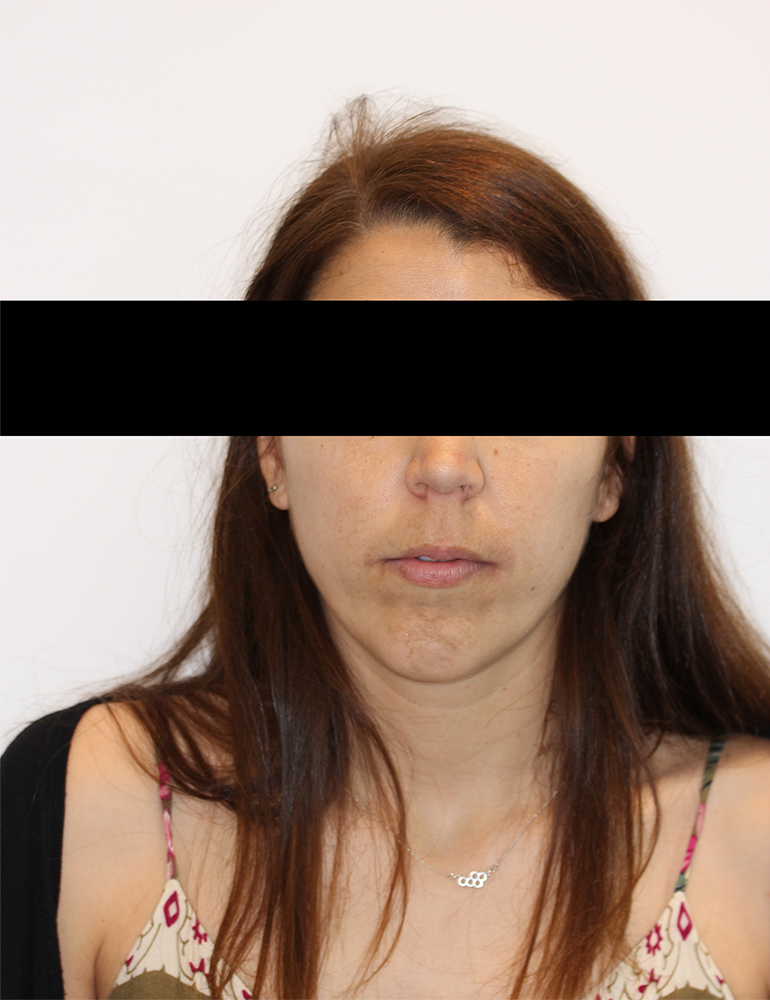
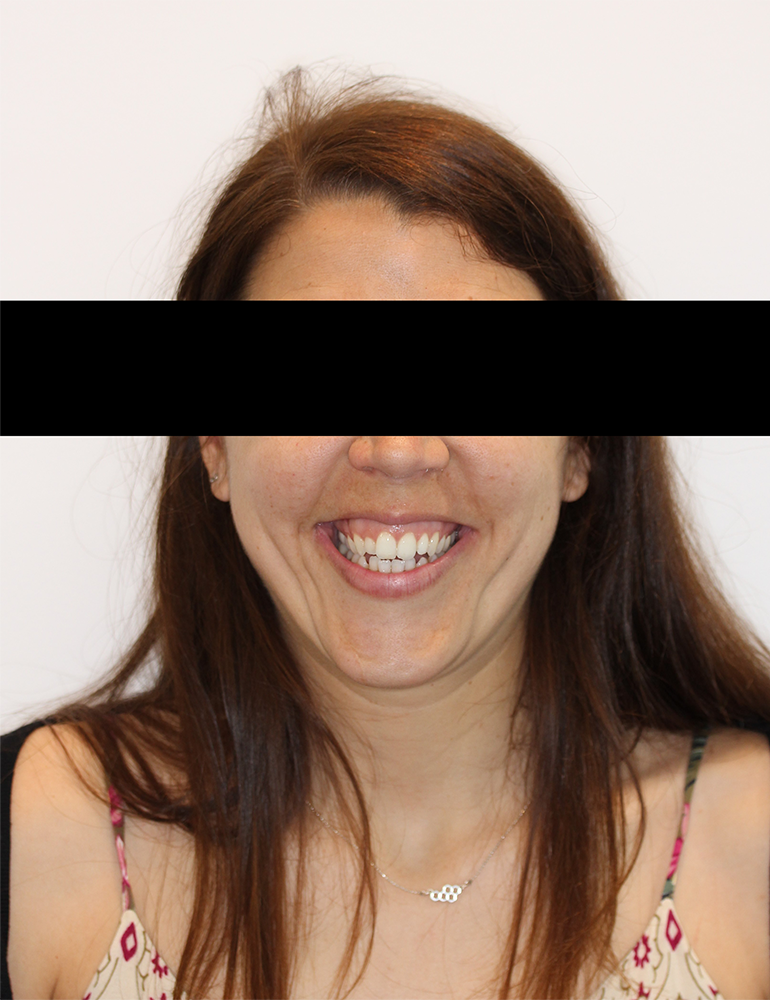
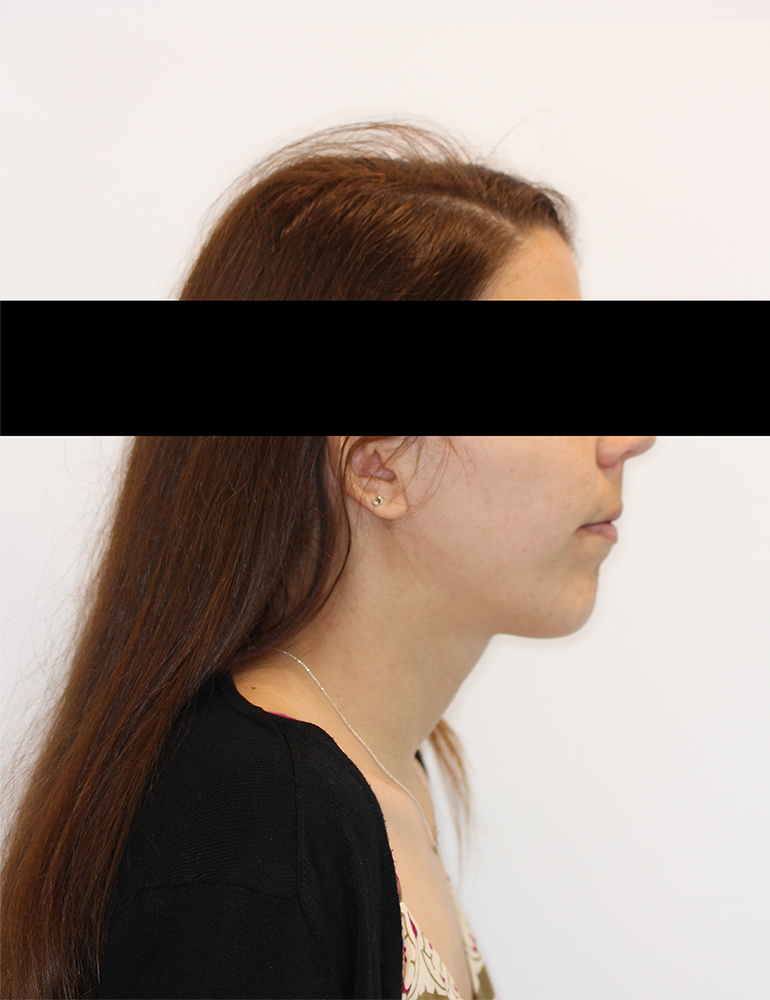
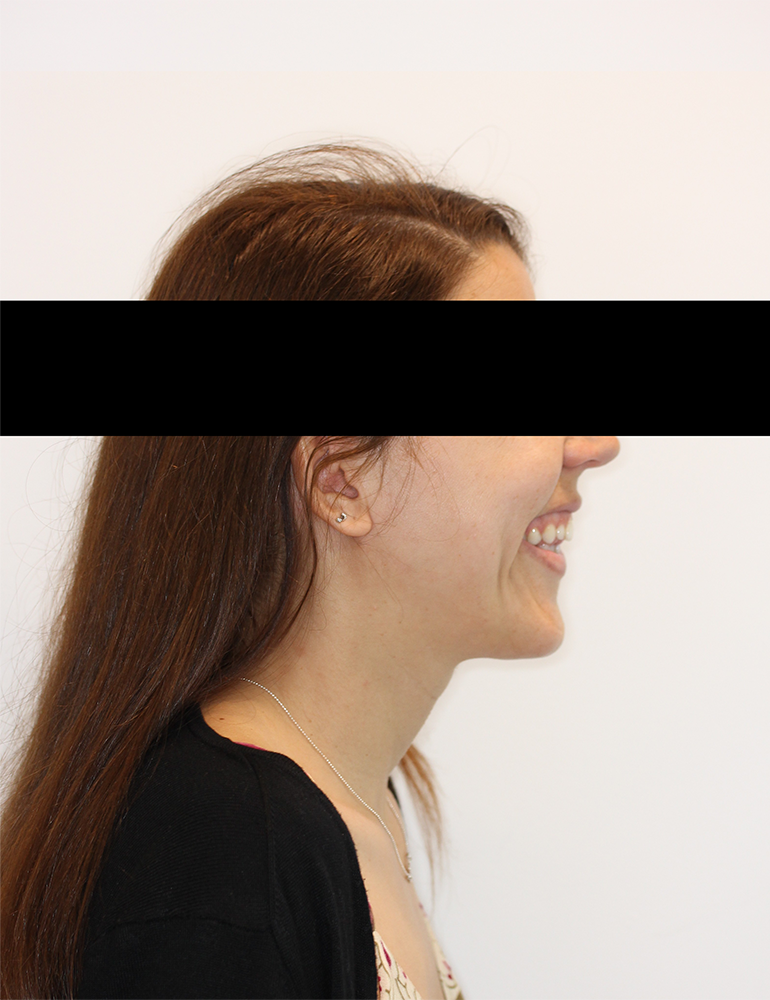
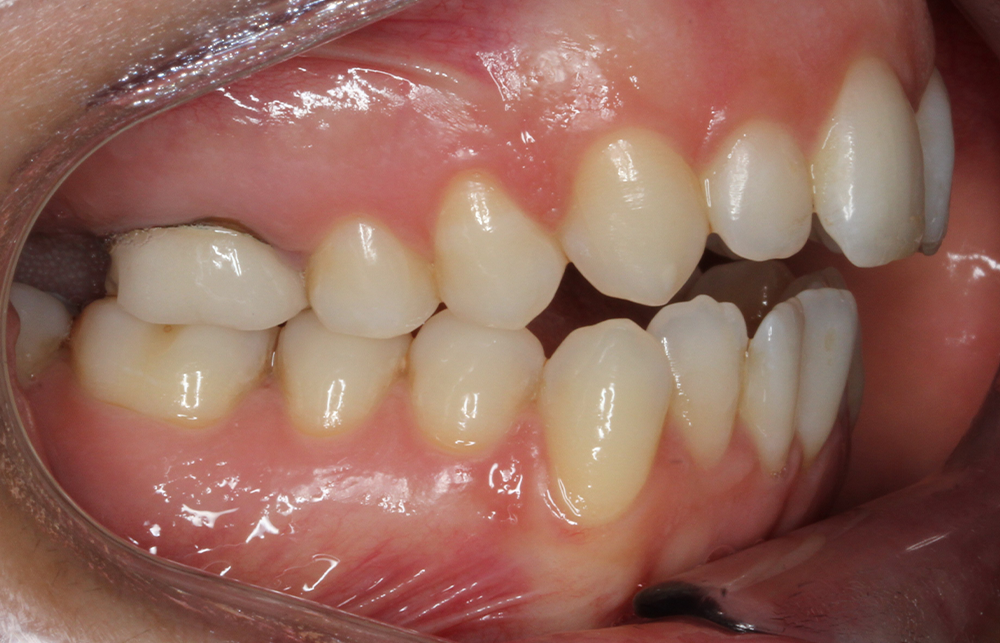
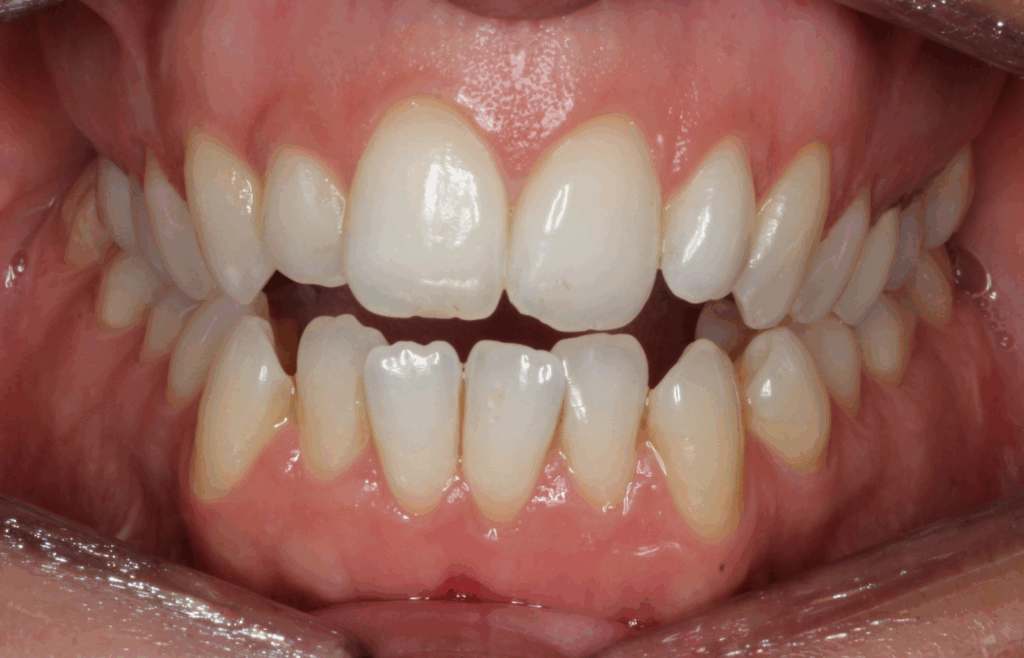
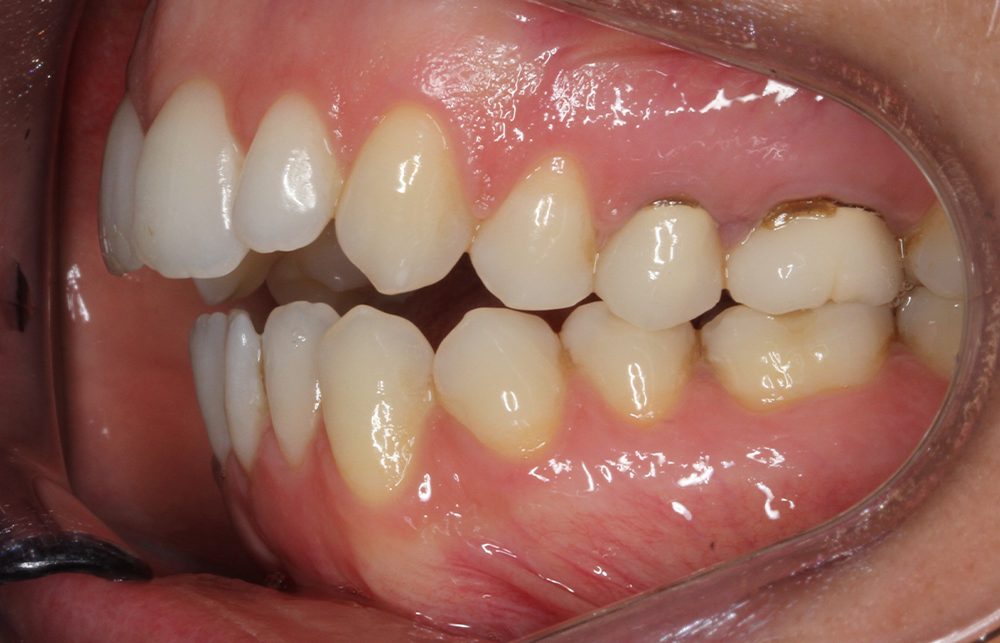
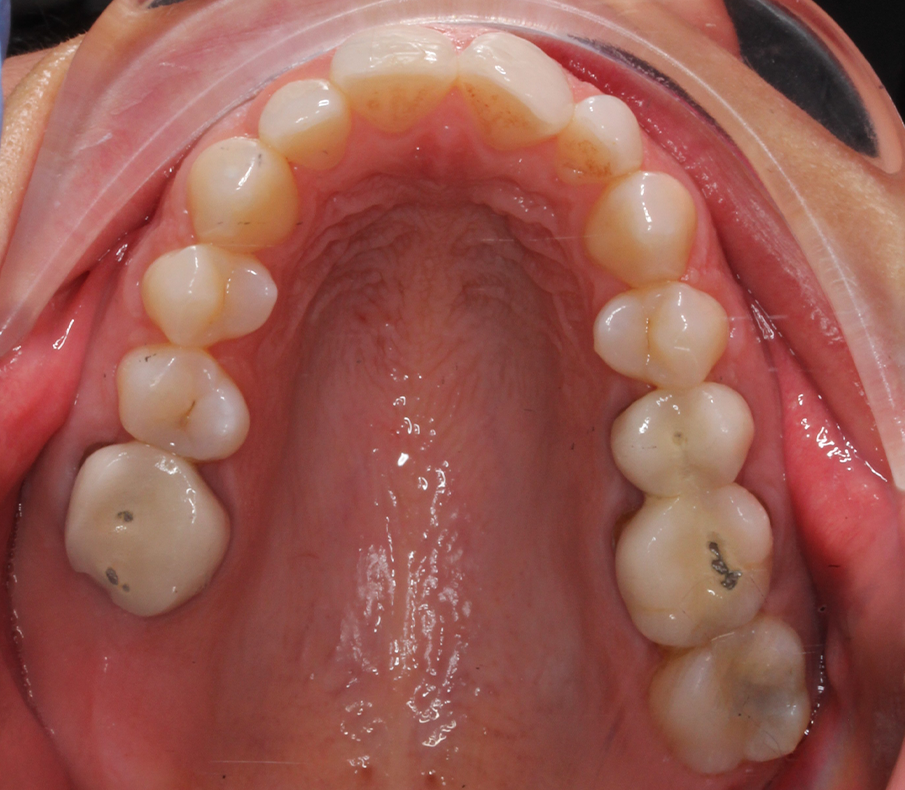
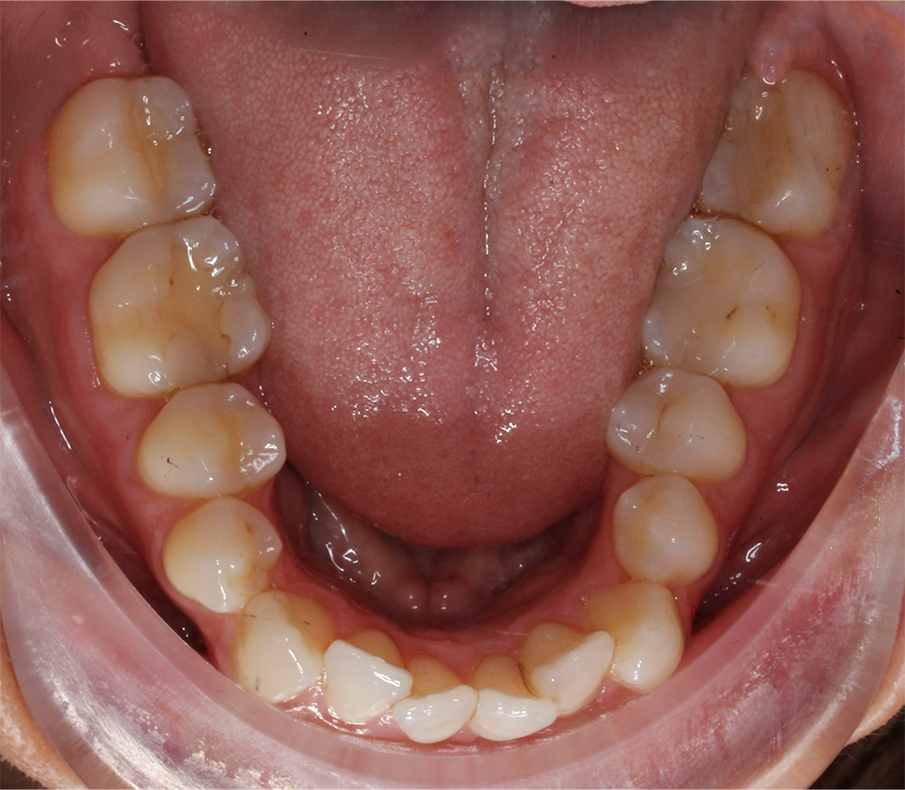
We present the clinical case of a 36-year-old female patient whose main concern was to improve function and esthetics. The patient had no relevant medical history.
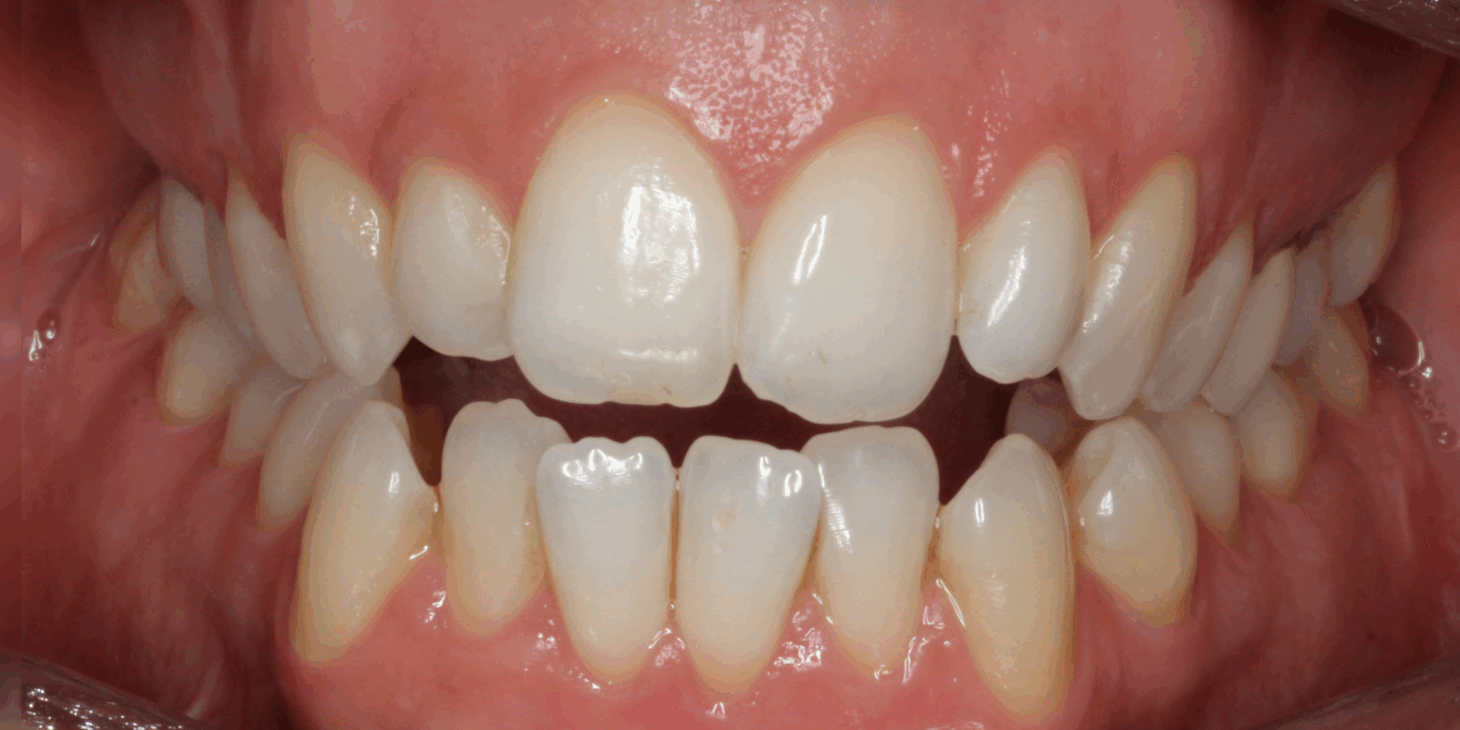
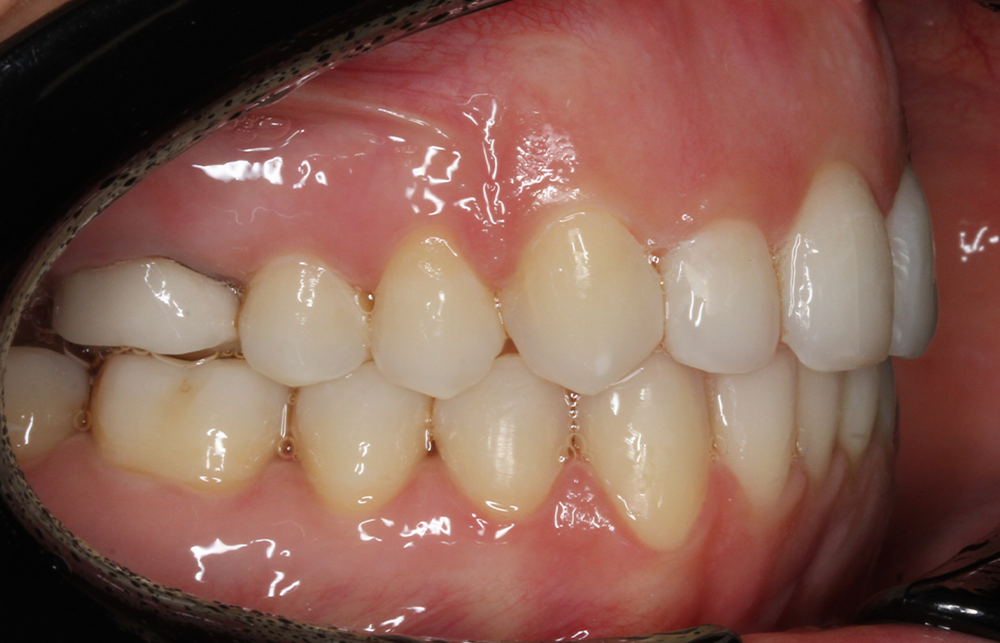
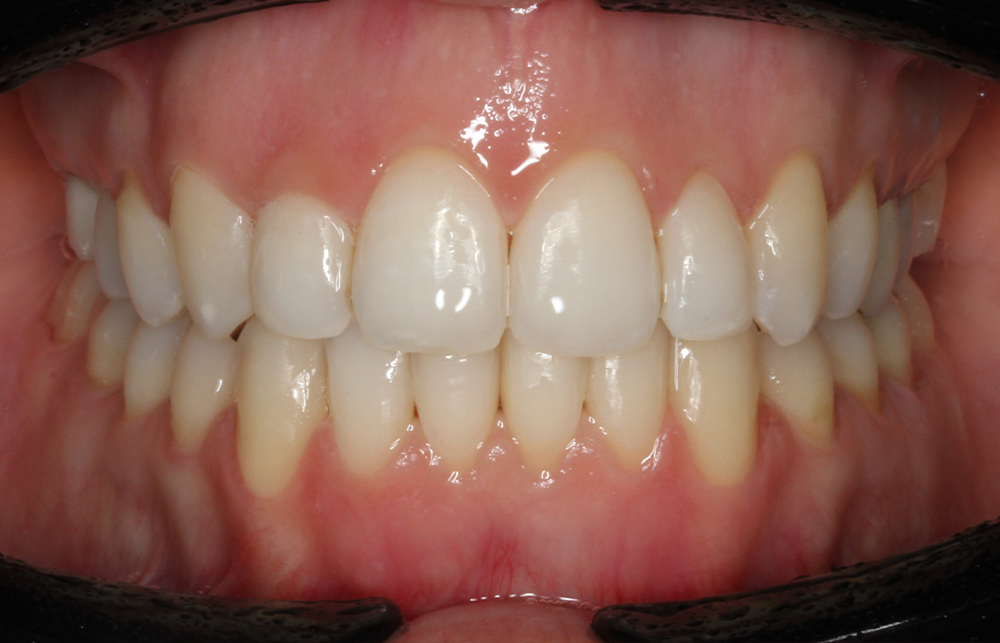
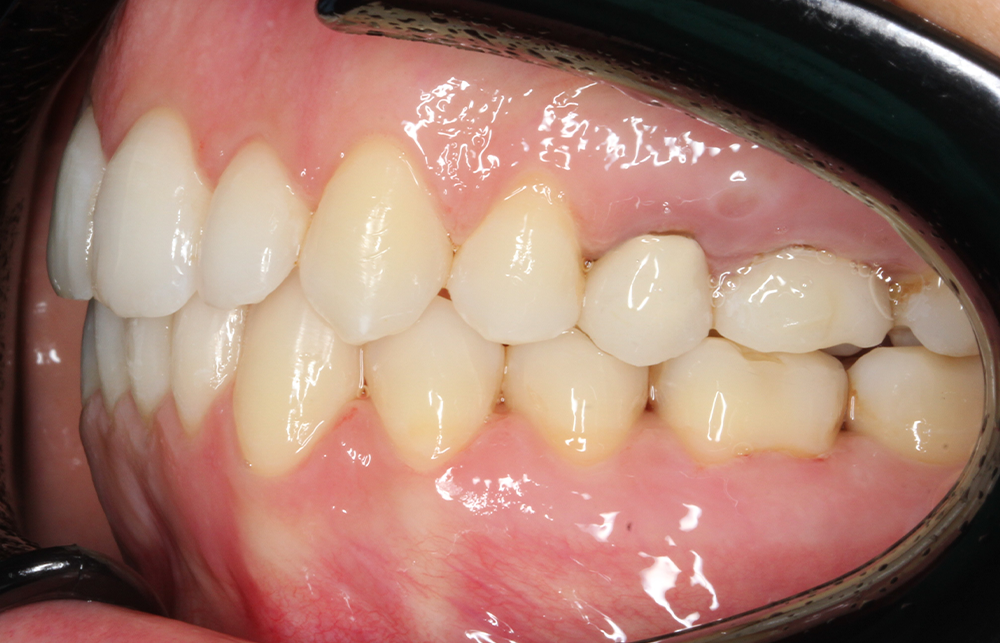
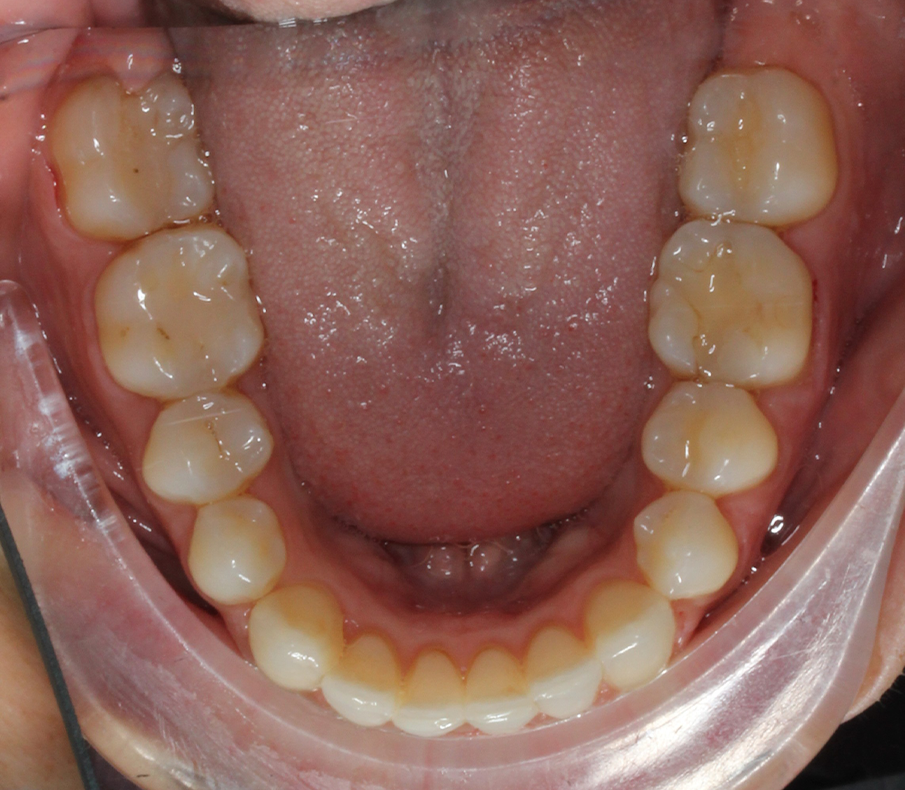
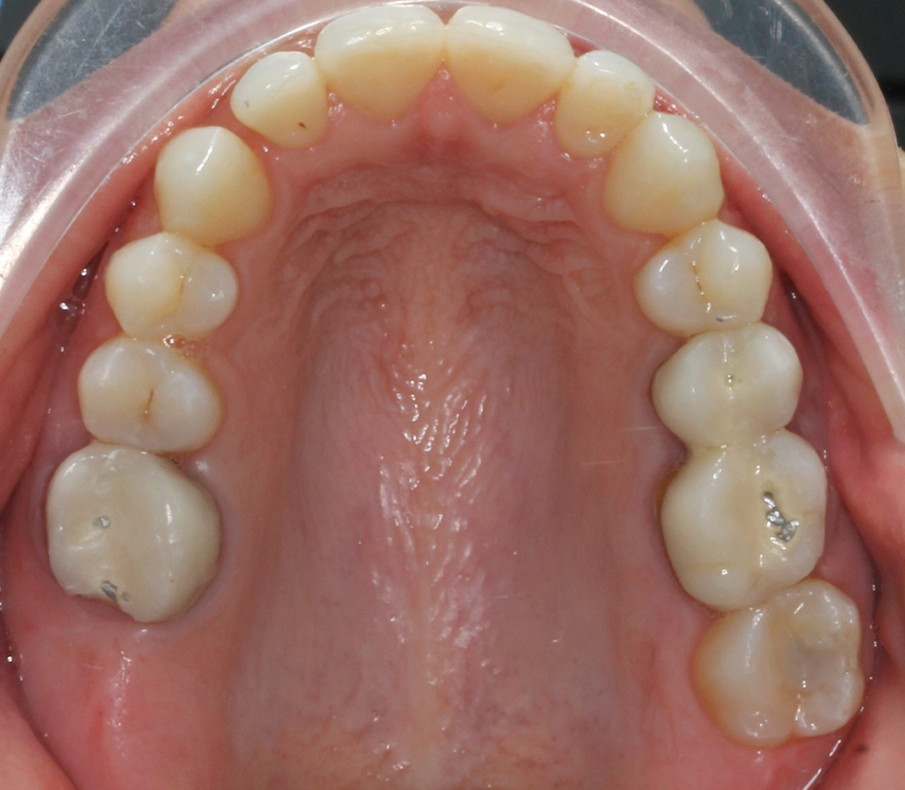
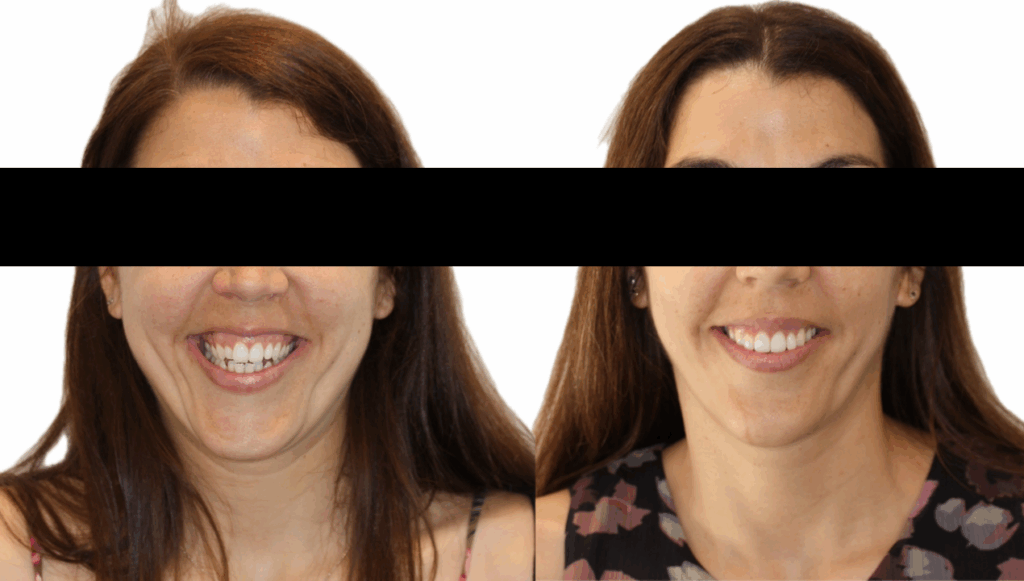
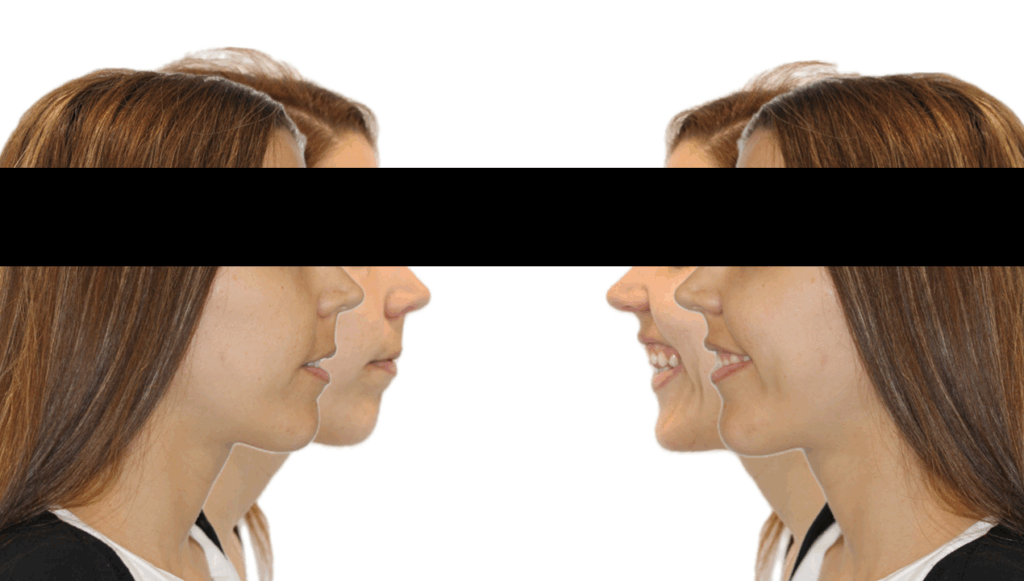
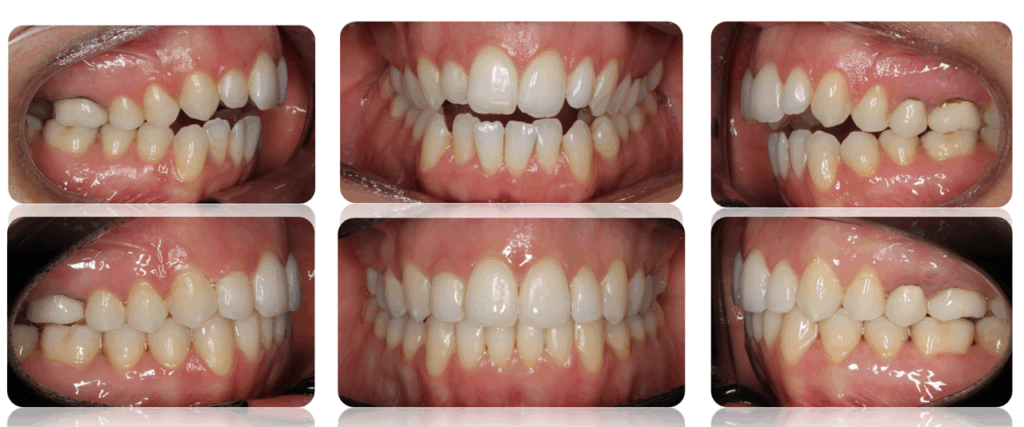
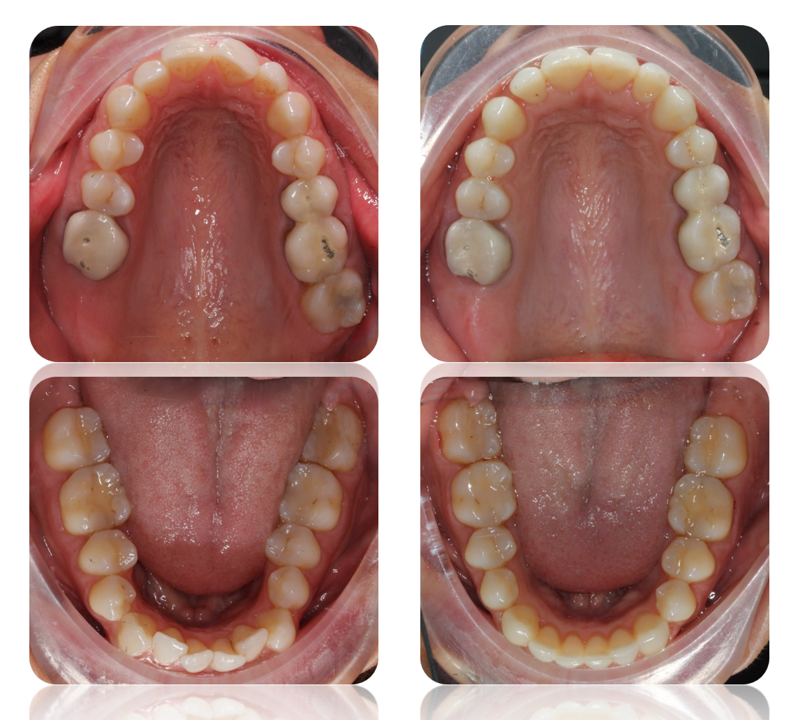
On extraoral examination, the patient presented with a dolichofacial pattern characterized by an increased lower facial third, a mandibular deviation to the right side, a gummy smile, and a convex Class II profile. Intraoral analysis revealed a Class II molar and canine relationship, complete on the right side and partial on the left, accompanied by an anterior open bite extending from premolar to premolar. The lower dental midline was deviated 4 mm to the right, and both arches exhibited bimaxillary constriction with negative posterior inclinations, more pronounced in the second and fourth quadrants as a result of compensatory adaptations to the mandibular deviation. Additionally, anterior crowding was observed, further complicating the occlusal relationships.
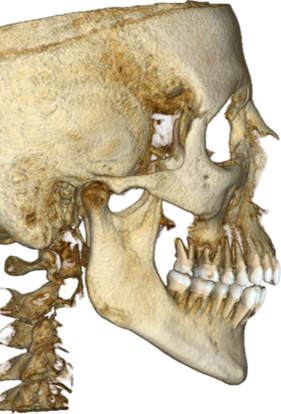
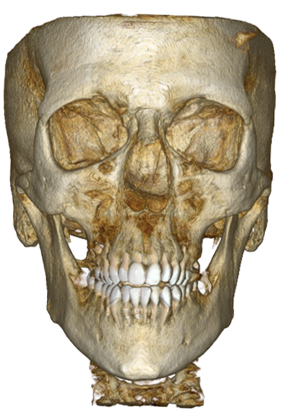
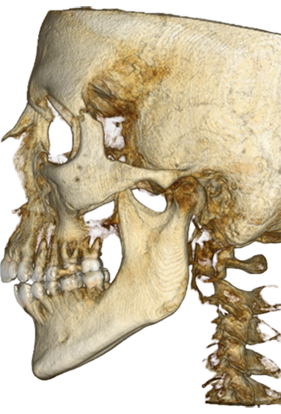
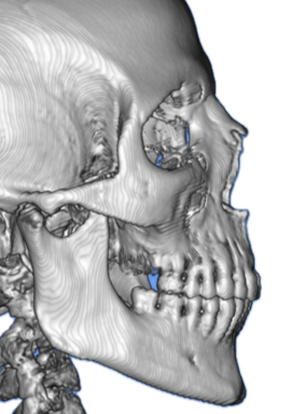
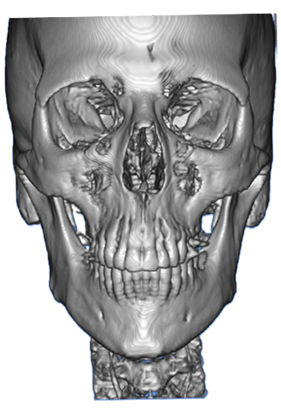
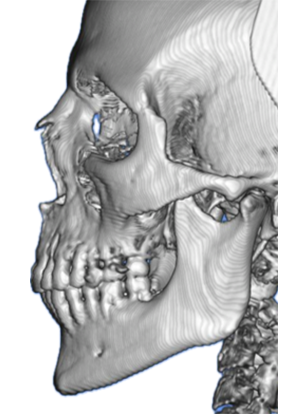
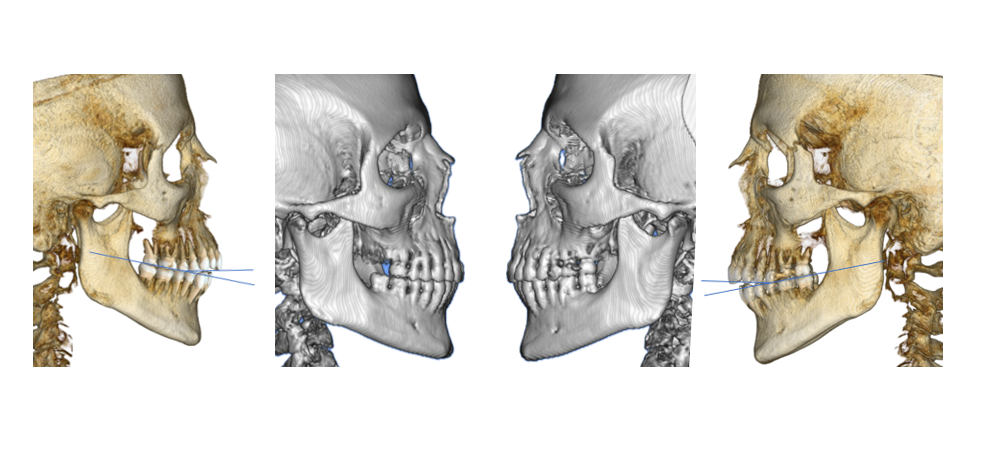
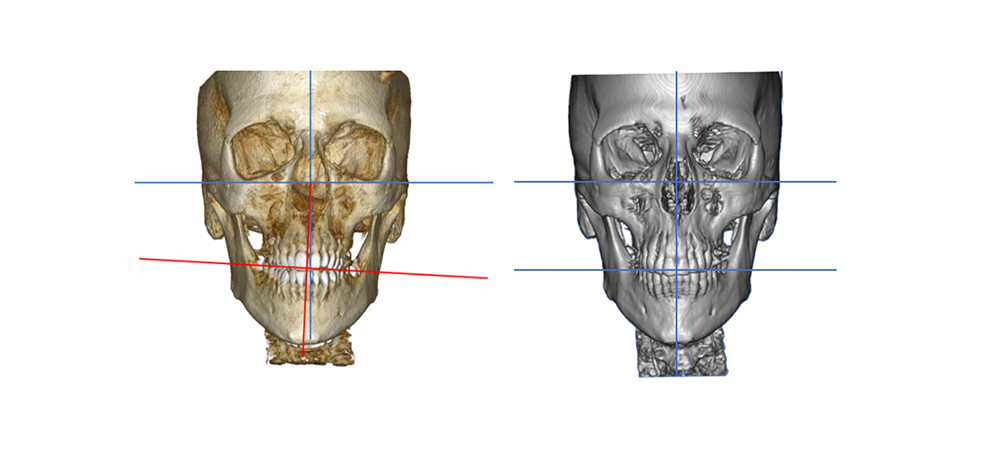
Radiographic and tomographic evaluation confirmed a dolichofacial growth pattern associated with a skeletal Class II malocclusion characterized by mandibular posterior rotation. The patient exhibited a skeletal open bite and a mandibular deviation to the right side, accompanied by maxillary canting with reduced vertical dimension on the right. Analysis further revealed hyper divergence of both upper and lower occlusal planes, the presence of a double upper occlusal plane, and a posterior inclination of the upper occlusal plane, all of which contributed to the complexity of the malocclusion.
The treatment objectives focused on both dental and skeletal corrections. Dentally, the plan aimed to expand both arches, correct compensatory negative posterior inclinations, partially distalize the first quadrant while maintaining a partial Class II relationship to facilitate mandibular anterior rotation, achieve posterior intrusion, slightly extrude the lower incisors, and level and align both arches. Skeletally, the objectives included correcting the anterior open bite by addressing the divergence of the upper and lower occlusal planes, eliminating maxillary canting, and promoting mandibular anterior rotation. Virtual planning involved derotation of tooth 1.6 followed by sequential distalization of one-third of the first quadrant, performed simultaneously with leveling of the upper incisors. The upper arch was expanded and the incisors retracted with overcorrection of radiculo-palatal torque in the anterior segment, while greater posterior intrusion was programmed in the second quadrant to correct canting.
The lower arch was expanded coronally, and the lower incisors were leveled with interproximal reduction (IPR) to resolve the Bolton discrepancy. A virtual jump was incorporated to achieve mandibular anterior rotation and midline centering. In terms of anchorage, in addition to intra-arch support, a temporary anchorage device (TAD) was placed on the distal occlusal surface of tooth 1.6 and connected with a power chain to enhance the predictability of distalization and intrusion in the first quadrant, allowing a faster sequence. Two additional TADs were placed in the second quadrant, one buccally between teeth 2.5 and 2.6, and another palatally between teeth 2.6 and 2.7, enabling the patient to use an elastic over the aligner to reinforce posterior intrusion. Finally, Class II elastics anchored to integrated hooks were prescribed to promote mandibular anterior rotation and midline correction.
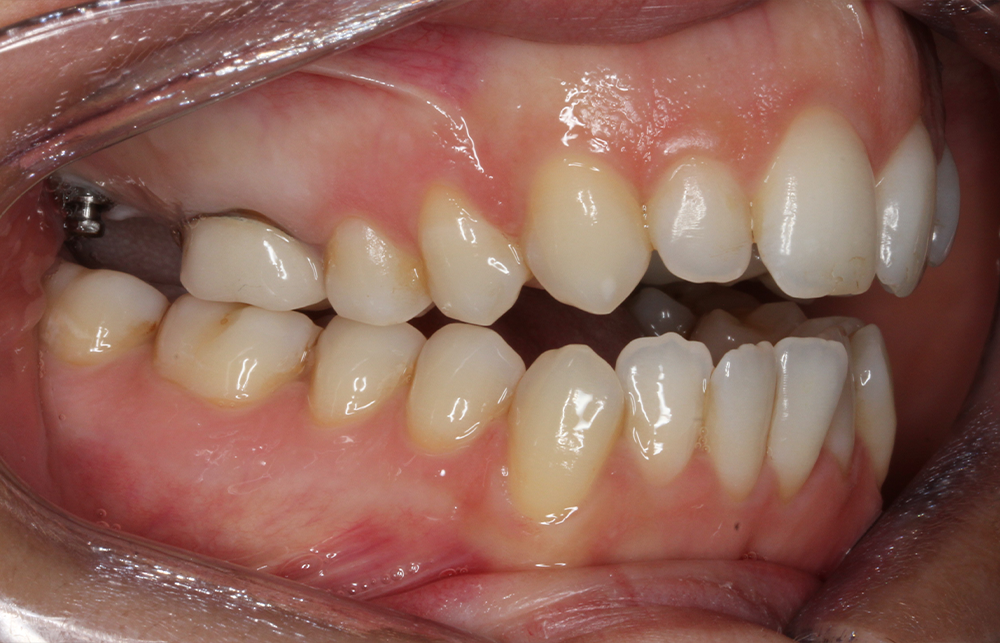
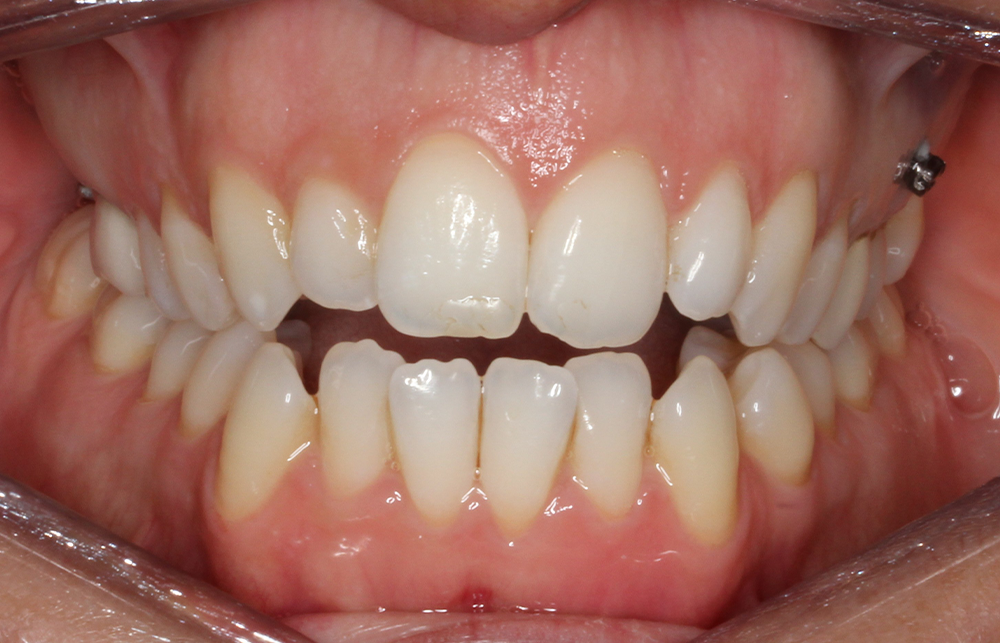
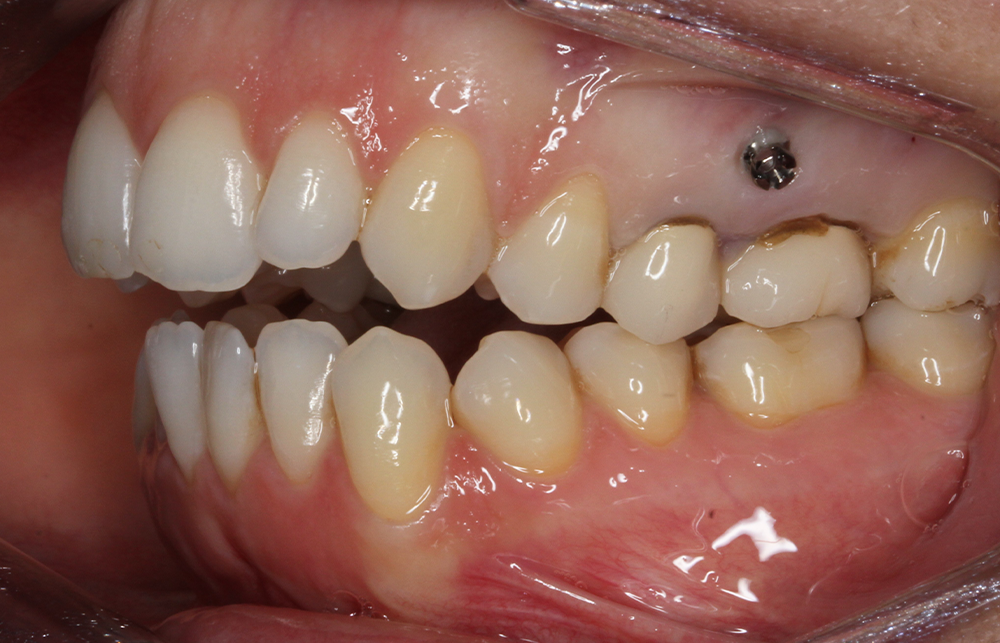
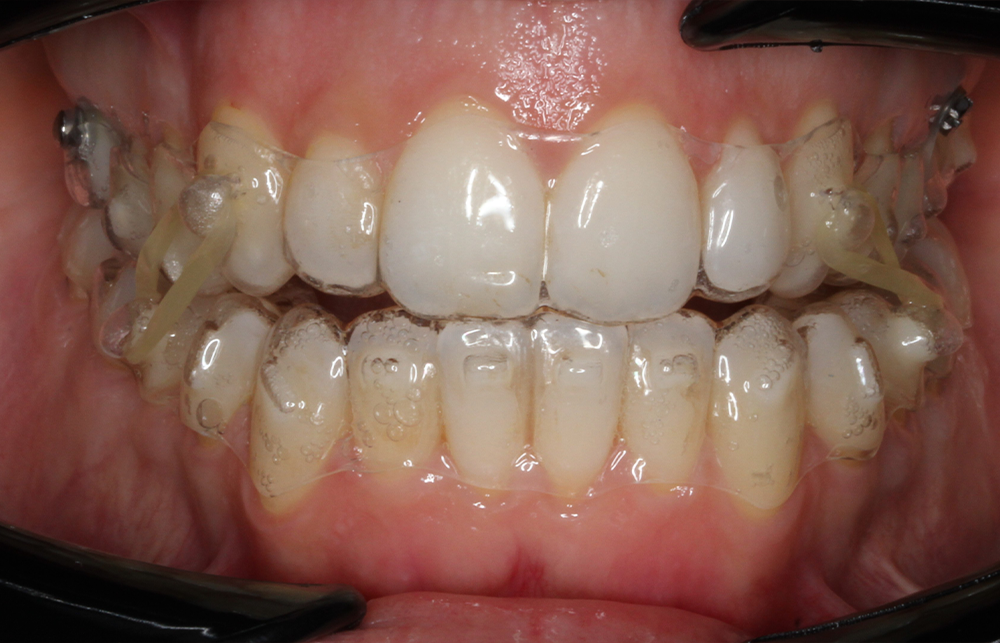
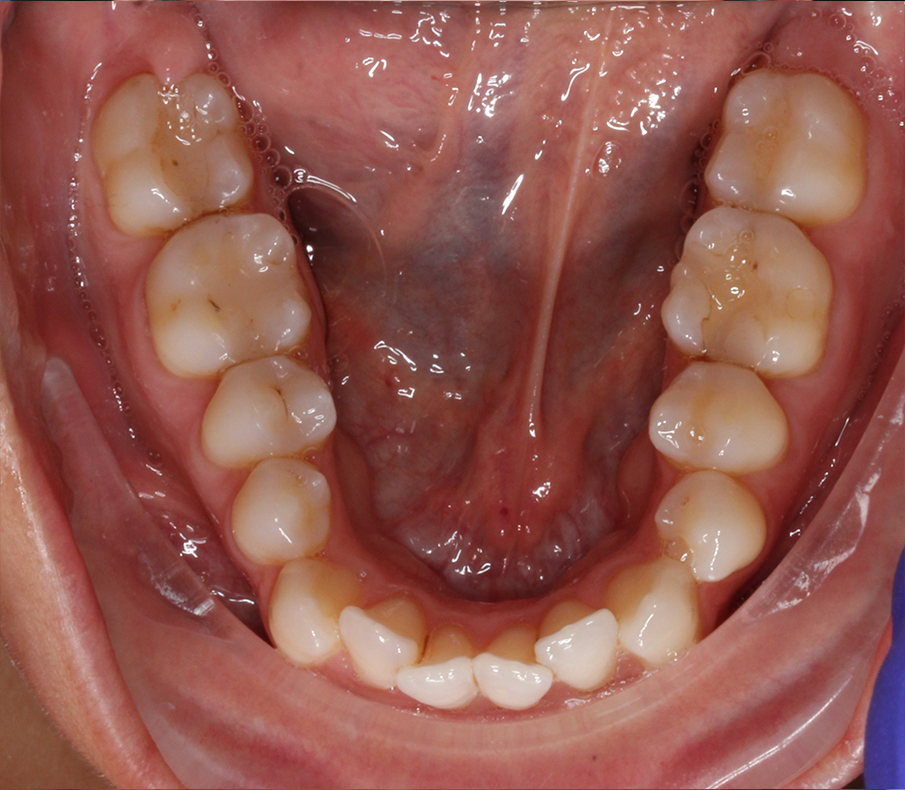
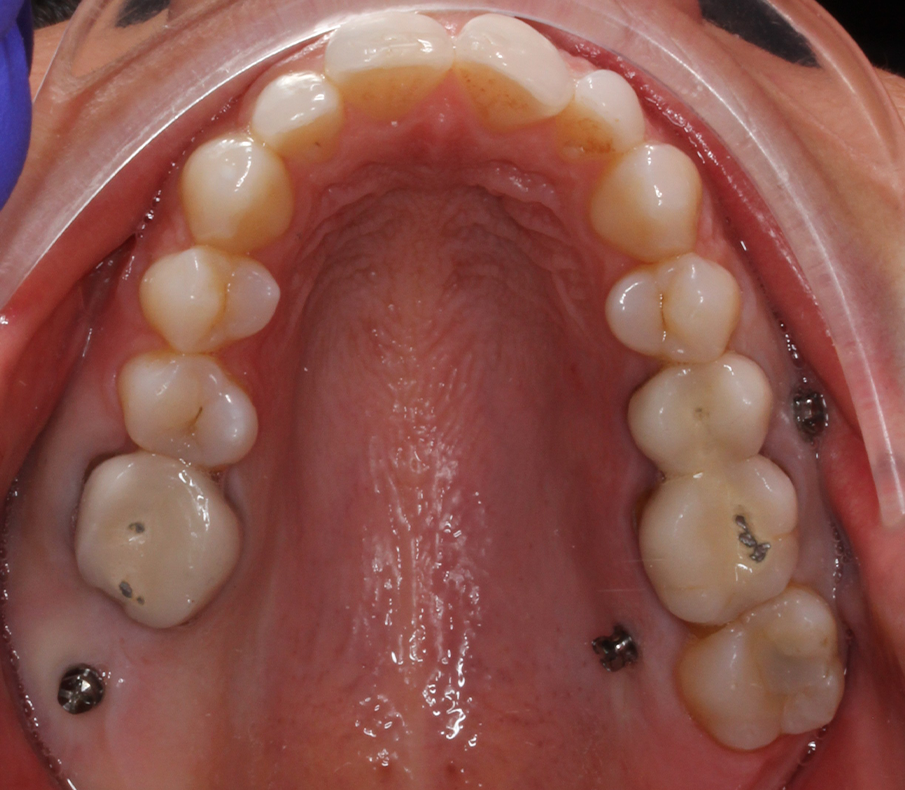
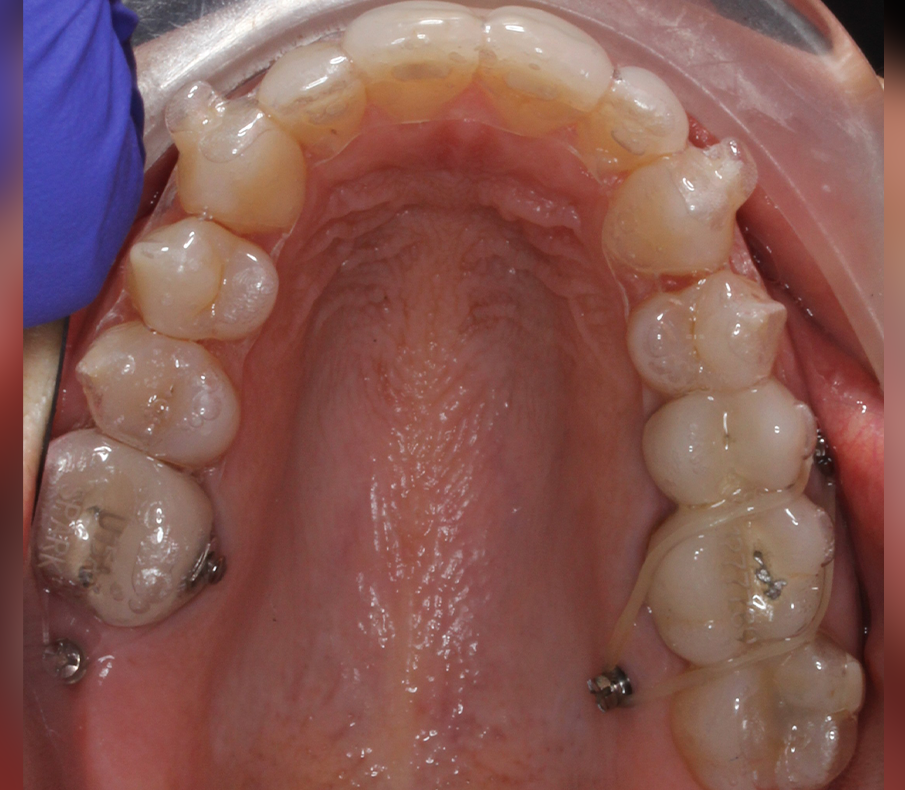
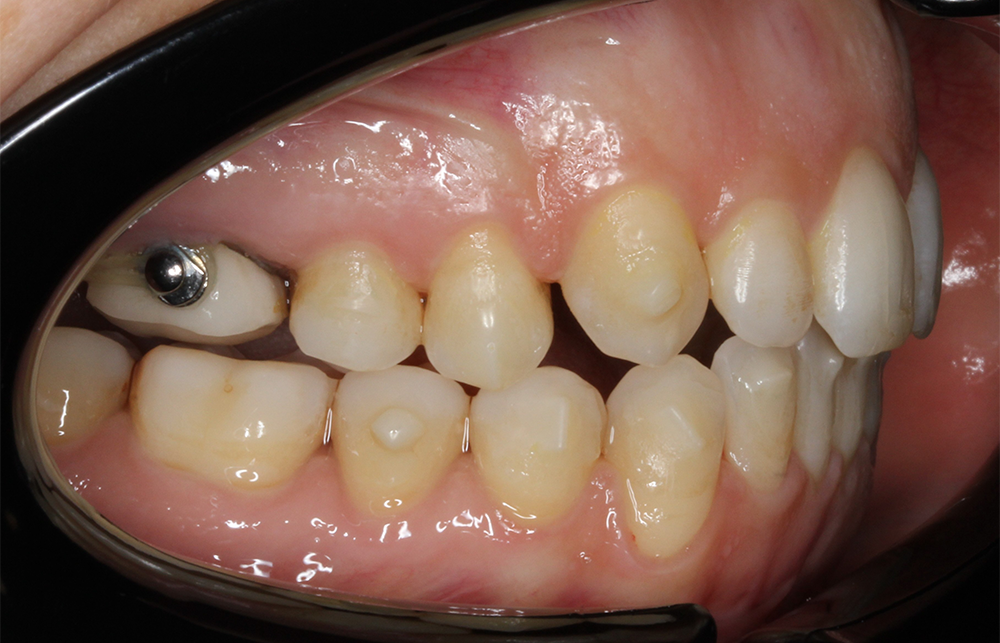
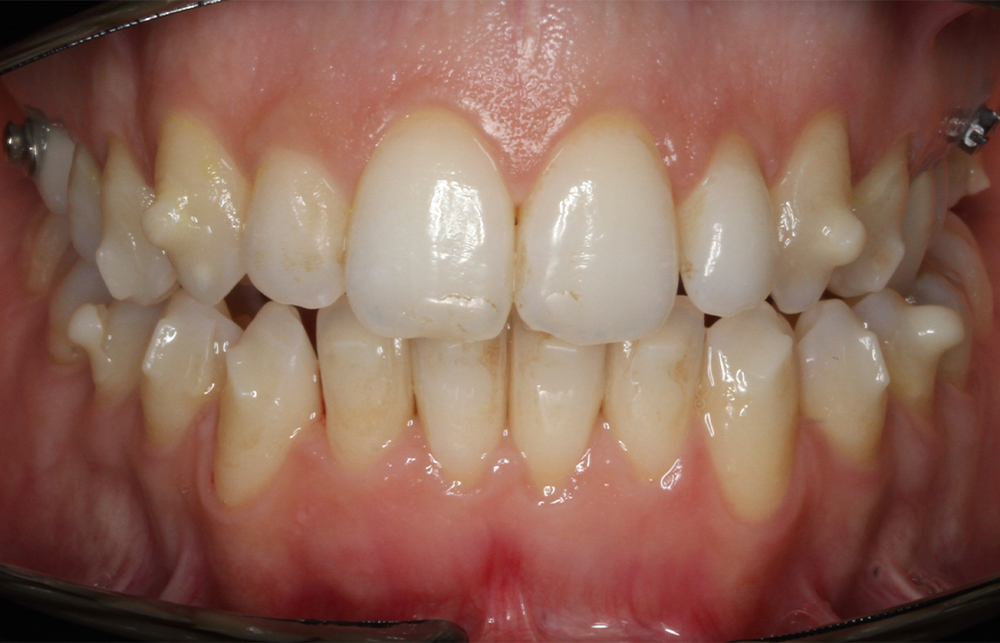
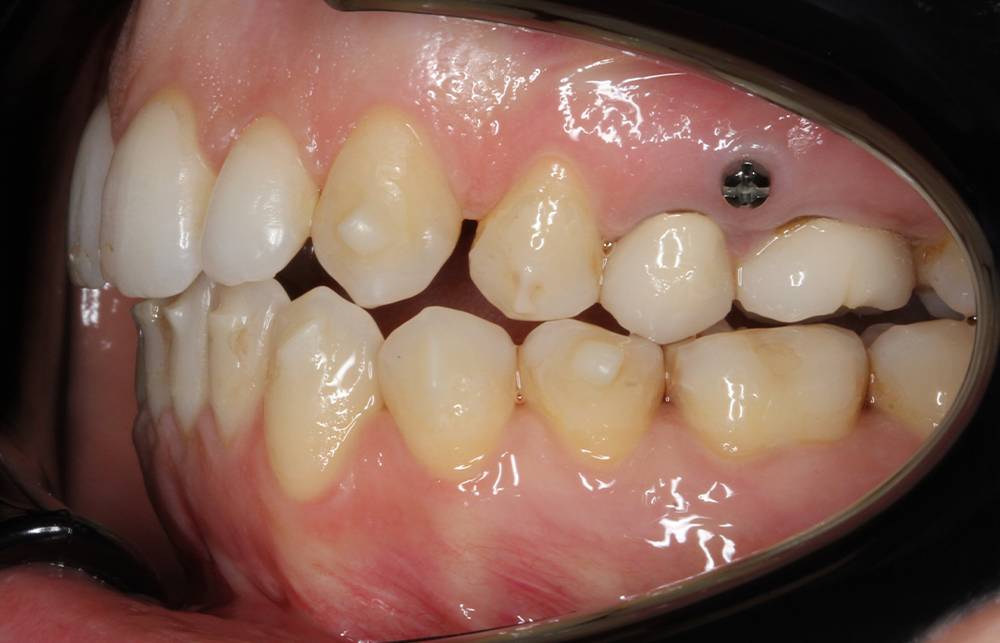
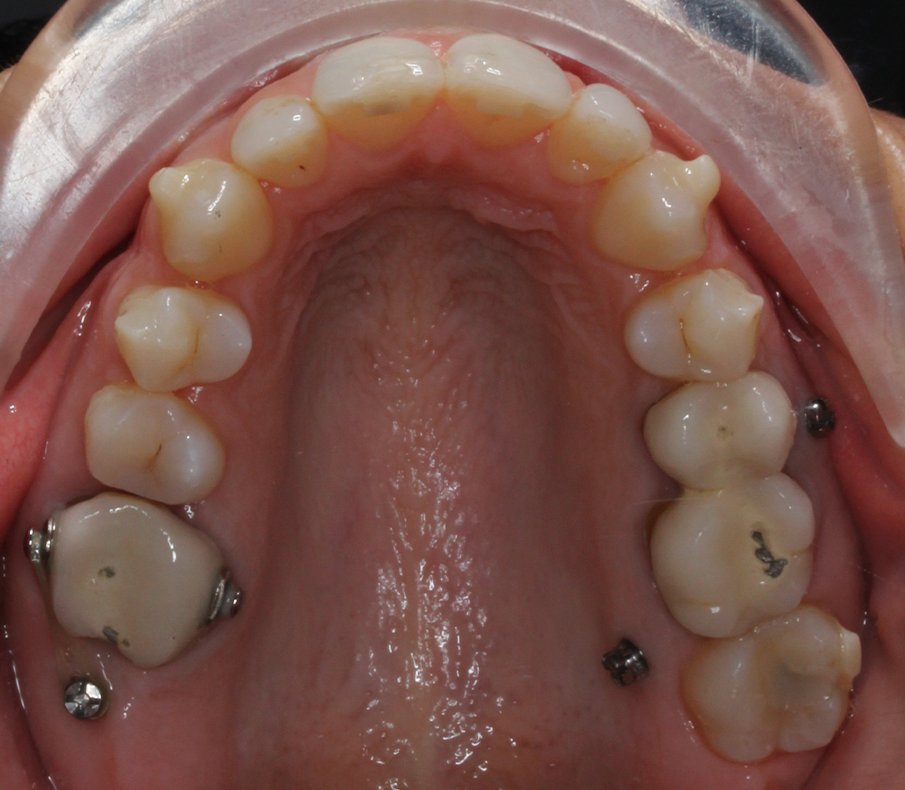
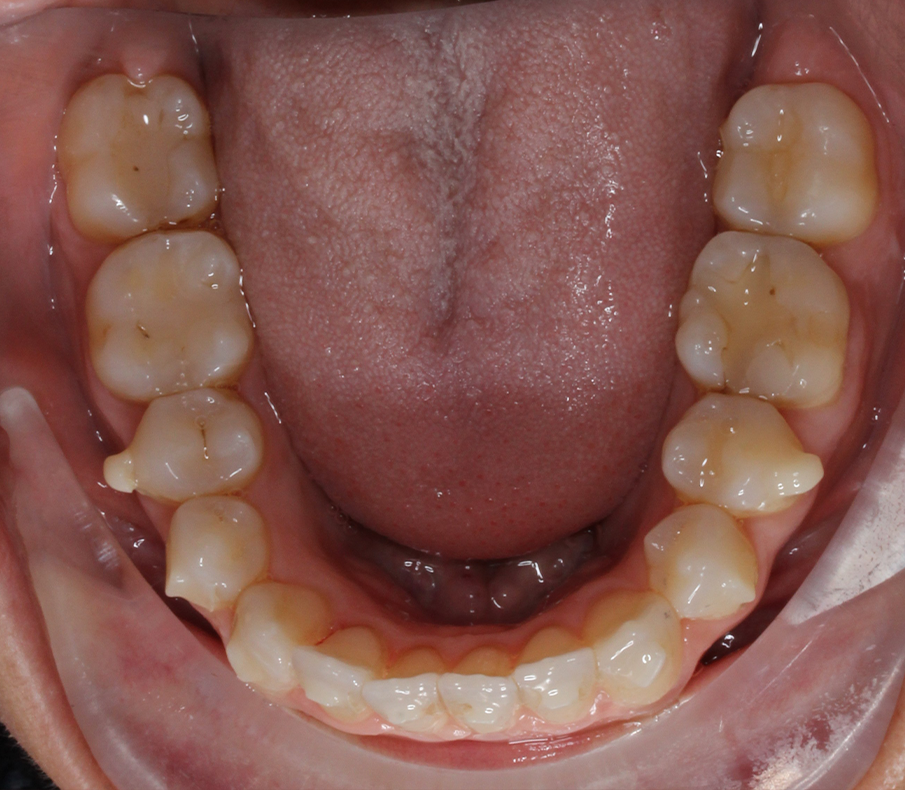
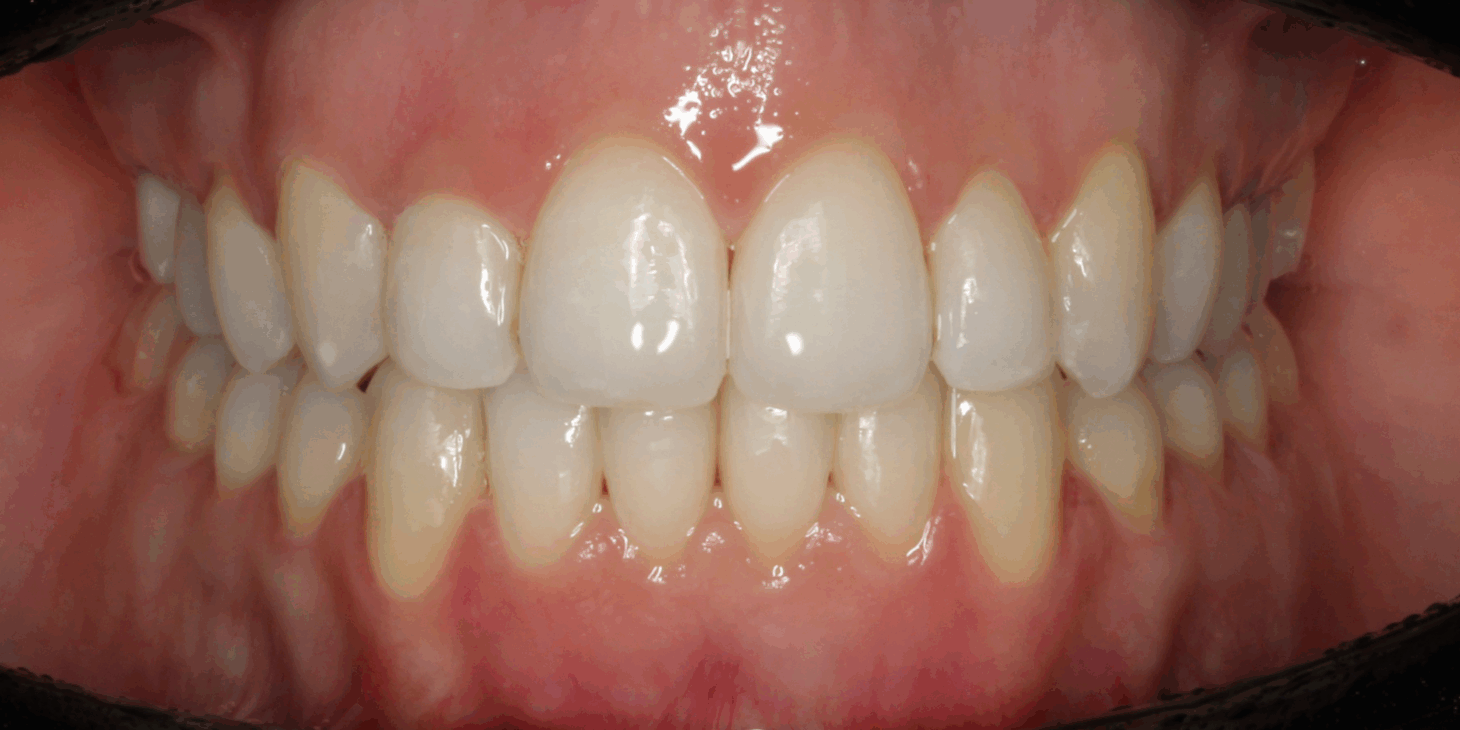
After 12 months of treatment with clear aligners and temporary anchorage devices, the patient achieved significant improvements both dentally and skeletally. The Class II molar and canine relationships were corrected through partial distalization of the first quadrant in combination with mandibular anterior rotation. Maxillary canting was resolved by targeted intrusion in the second quadrant, while the anterior open bite was closed through posterior intrusion, which facilitated mandibular repositioning. Both arches were successfully expanded and coordinated, with complete leveling and alignment obtained. These changes resulted not only in functional correction but also in a marked improvement in smile esthetics, facial profile, and overall facial harmony
Nighttime upper and lower Essix retainers.
Currently, the combination of clear aligners with rigorous digital planning, proper sequencing, and correct anchorage selection offers a highly effective alternative for the treatment of complex malocclusions. The incorporation of temporary anchorage devices optimizes control, reinforces anchorage, and minimizes undesirable movements, making it possible to successfully address situations that historically required more invasive approaches such as fixed multibracket appliances, extractions, or even orthognathic surgery.
With these resources, it is now possible to obtain effective, predictable, and long-term stable results in a more comfortable treatment framework for the patient, correcting malocclusions traditionally considered difficult to manage, such as canting, open bite, or skeletal Class II.
MKT -25-1782
* Dr. Montse Puigpinós is a paid consultant for Ormco. The opinions expressed are those of Dr. Montse Puigpinós. Ormco is a medical device manufacturer and does not dispense medical advice. Clinicians should use their own professional judgment intreating their patients.
